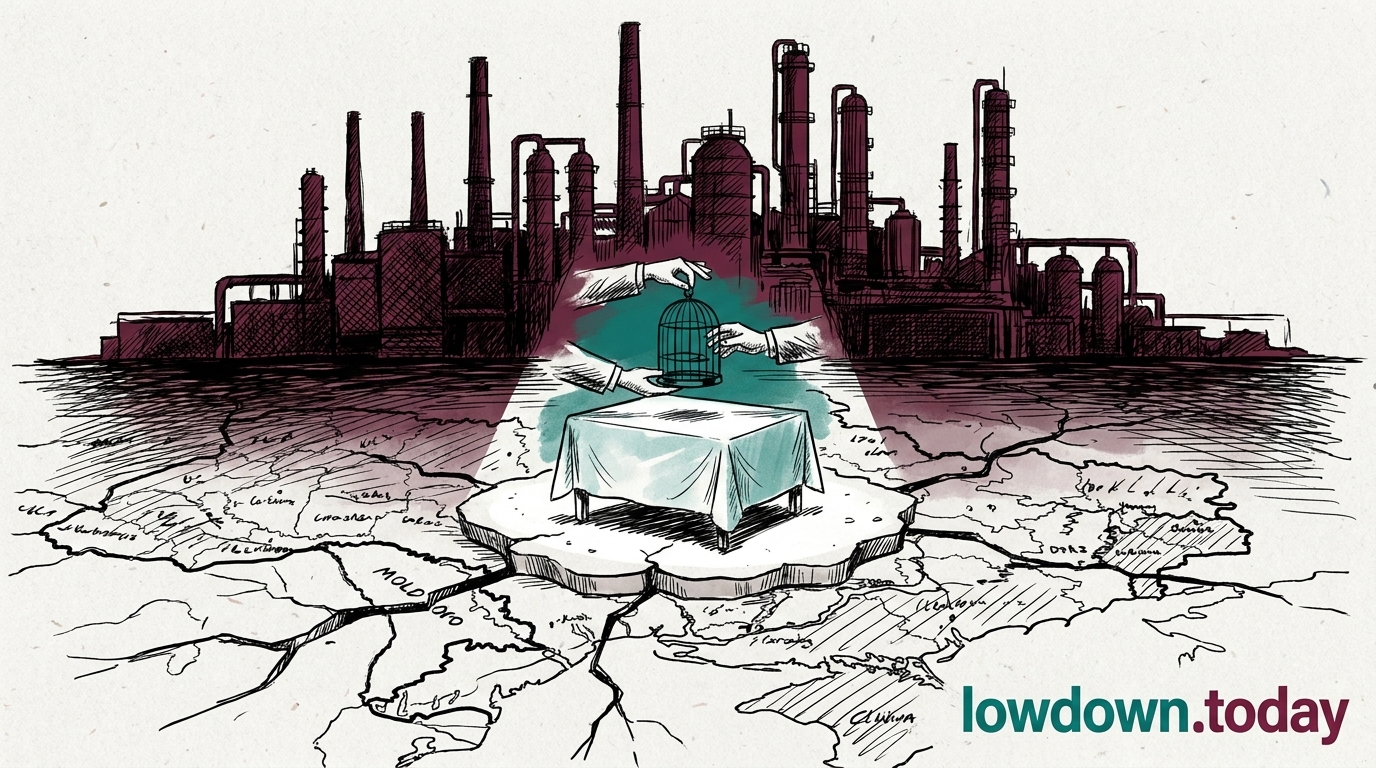
The Office of Foreign Assets Control (OFAC), the US Treasury sanctions arm that controls Russia-related authorisations, issued General License 134C on Monday 18 May 2026, two days after General License 134B expired at the close of Saturday 16 May. The new licence authorises delivery, offloading and ancillary services for Russian crude loaded on or before 17 April, through 17 June 20261. Treasury Secretary Scott Bessent framed the extension as helping 'the most vulnerable nations' access stranded cargoes.
The 48-hour gap between GL 134B's expiry and GL 134C's issuance is the second consecutive enforcement cliff Treasury has run and then patched. GL 134A through GL 134C now form a pattern of monthly bridges rather than termination: Treasury manages the waiver in 30-day windows it can withhold, while the wider sanctions architecture, including the Rosneft and Lukoil Specially Designated Nationals (SDN) redesignations Bessent confirmed on 16 April, remains in place.
The Cienfuegos refinery in Cuba, which had been receiving Russian crude under GL 134B sanctions cover, loses its US licence on 17 June. The new text cuts Cuba from coverage alongside Iran, North Korea and occupied Ukrainian territories. Cuba's grid recovery had been built on that Russian supply line; the island's roughly 337 MW relief contribution from Cienfuegos throughput is now on a clock with no obvious replacement.
The Cuba carve-out matters because it reveals what the GL 134 series actually is. A pure market-stability instrument would treat all third-country buyers identically; a foreign-policy lever picks winners and losers. Bessent has just used the same authorisation to keep Indian and Chinese refiners covered for another month while pulling cover from a single politically isolated buyer. The enforcement mechanism for in-transit Sovcomflot cargoes already loaded under GL 134B is not detailed in the published licence, which leaves the Cienfuegos restart pathway dependent on Treasury clarification that has not yet arrived.




