Skip to content
Iran Conflict 2026
20APR

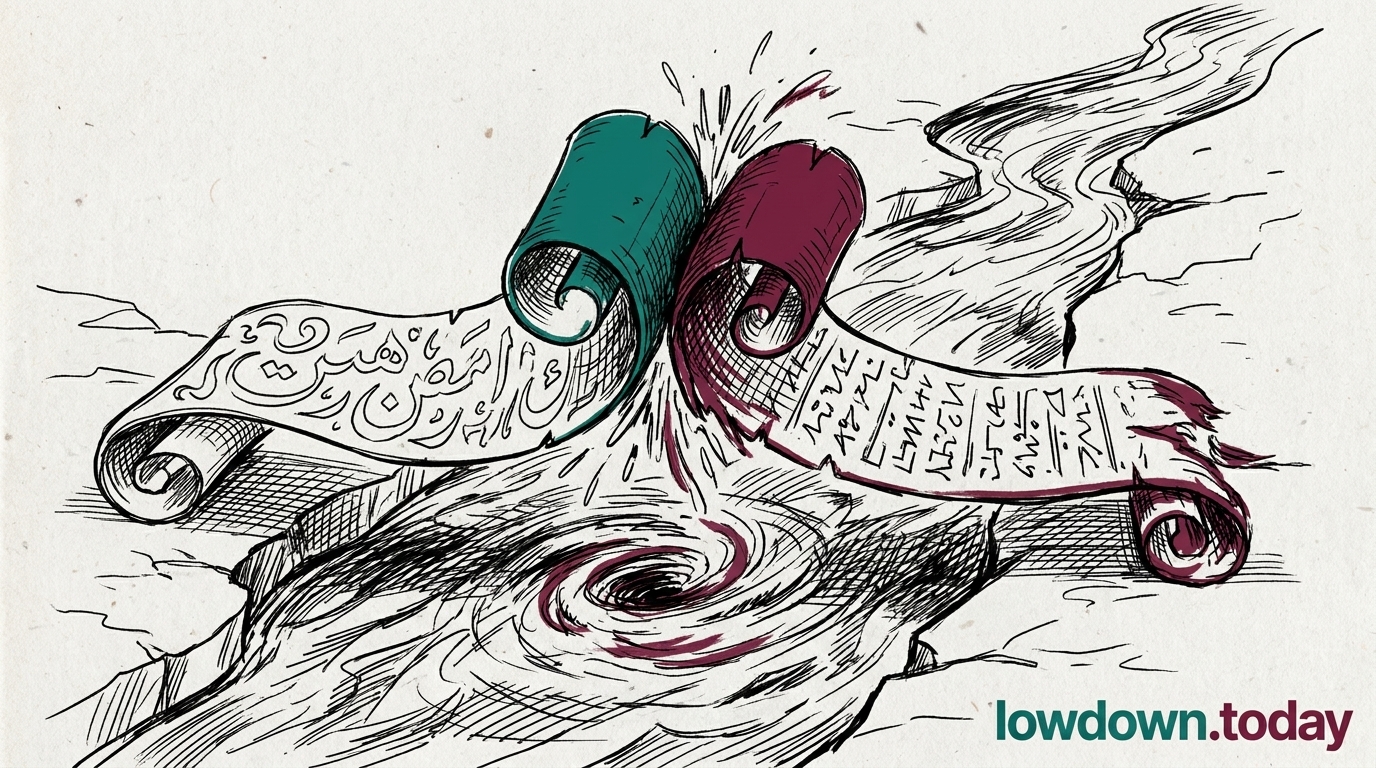
Iran publishes mine charts converting Hormuz reopening into IRGC corridor

2 min read
10:10UTC
ConflictDeveloping
Key takeaway

Hormuz reopening produced 4 ships and mine charts, not free passage

Donald Trump promised a 'COMPLETE, IMMEDIATE, and SAFE OPENING' of the Strait of Hormuz. On ceasefire Day 1, Kpler counted four bulk carriers transiting the strait. Zero crude tankers. Zero LNG carriers. More than 800 vessels remain stuck in the Persian Gulf 1.

The pre-war baseline was 135 transits per day. Iran's toll system, legislated in late March , had lifted traffic to 20 per day across 11 flag states by 5 April . The ceasefire cut that to four. Fewer ships crossed on Day 1 than on any day of the blockade.

ISNA and Tasnim, both linked to the IRGC, published maritime charts on 9 April showing a 'danger zone' over the main Traffic Separation Scheme lanes, dated from 28 February to 9 April 2. The charts direct all vessels to corridors near Larak Island under IRGC naval control 3. The implication: the main shipping lanes are mined. The mines, real or implied, force all traffic through Iran-controlled corridors.

Trump's two-week pause promised SAFE passage. The IRGC's charts promise the opposite: passage is SAFE only where Iran says it is.

Deep Analysis

In plain English

Trump said the strait was reopening. On Day 1, four cargo ships got through, zero oil tankers. Iran published charts showing the main shipping lanes are too dangerous and ships must use routes Iran controls. Eight hundred ships are stuck waiting. The reopening gives Iran more control, not less.

Deep Analysis
Root Causes

Iran's toll legislation in late March codified the blockade before any ceasefire. The mine charts are the physical enforcement layer of a legal framework already in place.

First Reported In

Update #63 · Ceasefire redistributes the war, not ends it

ISNA / Tasnim· 9 Apr 2026
Read original
Different Perspectives
Global South governments (Indonesia, Brazil, South Africa)
Neutrality was possible when the targets were military. 148 dead schoolgirls made it impossible — no government can explain that away to its own citizens.
Trump administration
Oscillating between claiming diplomatic progress and threatening escalation, while deploying additional ground forces to the Gulf.
Israeli security establishment
Fears a rapid, vague US-Iran agreement that freezes military operations before the IDF achieves what it considers full strategic objectives. A senior military official assessed the campaign is 'halfway there' and needs several more weeks.
Iraqi government
Iraqi government
Iraq's force majeure is the position of a non-belligerent whose entire petroleum economy has been paralysed by a war between others — storage full, exports blocked, production being cut with no timeline for resumption.
Russia — Ambassador Vassily Nebenzia
Moscow calibrated its position between Gulf states and Iran: abstaining on Resolution 2817 rather than vetoing it, signalling it would not block protection for Gulf states, while refusing to endorse a text that ignores the US-Israeli campaign it regards as the conflict's proximate cause. Russia proposed its own ceasefire text — which failed 4-2-9 — allowing Moscow to claim the peacemaker role while providing Iran with satellite targeting intelligence, a duality consistent with its approach in Syria.
France — President Macron
France absorbed its first combat death in a conflict it has publicly declined to join. The killing of Chief Warrant Officer Frion in Erbil forces Macron to choose between escalating involvement and accepting casualties from the margins.
