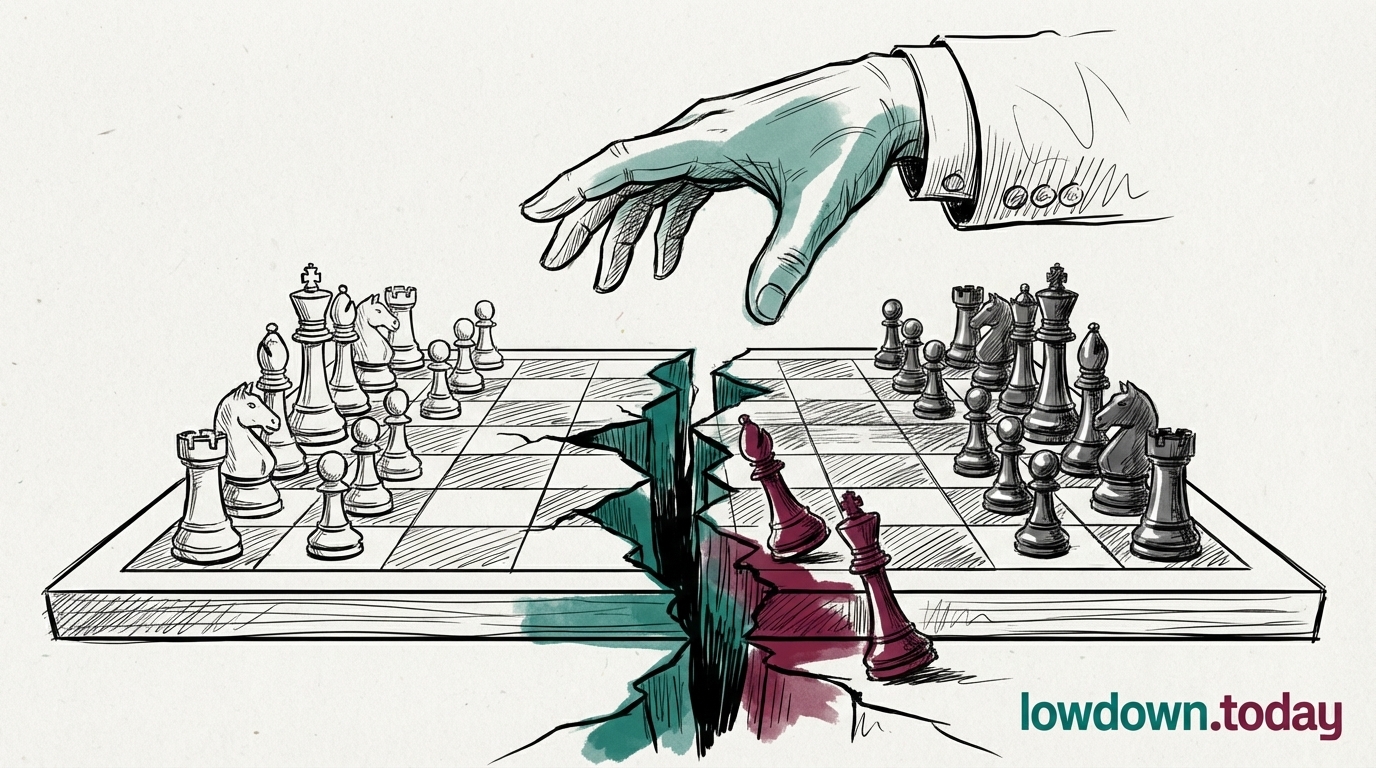
The UN Security Council voted 11 to 2 for a resolution calling for Hormuz reopening. Russia and China vetoed it. Russia's alignment with Iran was expected and follows its consistent pattern of shielding Tehran from multilateral pressure. China's veto is more consequential: its active protection of a toll regime that advantages its own shipping at the expense of Japanese, South Korean, and European competitors reveals a strategic calculation. The Hormuz disruption functions as an economic weapon against China's rivals, and Beijing has now voted to preserve it.
The veto forecloses the UNSC route for any future enforcement action. Hormuz reopening now depends entirely on bilateral US-Iran negotiation or unilateral US military action, both of which carry costs The Administration has so far declined to pay. The IRGC mine chart corridor system operates without any multilateral challenge mechanism.
China's toll-paying tankers already transit while Japanese and South Korean ships wait. The competitive tilt is not incidental; it restructures East Asian energy access under a framework China has formally voted to protect. For the 325 tankers stranded inside the Persian Gulf, the multilateral route to freedom of navigation is now closed.


