Skip to content
You can now search across every topic, entity and event.What's new
Iran Conflict 2026
13SEP

Houthis widen their strikes to Yanbu

2 min read
13:27UTC

Aramco-linked sites on Saudi Arabia's Red Sea coast were struck on 25 July, after Reuters recorded IRGC personnel and equipment flying into Yemen on 13 July.

ConflictDeveloping
Key takeaway

Iranian personnel in Yemen give Tehran a hand in a Saudi escalation it cannot fully control.

Houthi forces struck Aramco-linked sites at Yanbu and Jazan on 25 July, widening a target set that had reached only Jazan's industrial city the previous day 1. CNN's geolocated video showed large fires in the Jazan industrial district; Saudi Arabia issued security alerts for both cities without confirming the strikes 2.

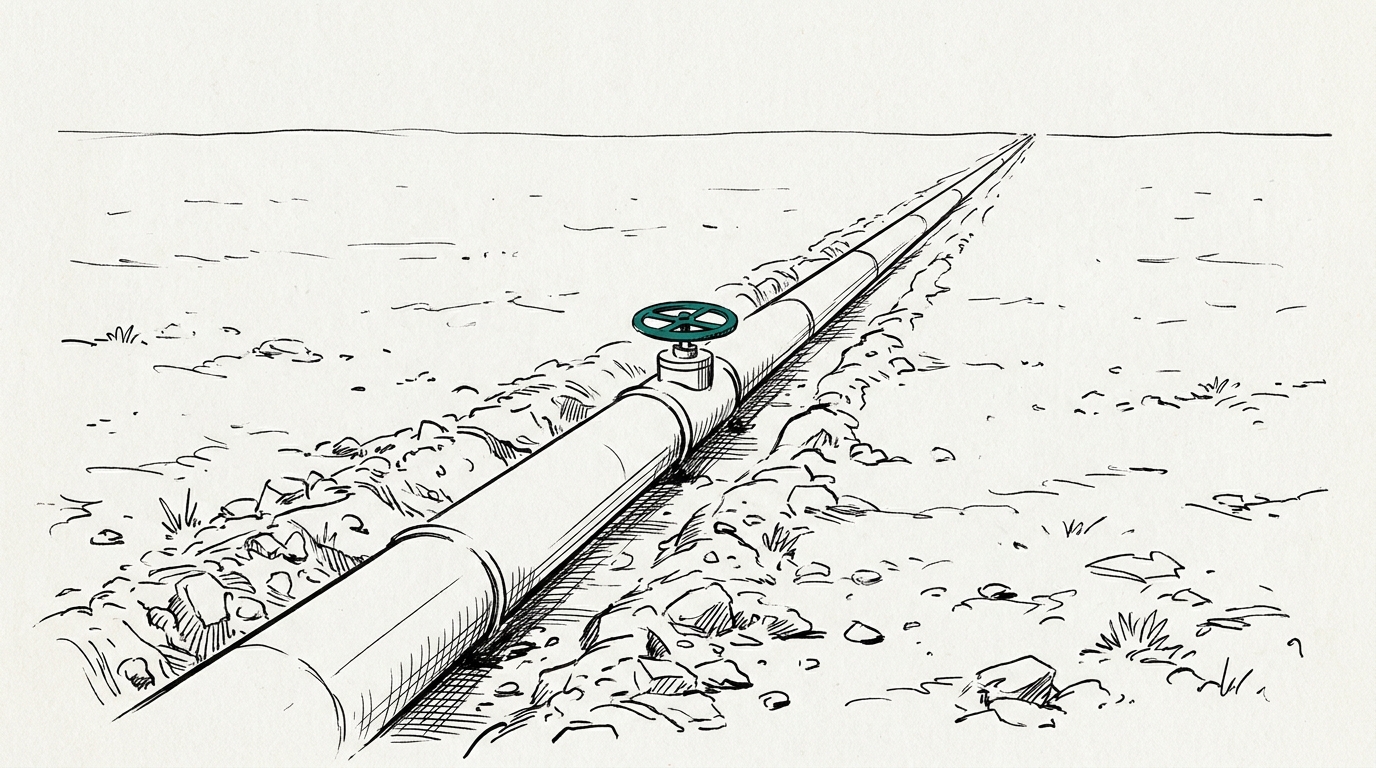
Yanbu sits on the Red Sea north of Jeddah and handles crude arriving by pipeline from the Eastern Province, the route Saudi exports take when the Gulf is unsafe. Striking it reaches the workaround rather than the chokepoint, and it puts a Houthi weapon on the far side of The Kingdom from Yemen. The analyst Mohammed Basha said the strikes end a "recent restraint in targeting strategic infrastructure inside Saudi Arabia" 3.

Between 10 and 21 Islamic Revolutionary Guard Corps personnel, including senior commanders, flew from Tehran into Yemen on 13 July along with missile and drone-related equipment, Reuters reported citing four sources 4. A Houthi media official who said he was aboard the flight denied any military experts were on it. Secretary of State Marco Rubio said the Houthis had been "snookered" by Iran into joining the war 5.

Tehran has treated the Houthis as a deniable instrument since the group took Sanaa in 2015, supplying matériel from a distance. Personnel physically embedded with Houthi forces narrows that deniability, and it cuts both ways: Washington and Riyadh acquire a sourced Iranian hand to point at, while Iran acquires a front it can neither disown convincingly nor call off on demand. The sequence already ran once this week, from the strike on the Saudi tanker NCC Masa to Saudi air strikes near Hodeidah . If Aramco damage is confirmed at Yanbu, the pressure on Riyadh to answer at a scale beyond Hodeidah becomes the war's next moving part.


Deep Analysis

In plain English

The Houthis, a Yemen-based armed group aligned with Iran, widened the list of places they attack on 25 July, hitting oil-industry sites at Jazan and Yanbu inside Saudi Arabia. Reuters reports Iran flew somewhere between 10 and 21 military personnel and equipment into Yemen on 13 July, shortly before this escalation, suggesting Iranian involvement even though Iran does not directly control the Houthis. US Secretary of State Marco Rubio said the Houthis had been "snookered", tricked, into joining a war on Iran's behalf.

Deep Analysis
Root Causes

Iran's use of the Houthis as a deniable front rests on a structural feature of the relationship: Tehran supplies personnel, equipment and targeting expertise without exercising direct operational command, letting it escalate pressure on Saudi Arabia while retaining plausible deniability if the strikes draw a direct US or Saudi response.

Secretary of State Marco Rubio's characterisation of the Houthis as "snookered" inverts that logic, casting them as the party losing agency rather than Iran's instrument, which matters for whether any retaliation lands on Tehran or on Sanaa.

What could happen next?
  • Consequence

    A documented Iranian personnel presence in Yemen gives Washington grounds to attribute Houthi escalation to Tehran when deciding on any response.

  • Risk

    Targeting Aramco-linked infrastructure directly, rather than shipping, raises the stakes for Saudi Arabia's own restraint, which had held since March.

First Reported In

Update #162 · Munitions, not Iran, halted US bombing

CNN· 26 Jul 2026
Read original
Different Perspectives
United States
United States
OFAC gazetted two wind-down licences expiring four days apart and adopted a presumption of denial for new Iran sanctions requests, while the State Department separately sanctioned Kataib Hezbollah and Hezbollah financial networks. Washington is closing legal channels on a published calendar rather than all at once.
United Arab Emirates
Crown Prince Sheikh Khaled bin Mohamed bin Zayed Al Nahyan met Iran's president in New Delhi, the first known face-to-face since the war began, weeks after cutting all Emirati trade and financial dealings with Iran. Abu Dhabi is running economic pressure and diplomatic contact at the same time.
Houthis
Houthis
Houthi forces completed the capture of Yemen's Red Sea coast and Mayun island this week, an offensive a Houthi official confirmed alongside Yemeni government officers. The gain locks in the Bab al-Mandeb closure to Saudi crude declared as an embargo on 23 July.
Iran
Iran
Foreign Ministry spokesman Esmail Baghaei credited Iranian diplomacy backed by military strength for pushing neighbours to negotiate, citing the Oman safe-passage talks, while addressing none of the pipeline strike, the Iraqi dismissals or Saudi restraint directly.
Iraq
Iraq
Prime Minister Ali al-Zaidi sacked two Maysan officials, closed and reopened three Iran border crossings inside three days, and approved a joint inquiry with Tehran into the launch site on his own territory. He is managing a militia network he does not fully control rather than confronting it.
Saudi Arabia
Saudi Arabia
Riyadh's Foreign Ministry confirmed the Petroline strike, named no attacker, and said it would hold off retaliating at Iraq's request while reserving the right to act on its own sovereignty. It expects Baghdad's inquiry, not a Saudi strike, to be the next move.



