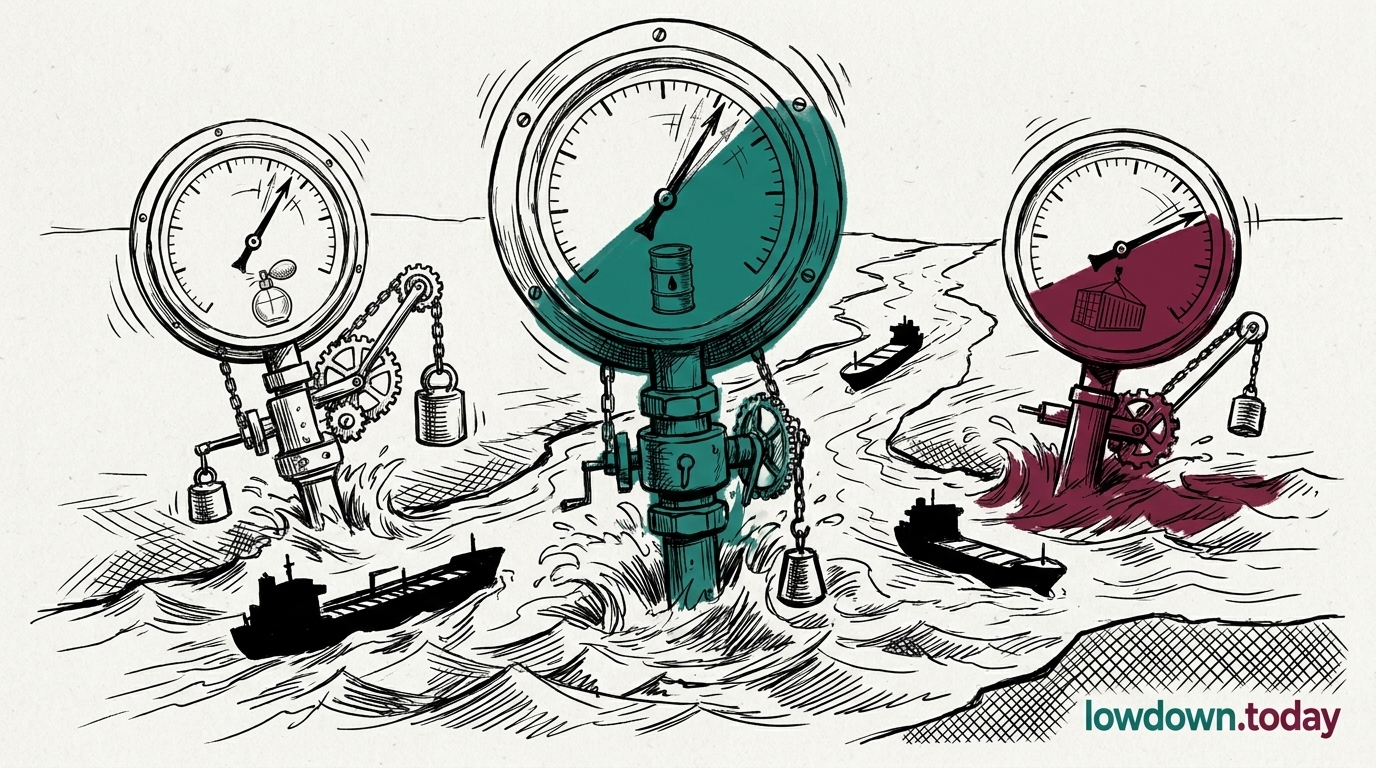
Port and maritime officials of the Gulf Cooperation Council (GCC, the six-state Gulf bloc) met at the organisation's headquarters in Riyadh on 19 August for the 39th session of their ports and maritime administrations committee. They examined proactive measures for possible vessel-transit restrictions through the Strait of Hormuz and through Bab el-Mandeb, the southern entrance to the Red Sea. Qatar's Ministry of Transport attended.1
The committee also considered classifying Arabian Gulf waters as a Same Risk Area under the Ballast Water Management Convention, the treaty governing the water ships take on for stability and the organisms it carries between ports. Separate items covered a marine environmental risk register, vessel-licensing rules, and technical alternatives to strengthen positioning, navigation and timing services. Those services are the satellite signals a ship uses to know where it is.
Replacing them takes a Gulf port authority years of procurement rather than a fortnight of contingency. A committee that opens that file is provisioning for a strait still restricted long after this month's negotiations finish, however they finish. Putting both chokepoints on one agenda also treats them as a single problem rather than as a main route and its detour. Saudi Arabia and the United Arab Emirates were still calling attacks on Emirati-affiliated tankers incidents a fortnight ago; the same governments now have transit restrictions sitting inside a standing work programme.


