Skip to content
You can now search across every topic, entity and event.What's new
Iran Conflict 2026
12AUG

Qatar summons Iran yet keeps mediating

2 min read
14:52UTC

Qatar summoned Iran's deputy ambassador on 8 July after a claimed strike on its soil, then its prime minister phoned Tehran the same day urging both sides back to diplomacy.

ConflictDeveloping
Key takeaway

Qatar is now both mediator and claimed target, a split that could unseat the Doha channel.

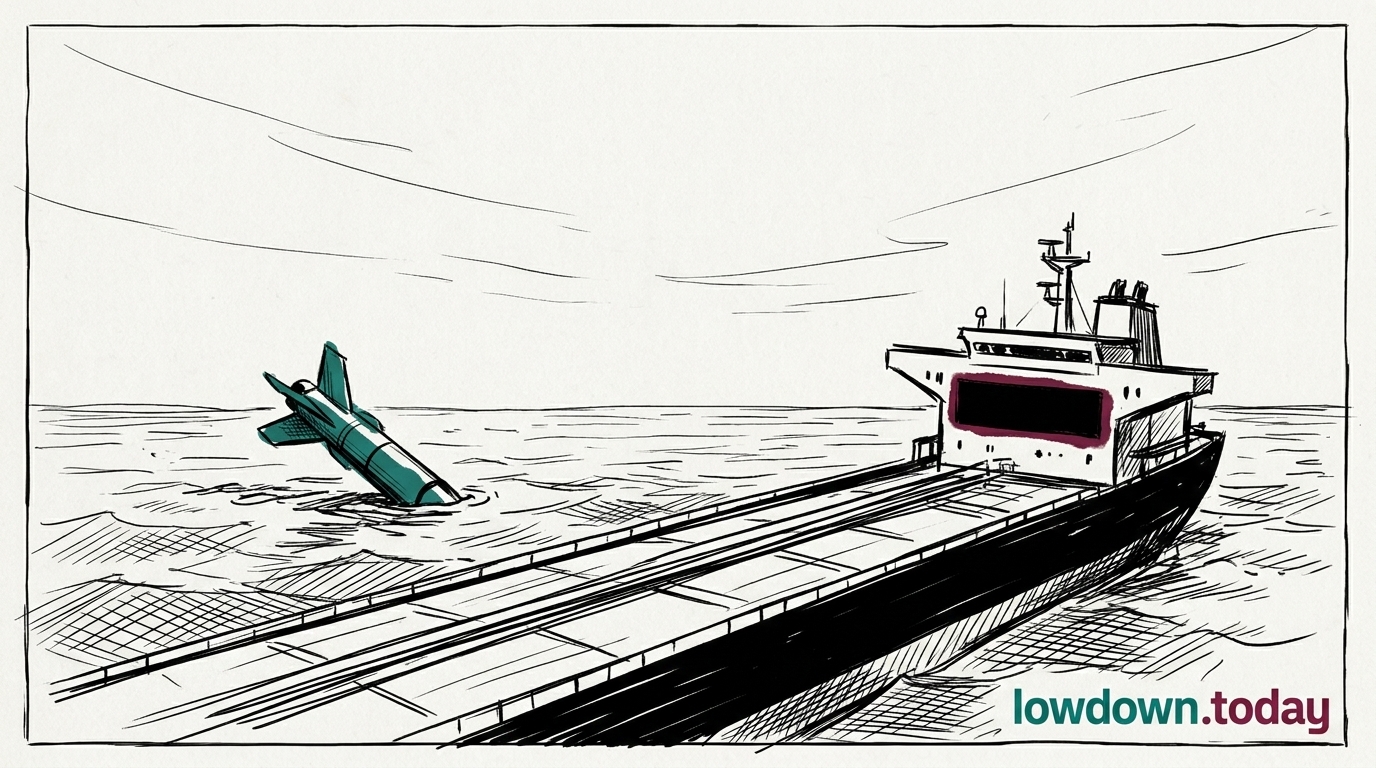
Qatar's foreign ministry summoned Iran's deputy ambassador on Wednesday 8 July, demanding Tehran 'immediately cease practices compromising regional security' and reserving all rights under international law 1. Qatar hosts the stalled Doha talks between Washington and Tehran, which puts the mediator inside the target set: the IRGC claimed a strike on a Qatari satellite antenna on 9 July 2, days after Iranian missiles hit the Qatari-operated gas carrier Al Rekayyat in the strait .

Even with its territory claimed struck, Qatar's Prime Minister Sheikh Mohammed bin Abdulrahman Al Thani telephoned Iran's Foreign Minister Abbas Araghchi the same day, urging both sides to 'commit to diplomacy' and implement the memorandum 3. The two moves pull against each other. The war-risk exclusion that marine protection-and-indemnity insurers imposed after the Al Rekayyat hit is still in force, so Doha is appealing for diplomacy while the commercial freeze on its own shipping holds.

Deep Analysis

In plain English

Qatar is a small, gas-rich Gulf country that hosts a major American military base and has also been trying to help end the Iran-US war through phone diplomacy. After Iran's Revolutionary Guard claimed it struck a satellite antenna on Qatari soil, Qatar's government formally protested by summoning Iran's deputy ambassador, a diplomatic step just short of expelling him. But hours later, Qatar's prime minister still phoned Iran's foreign minister to push for calm, showing Doha is angry but not ready to walk away from its role as go-between.

Deep Analysis
Root Causes

Qatar shares the North Field/South Pars gas formation directly with Iran, the world's third-largest reserve, which means severing contact with Tehran carries an energy-revenue cost Doha cannot easily absorb even after a strike on its own territory.

Qatar also still holds roughly $6bn in frozen Iranian funds that Tehran disputes are moving, giving Doha a financial lever it forfeits the moment it closes the diplomatic channel entirely.

What could happen next?
  • Risk

    If Iran strikes Qatari territory again before the disputed $6bn tranche is resolved, Doha's dual-track approach becomes harder to sustain domestically, narrowing the mediation channel just as US-Iran talks are reportedly expected in Doha the third week of July.

First Reported In

Update #150 · Second US strike wave, first heavy toll

Tasnim News Agency· 9 Jul 2026
Read original
Different Perspectives
Anwar Gargash, UAE presidential diplomatic adviser
Gargash warned the region cannot stay trapped between "neither war nor peace", naming the stalemate itself as unsustainable for a Gulf state hosting US forces and absorbing the shipping-risk cost without being party to either the strike decisions or the corridor talks.
Shipping and insurance underwriters
War-risk premiums are still set against an active blockade and a fatal Bab el-Mandeb attack with an unresolved vessel identity. A disabling strike and a diplomatic "advanced" claim pulling in opposite directions gives underwriters no single signal to reprice cover against.
Pakistan and Qatar (Oman corridor mediators)
Pakistan's defence minister said matters are "shaping up in favor of peace" on Hormuz and a Qatari spokesperson called the Iran-Oman reopening talks advanced. Both are publicly ahead of Tehran's own security council, which has just disowned the deal's significance.
United States Central Command / President Trump
CENTCOM confirmed a helicopter strike disabled a container ship that tried to evade the blockade, and Trump said the US "totally controls" the Strait of Hormuz. Washington is treating evasion of the blockade as grounds for disabling fire rather than the redirection tactic CENTCOM used through July.
Mohsen Rezaei, Iran's Supreme National Security Council
Rezaei told China's ambassador Hormuz reopens only when the US ends the war and unblocks Iran's funds, and that the Oman transit deal "will have no impact" on that decision. He is drawing a hard line between the technical corridor track and the political settlement his council controls.
Yemen's internationally recognised government and affected communities
SABA reported at least 17 soldiers killed at Saudi-backed camps in eastern Yemen as tanker use of Bab el-Mandeb fell. The fighting adds civilian and supply risks to a route ships use when Hormuz is unsafe.