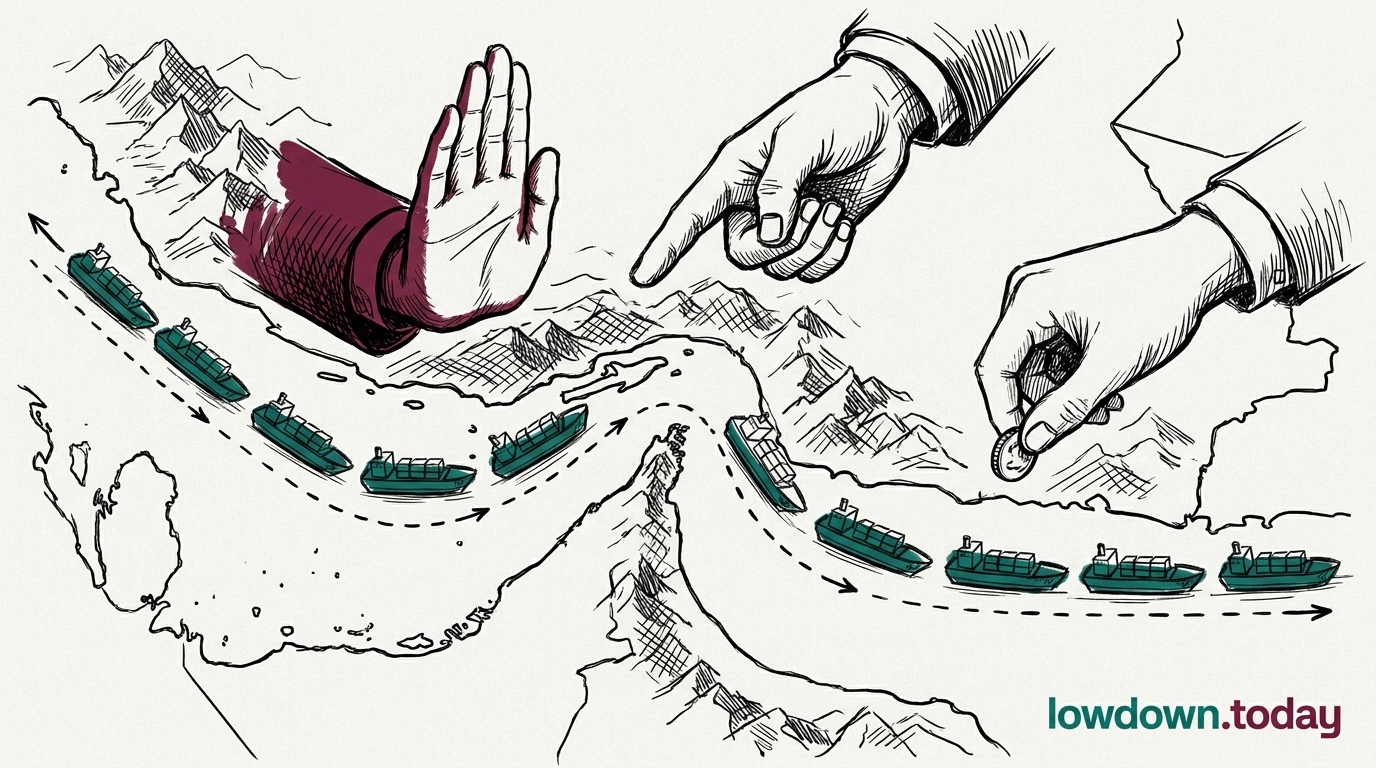
Argus reported on 24 April that EU gasoil imports had run 695kbd, down 38% month-on-month and the lowest since its tracking began in 2016, after the Hormuz disruption stripped roughly a fifth of Europe's Gulf sourcing1. The ICE Gasoil crack held near $54/bbl through the period2, and US distillates sat 9% below the five-year average in the week to 15 May3, deeper than the deficit behind the IEA's 246mb two-month draw. With the flat price down $14 and the physical deficit unchanged, the crack mechanically widens.
The arbitrage sits exactly here. BP Rotterdam's roughly 400kbd is still dark on both crude units, pulling NWE cracking capacity out at the exact moment the import gap opened. The two shocks compound rather than add: domestic refining withdrew just as the import channel closed, so the deficit cannot be covered from European runs alone, and a flat-price fall does not touch that physical gap.
The trade is to hold gasoil as the risk-adjusted long against crude. The flat price carries the deflating geopolitical premium; the crack carries the 695kbd of imports Europe lost. If a Hormuz-normalisation headline brings no actual flow inside 30 days, the backwardation re-steepens, because the barrels still have to arrive and none have yet.


