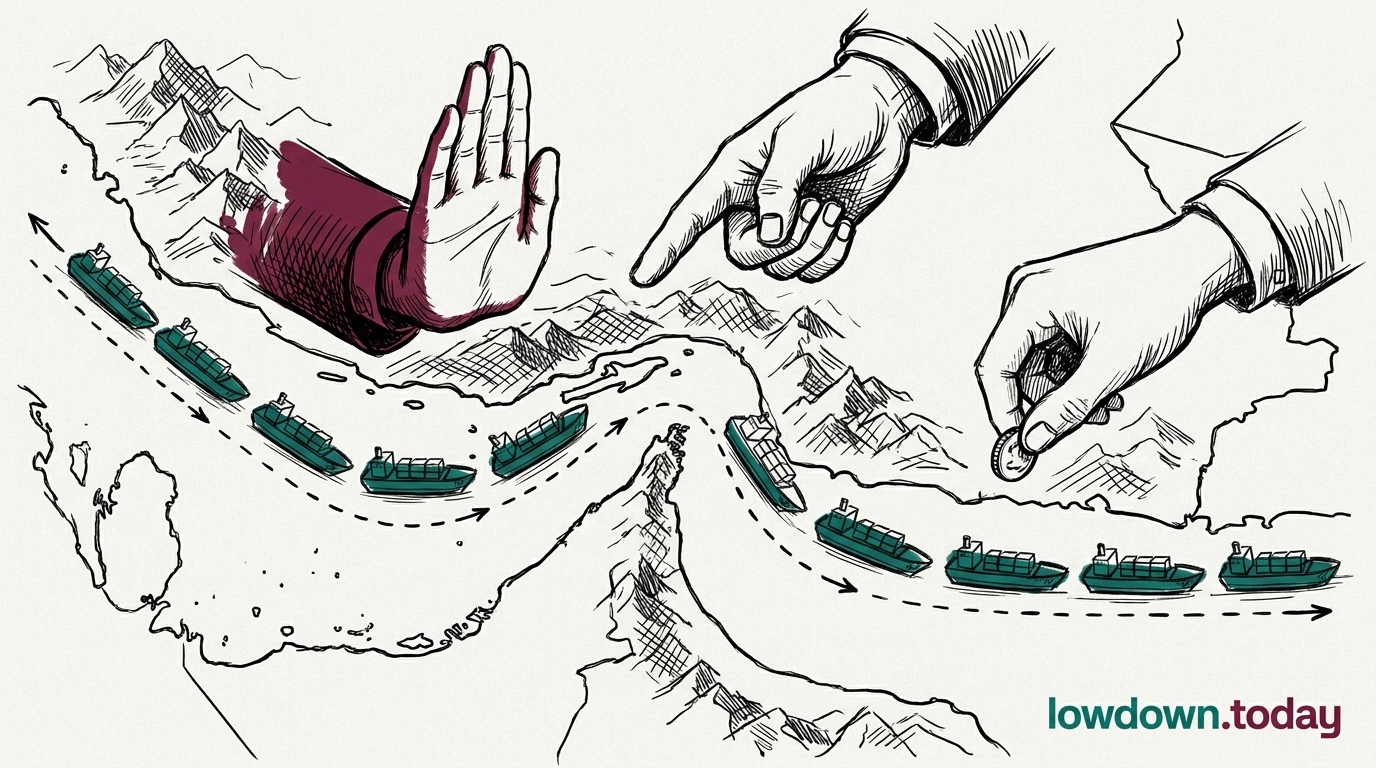
Brent Crude fell $12.25 — 10.9% — to close at $99.94 per barrel, its first settlement below $100 since 11 March and a 14% intraday swing — the largest single-day oil price drop since the war began. WTI fell 10.3% to $88.13. European gas futures dropped 9%. The trigger: Trump's Truth Social post claiming productive conversations with Iran and postponing strikes on Iranian power plants for five days.
Four days earlier, Brent had peaked at $126. The swing from peak to Monday's close — roughly 21% in under a week — occurred with no change in the physical supply picture. the strait of Hormuz remains under IRGC operational control. The 8-million-barrel-per-day supply disruption documented by the IEA has not eased. More than 3,000 vessels remain stranded across the Middle East. UBS economist Paul Donovan attributed the volatility to "different and at times contradictory assessments of the war" from senior US officials1 — a diagnosis that applies with equal force to the $126 peak, which was driven by Trump's 48-hour strike ultimatum.
Even after Monday's drop, Brent at $99.94 sits roughly 50% above the pre-war price of $67.41. American households still pay an additional $300 million per day at the pump compared to pre-conflict levels. Goldman Sachs's Daan Struyven had raised US recession probability to 25% at lower price levels than Monday's settlement; Oxford Economics assessed that sustained Brent at $140 triggers a mild global recession at negative 0.7% GDP.
Monday's market priced in a diplomatic resolution that does not yet exist. Iran denies negotiations have occurred. If the proposed Islamabad meeting fails to materialise, or if Trump's five-day postponement expires on 28 March without progress, the conditions that produced $126 remain intact — and the snap-back would be equally abrupt.


