Skip to content
Welcome, thoughtbot's Giant Robots listeners!Start here
Iran Conflict 2026
24JUN

Iran Exempts Iraq From Hormuz as Oil Output Collapses

3 min read
09:14UTC

Iraq lost three-quarters of its oil production to the blockade. Tehran granted relief and called it brotherhood.

ConflictAssessed
Key takeaway

Iran is converting Hormuz from a blockade into a bilateral licensing system it controls.

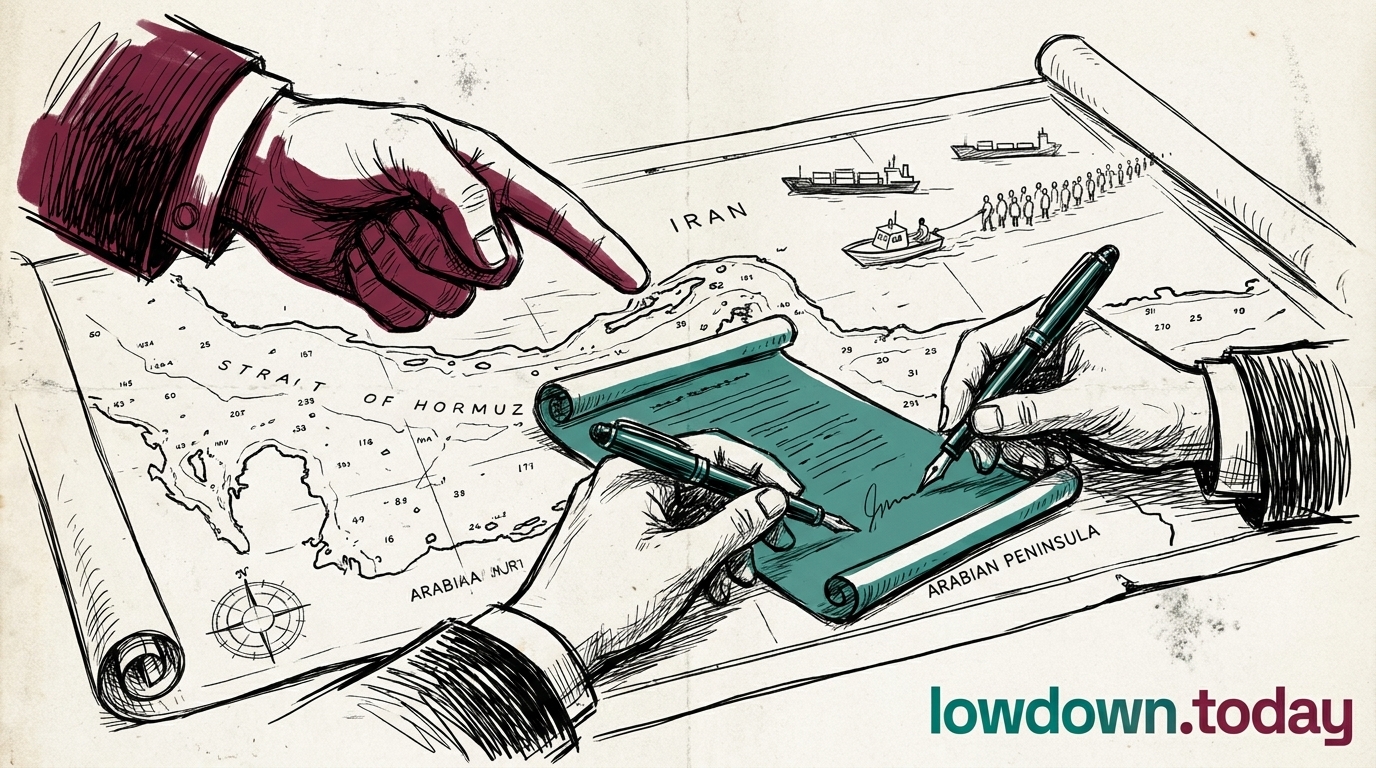
Iran exempted Iraq from all Strait of Hormuz restrictions on 5 April, citing "brotherly" ties.⁠1 Iraq's oil production had collapsed from 4.3 to 1.2 million barrels per day under the blockade, a 72% drop costing roughly $200 million daily. Oil is the single revenue source that funds Iraq's government. The exemption is a survival measure for both sides: Iraq's economy cannot function without Hormuz access, and Iran needs at least one friendly neighbour whose state has not been destroyed by Iranian policy.

Weekly Hormuz transits rose to 53 last week, up from 36, but still down over 90% from the pre-war normal of roughly 966. The increase is driven entirely by bilateral exemptions: the Philippines, France, Japan, Oman, and now Iraq. Each deal further normalises Tehran's sovereignty claim over international waters. The coalition posture Washington maintained since the blockade began is dissolving into a series of licensing arrangements administered by Tehran.

Ali Vaez of the International Crisis Group assessed that Hormuz control is "much more potent than even a nuclear weapon." Former CIA Director Bill Burns said Tehran has "tasted its power and leverage and won't soon give it up." US intelligence simultaneously assessed Iran will not open Hormuz "any time soon."⁠2

Deep Analysis

In plain English

Iran is blocking most ships from passing through a narrow waterway that most of the world's oil passes through. Iraq, which is Iran's neighbour and has historically friendly relations with Tehran, was losing three-quarters of its oil income because of the blockade. Iran has now said Iraq's ships can pass through. This sounds like a concession, but it is actually something more significant: Iran is deciding country by country who gets to use an international waterway, and charging them for the privilege. That is a fundamental change in who controls global oil shipping.

First Reported In

Update #59 · Day 37: A Ground War Inside Iran That Nobody Will Name

Al Jazeera· 5 Apr 2026
Read original →
Causes and effects
Different Perspectives
Office for Budget Responsibility
The OBR's 28 October forecast assumed $82 oil for 2026 and 2027, from market prices for the ten working days to 19 August, and blamed dearer wholesale energy on the war without naming Iran. It expects CPI inflation close to 4% in early 2027 even at that price.
Hengaw, Kurdish rights group
Hengaw reported the 3 November hangings of Amirhossein Maleki and Amirhossein Ebrahimi in Isfahan, saying Ebrahimi was tortured into confessing and that nine of 12 people sentenced to death in the case have now been hanged. Iran's judiciary holds that the defendants killed members of the security forces.
FINTRAC, Canada's financial intelligence unit
FINTRAC worked with the US Treasury on the 6 November designation of eight money services businesses in British Columbia, Ontario and Quebec. Treasury says the businesses still operate, some under new names, so closing them falls to Ottawa.
Abdul Qadir al-Dakhil, Governor of Nineveh
Al-Dakhil cancelled three Mosul International Airport contracts on 7 November over alleged links to armed groups, after meeting Prime Minister Ali al-Zaidi in Baghdad. He named no group or company, and said the contracts will go to international companies.
Kuwait
Kuwait
Kuwait condemned the Houthi missile fired towards the Madinah region on 5 November and restated its support for Saudi Arabia, the Qatar News Agency reported. Its state tanker company, Kuwait Oil Tankers Company, is among the Gulf state fleets on Iran's expanded Hormuz list.
Scott Bessent, US Treasury Secretary
Treasury designated an alleged Chandigarh false-flag network on 4 November and eight Canadian exchangers on 6 November, while State sanctioned alleged MANPADS intermediaries. None of the actions touches an oil buyer; they target the paper, cash and procurement around Iran's trade.

Written with AI from Lowdown's published reporting. Not individually reviewed by an editor. Editorial standards.

