Skip to content
You can now search across every topic, entity and event.What's new
Iran Conflict 2026
21JUN

Four mediators table a ten-day truce

2 min read
17:51UTC

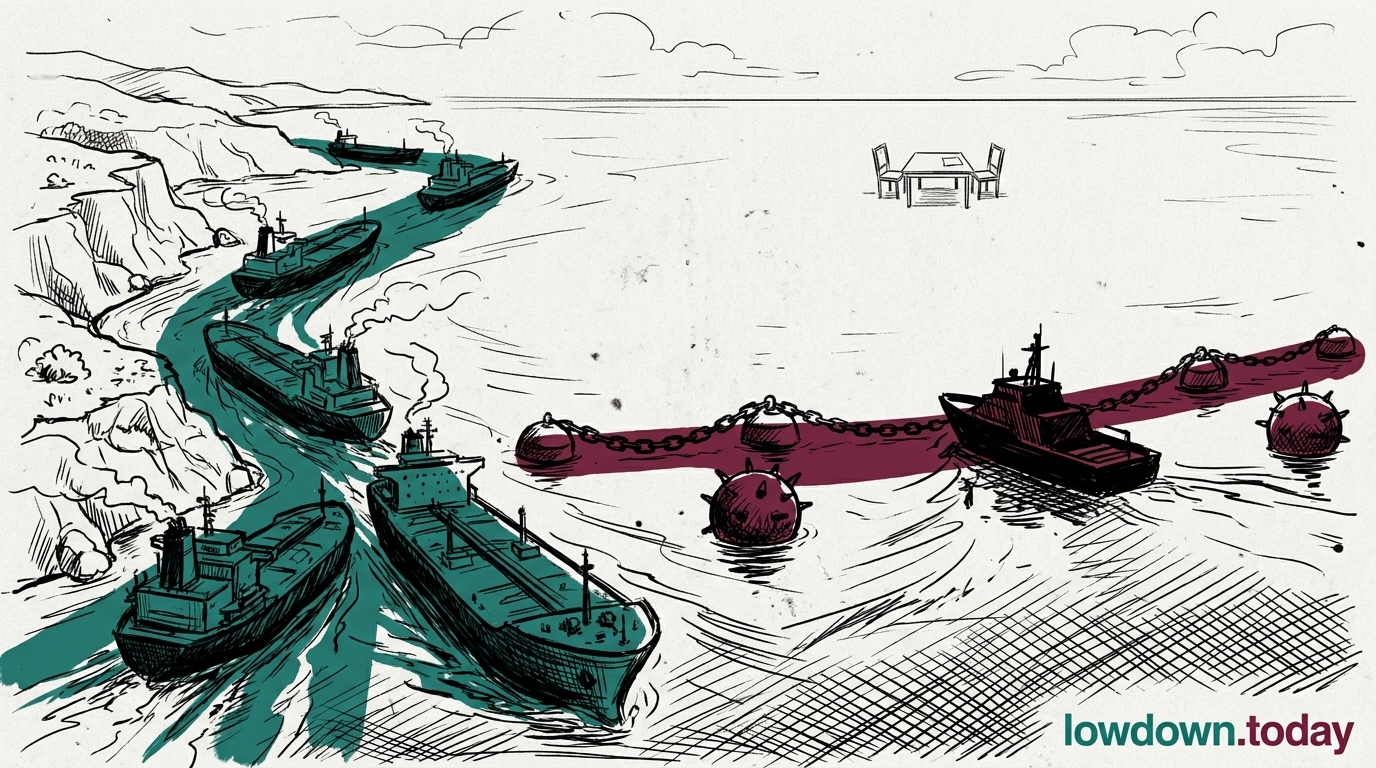
Qatar, Egypt, Pakistan and Oman submitted a ten-day ceasefire proposal to Washington and Tehran, its core term the reopening of the Strait of Hormuz.

ConflictDeveloping
Key takeaway

Four mediators put a ten-day truce on the table built around reopening Hormuz, and Washington wants longer.

Qatar, Egypt, Pakistan and Oman submitted a ten-day ceasefire proposal to Washington and Tehran, its core term the resumption of Strait of Hormuz navigation alongside talks on a longer agreement 1. The four are the region's standing intermediaries, and the text puts a fixed clock on a war that has run without one.

The proposal reaches an administration holding out for a longer pause than ten days, which has urged Israel to keep the diplomatic window open. Qatar files it from the same seat where it lodged a dated compensation claim against Iran at the UN Security Council on 21 July , mediating and litigating at once. The core term reaches for the one lever that moves everything else: reopening Hormuz would unwind the blockade and the price spike together, which is why it sits at the centre of the text rather than the nuclear file or the strikes.


Deep Analysis

In plain English

Four countries, Qatar, Egypt, Pakistan and Oman, have proposed a ten-day ceasefire to both the United States and Iran. The main idea is to reopen the Strait of Hormuz, the narrow waterway ships use to move Gulf oil, while the two sides talk about a longer-term deal. This is not a done deal. It is a proposal put forward by countries that are not directly fighting but have a strong interest in the war ending, or at least in ships being able to move safely again.

Deep Analysis
Root Causes

The proposal's ten-day window reflects a structural constraint Qatar cannot avoid: its own gas exports and the CENTCOM basing it hosts sit inside the same Gulf waters the ceasefire is meant to reopen, giving Doha a direct material stake beyond diplomatic goodwill.

Pakistan's role rests on being the only channel both Washington and Tehran have kept open since the spring proposals, a position it holds not through leverage but through being the last venue neither side has formally closed.

What could happen next?
  • Meaning

    A joint four-country proposal signals the mediators believe Washington and Tehran are close enough to a deal that sequencing, who reopens Hormuz first, is now the main obstacle.

  • Precedent

    Every prior Pakistan-brokered ceasefire text since May has traded Hormuz access for a US drawdown demand Washington rejected; if this proposal drops that demand, it marks a real shift in the mediators' approach.

First Reported In

Update #160 · Houthis hit Saudi tankers; Brent tops $100

The Jerusalem Post· 23 Jul 2026
Read original
Different Perspectives
Hengaw
Hengaw
The Norway-based monitoring group reported the Urmia executions of Omid Behzad and Pouria Safvat, the only source to do so, consistent with its documented pattern of recording far more executions than the Iranian state acknowledges. Iran's government has not confirmed either execution.
Shipping and insurance underwriters
War-risk premiums price the Houthi campaign because the group announces its targets in advance, but a reopening Trump has promised without a published text gives underwriters no benchmark to reprice Hormuz cover against. Insurers want a text before they move rates, not a promise.
Houthi movement
Houthi movement
Spokesman Yahya Saree claimed strikes on two tankers in the Red Sea and Gulf of Aden on 5 August, only one of which UKMTO could confirm. The group's campaign against shipping continues on its own schedule, independent of any Hormuz arrangement further north.
Oman
Oman
Muscat has brokered the coordinates both Tehran and Washington's wire sources now describe differently, but has published no account of its own. Oman's position depends on treating Hormuz as a shared route, which is not what Iran is currently describing.
United States Central Command
CENTCOM raised its interdiction tally from 35 to 44 redirected vessels and disclosed its first boardings on 3 August, the day before Trump promised a reopening. The command's own enforcement record does not yet reflect the release the President has described.
Iran's Foreign Ministry
Spokesman Esmaeil Baghaei described the agreed Hormuz coordinates as a wholly new corridor under Iranian management, not a split of the existing route, days after his own deputy rejected Oman's lane proposal. Tehran wants the arrangement read as a change of ownership, not a compromise on access.



