Skip to content
You can now search across every topic, entity and event.What's new
Iran Conflict 2026
5JUN

OFAC pulls Iran's oil waiver early

3 min read
08:43UTC

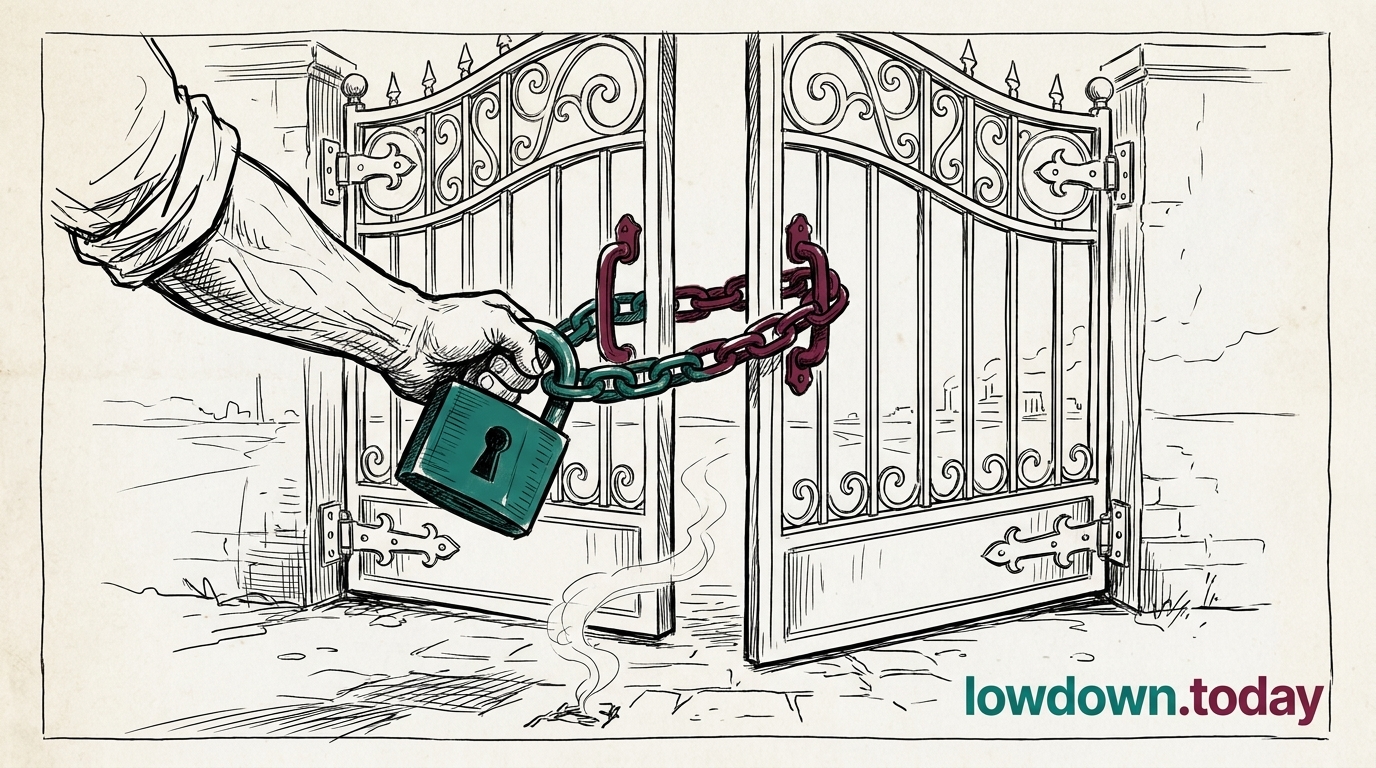
OFAC revoked the 22 June Iranian oil waiver on 7 July and replaced it with a wind-down-only licence expiring 17 July, the first instrument Washington has signed on Iran in this war.

ConflictAssessed
Key takeaway

Washington's first signed Iran instrument of the war revokes oil relief rather than offering a deal.

The Office of Foreign Assets Control (OFAC) revoked the 22 June Iranian oil waiver on 7 July, replacing General License X with a wind-down-only licence, General License X1, that authorises no new purchases of Iranian crude and expires on 17 July. OFAC Director Bradley T. Smith signed it. 1 OFAC is the US Treasury bureau that administers sanctions and issues the general licences that carve legal exemptions inside them, so its paperwork reaches any buyer clearing dollars through US banks.

The revocation narrows the one legal channel that kept some Iranian crude flowing to dollar-clearing customers. The bite lands on law-abiding buyers such as Japan's oil importers, while China, which never used the waiver, is untouched. Iranian barrels do not stop moving; their clean title does.

A day earlier this desk recorded the opposite picture, with OFAC sanctioning six other programmes and naming nothing on Iran or Hezbollah . Across 120 days Donald Trump had said a great deal on Iran and signed nothing. General License X1 ends that streak, and it does so by taking relief away.

The three Japanese houses that had asked Washington for a longer runway before committing to Iranian cargoes got the reverse: the window shut five weeks early rather than opening wider. Unlike the 29 June verbal stand-down, which evaporated on a phone call within days, a signed licence with a hard 17 July wind-down runs on OFAC's own clock. Traders who bought under General License X now have ten days to unwind.

Deep Analysis

In plain English

OFAC (the Office of Foreign Assets Control) is the branch of the US Treasury that enforces sanctions. In June it had quietly let Iran sell oil to certain buyers under a temporary exemption called General License X. On 7 July, Treasury cancelled that exemption early and replaced it with 'General License X1', which only lets buyers finish selling oil they had already agreed to buy, not start any new purchases. That wind-down permission runs out on 17 July, after which any Iranian oil sale routed through the US financial system becomes illegal again. Japan, which had just opened talks on new Iranian crude purchases, loses that window five weeks sooner than expected. China is largely unaffected because it settles its Iranian oil purchases outside the US dollar system that OFAC controls.

Deep Analysis
Root Causes

General licences like GL X are unilateral Treasury instruments, not congressional sanctions law: OFAC's director can issue, amend or revoke them without notice or a comment period, which is why GL X1 could replace GL X on nine days' notice rather than the longer wind-down periods Congress mandates for statutory sanctions relief.

The revocation follows the same week's pattern as OFAC's Economic Fury campaign, which issued six new designations while naming zero new Iran or Hezbollah targets: officials appear to be treating the oil channel as the primary remaining lever after CENTCOM's kinetic response, rather than adding names to the SDN list.

What could happen next?
  • Consequence

    Japanese refiners lose their negotiating window for new Iranian crude purchases five weeks earlier than the original 22 June licence terms implied.

  • Meaning

    OFAC's willingness to revoke a general licence on nine days' notice signals the oil channel, not new SDN designations, is now Treasury's primary lever against Iran.

First Reported In

Update #149 · The first thing Washington signed on Iran: a revocation

Al Jazeera· 8 Jul 2026
Read original
Different Perspectives
International Group of P&I Clubs
The Group has kept its Hormuz war-risk exclusion in force through the entire shipping recovery, even as London hull war-risk premiums fell to about 2% of vessel value. A burning LNG carrier off Limah is now the fresh case for holding that line, with mutual pooling meaning one hit reprices the strait for every owner at once.
Jordan
Jordan
Jordan's government said no threats existed at Aqaba hours before Iranian missiles landed there, and has not addressed the IRGC's claim that Jordanian civilians and soldiers supplied targeting intelligence for the strike. Amman hosts forces it does not command and is saying as little as it can.
United States (CENTCOM)
The Pentagon named two of the seventeen American dead, 1st Lieutenant Tyler Feehan and Private Isabella Gonzales, both killed at Jordan's Muwaffaq Salti Air Base, days after its Amman embassy had warned citizens away from Aqaba's airport and seaport. Washington is naming its own cost while flagging threats it declines to attribute publicly.
Iran
Iran
Iran said on Monday it disabled two oil tankers crossing the Strait of Hormuz without its permission, asserting a right to license passage through the strait it borders. Tehran named neither vessel, and CENTCOM had already denied a comparable Iranian claim on 18 July.
Qatar
Qatar
Qatar moved from summoning Iran's deputy ambassador on 8 July to a dated written claim at the UN Security Council thirteen days later, citing Resolution 2817 and reserving its Article 51 right of self-defence. Doha is building a permanent record while still hosting CENTCOM's forward headquarters and mediating with Tehran.
CENTCOM
CENTCOM
CENTCOM confirmed a third American service member died in northern Iraq on 19 July clearing unexploded ordnance from a downed Iranian drone, and recovered unidentified remains at Muwaffaq Salti Air Base in Jordan. The Pentagon has framed its Khuzestan strikes as degrading IRGC capacity, a rationale that stretches to explain a reactor foundation with no nuclear material in it.