Skip to content
You can now search across every topic, entity and event.What's new
Iran Conflict 2026
6JUL

Japan reopens Iran oil talks after 2019

4 min read
09:30UTC

Iran has opened crude talks with three Japanese firms under a US waiver that expires on 21 August, but frozen marine insurance means not a single barrel has moved.

ConflictDeveloping
Key takeaway

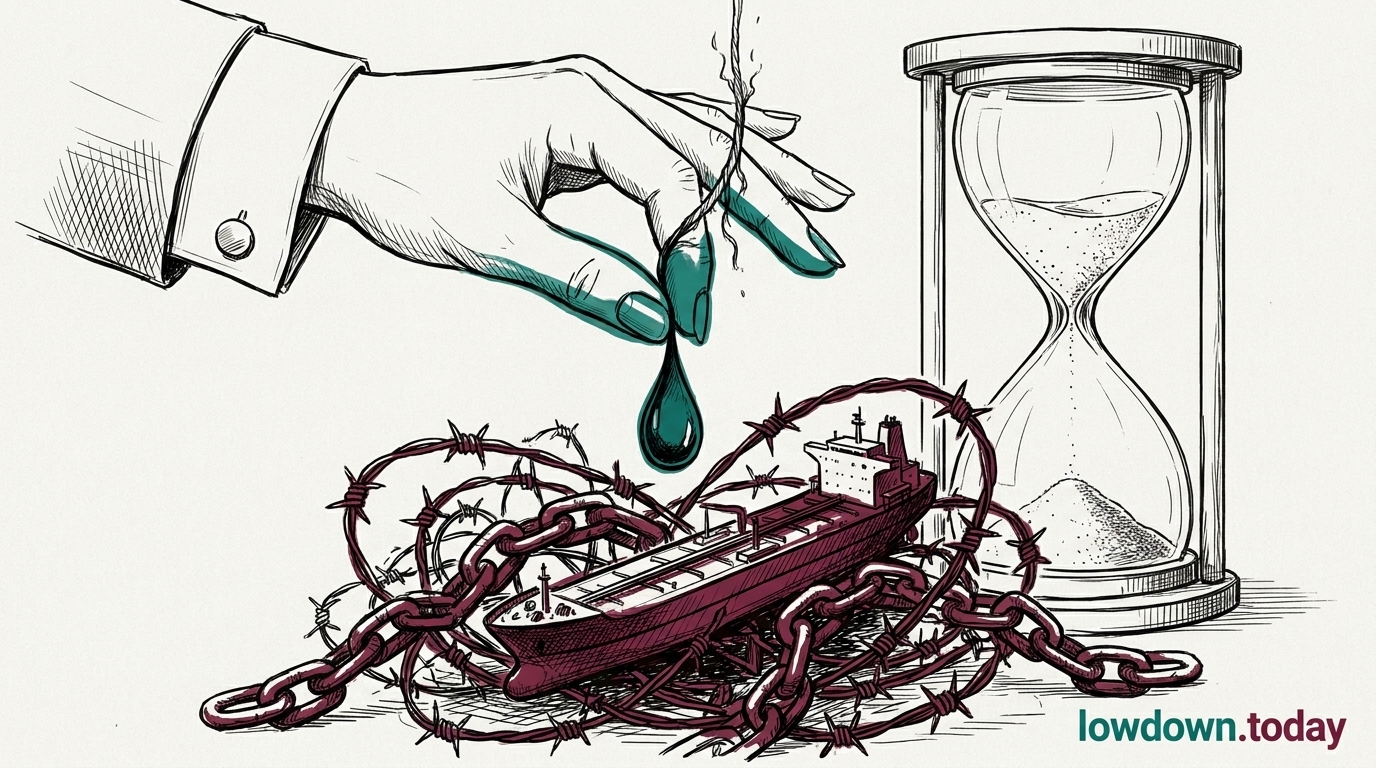
A US permission slip has reopened Iranian oil for Japan, but frozen insurance may keep every ship in port.

Iran has opened talks with three Japanese firms on resuming crude imports for the first time since 2019, two Iranian and Western sources told Reuters 1. The purchases would run under the temporary United States sanctions waiver that took effect on 22 June and expires on 21 August, the one live document tied to the 60-day peace deal. Japanese buyers have asked Washington for a longer waiver before committing, because a tanker sailing from Iran to Japan spends much of the 60-day window at sea.

A senior Japanese refiner told Reuters that insurance, not politics, is the single biggest obstacle 2. Every cargo needs protection-and-indemnity (P&I) cover, the marine liability insurance that pays out when a tanker spills, collides or is seized, and that cover has been frozen or priced at war rates since this conflict's first week. Washington has licensed the trade through 21 August, yet none of the three firms will load a barrel until that cover clears. A licence removes the legal bar; it does not compel a London or Asian underwriter to write the policy, and the underwriters have not returned at commercial rates.

That gap is the whole story. Iranian crude has been sailing freely for weeks, an estimated $3.5 billion of it since mid-June , yet Trump demanded cheaper petrol and signed nothing new on Iran , and Treasury reached for pre-war authority to keep its existing sanctions moving , the very framework Japan is now testing. Japanese buyers are asking for a longer window before they load, which means they are pricing in the risk that a cargo booked today arrives after the legal cover has lapsed, a timing mismatch the transit distance makes acute.

If the insurance market stays shut, the waiver produces headlines and no cargoes, exposing a form of sanctions relief that cannot function without underwriting capacity. If a Japanese refiner does commit, it widens Iran's buyer base beyond China and sets a precedent other Asian importers will watch closely.


Deep Analysis

In plain English

Iran wants to sell oil again, and Japan is willing to talk about buying it, but talking is not the same as a tanker actually leaving port. Before any oil ship can sail, it needs insurance that covers the owner if something goes wrong, like a collision or a spill. That insurance is called P&I cover (short for protection-and-indemnity). The companies that provide almost all of this cover in the world are grouped into something called the International Group of P&I Clubs, and they have refused to insure ships going through the Strait of Hormuz, the narrow waterway Iran partly controls, since Iran's naval force started stopping and searching vessels there. The US gave Iran and its buyers a 60-day window (22 June to 21 August) where trading is technically allowed, but that window is useless if no insurer will take the risk. So the real story is not whether Japan wants to buy oil. It is whether an insurance company somewhere will agree to cover the ship carrying it.

Deep Analysis
Root Causes

The structural bottleneck is that P&I cover is mutual, not bilateral: each of the 13 clubs in the International Group pools claims across its whole membership, so covering one Hormuz-transiting tanker exposes every other member insured against a shared reinsurance layer. A club cannot quietly cover one Japanese cargo without either declaring the whole Gulf open or breaking its own pooling agreement.

Japan's specific constraint is regulatory: its Financial Services Agency requires domestic insurers to match, not merely supplement, the International Group's exclusions, so a Japanese trading house cannot self-insure around the gap the way a Chinese state refiner can.

What could happen next?
  • Meaning

    A Japanese cargo actually loading would be the first G7-flagged test of whether mainstream P&I cover, not just a US licence, is willing to return to Hormuz risk.

  • Risk

    If no International Group club writes cover inside the 60-day window, the waiver expires unused and Japan defaults back to non-Iranian supply, signalling to other G7 buyers that the waiver is symbolic rather than commercially usable.

First Reported In

Update #147 · Japan opens Iran oil talks under US waiver

Reuters· 6 Jul 2026
Read original
Different Perspectives
India
India
New Delhi has a national unaccounted for among GFS Galaxy's eleven-strong Indian crew, turning a standoff over transit rights into a consular emergency for a state with no seat at either table.
Oman
Oman
Muscat's 9 July arrangement to jointly manage Hormuz traffic with Iran, outside the frozen US channel, is overridden within days by Tehran's own unilateral closure and strike on GFS Galaxy.
Qatar
Qatar
Doha keeps mediating from an exposed position: Al Udeid hosts the CENTCOM strikes it is trying to broker a stand-down around, a week after a Qatari carrier was itself hit in the strait.
United States / CENTCOM
CENTCOM flew a third strike wave in a week, roughly 140 targets, killed Lieutenant Dehghani at Jask, and insists the strait remains open. It signed no instrument making that claim enforceable against Iran's closure.
Iran / IRGC
Iran / IRGC
Tehran struck GFS Galaxy and declared Hormuz closed, reasserting IRGC toll authority after its Oman-brokered management track failed to bind Washington to anything. The strike restores unilateral control after days of a negotiated alternative gaining ground.
Russia
Russia
Grossi's non-confirmation came from Kaliningrad, hours after Rosatom, the state agency that built and fuels Bushehr, hosted his talks. A refusal delivered from inside Russia's own nuclear orbit carries weight a Western capital could not manufacture, though Moscow itself made no statement on Iran's strike claim.



