Skip to content
Briefings are running a touch slower this week while we rebuild the foundations.See roadmap
Iran Conflict 2026
19MAY

Iran Exempts Iraq From Hormuz as Oil Output Collapses

3 min read
17:44UTC

Iraq lost three-quarters of its oil production to the blockade. Tehran granted relief and called it brotherhood.

ConflictAssessed
Key takeaway

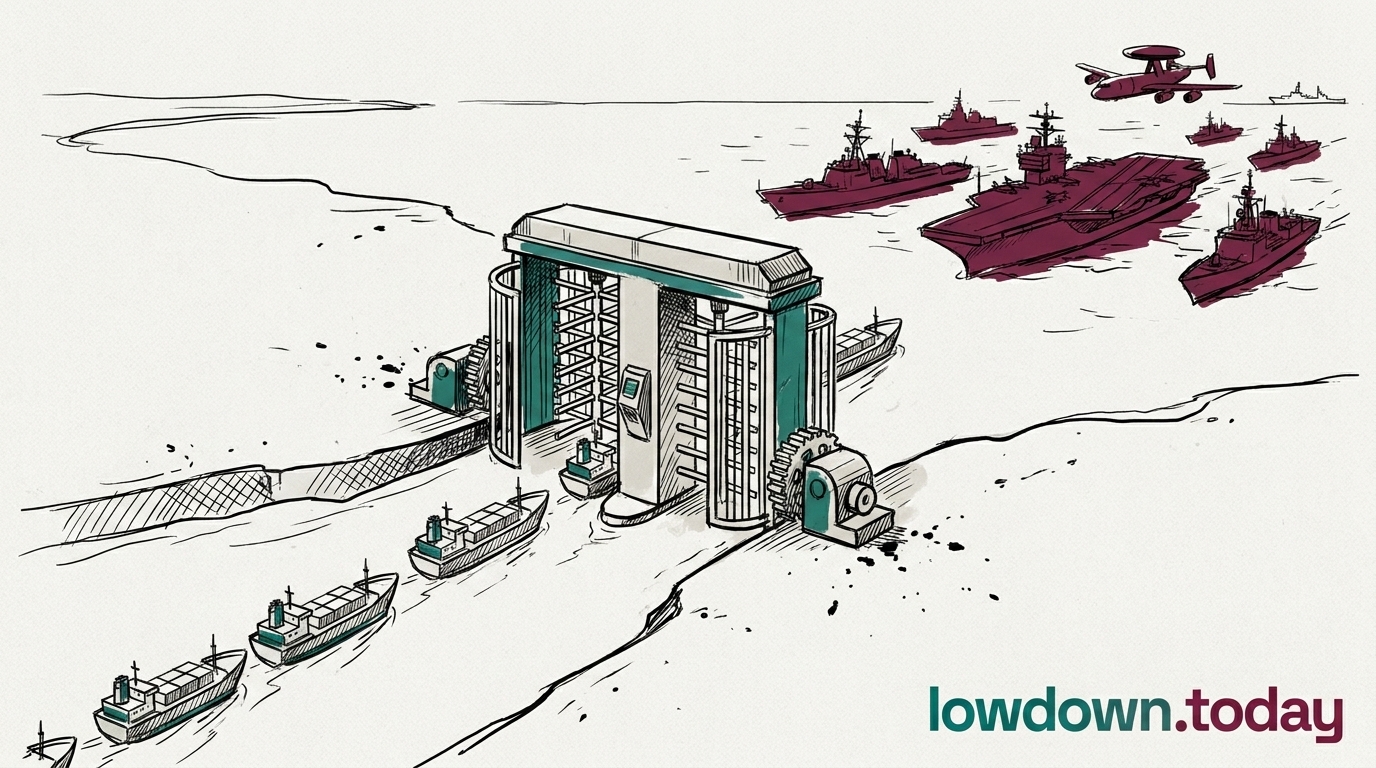
Iran is converting Hormuz from a blockade into a bilateral licensing system it controls.

Iran exempted Iraq from all Strait of Hormuz restrictions on 5 April, citing "brotherly" ties. 1 Iraq's oil production had collapsed from 4.3 to 1.2 million barrels per day under the blockade, a 72% drop costing roughly $200 million daily. Oil is the single revenue source that funds Iraq's government. The exemption is a survival measure for both sides: Iraq's economy cannot function without Hormuz access, and Iran needs at least one friendly neighbour whose state has not been destroyed by Iranian policy.

Weekly Hormuz transits rose to 53 last week, up from 36, but still down over 90% from the pre-war normal of roughly 966. The increase is driven entirely by bilateral exemptions: the Philippines, France , Japan, Oman, and now Iraq. Each deal further normalises Tehran's sovereignty claim over international waters. The Coalition posture Washington maintained since the blockade began is dissolving into a series of licensing arrangements administered by Tehran.

Ali Vaez of the International Crisis Group assessed that Hormuz control is "much more potent than even a nuclear weapon." Former CIA Director Bill Burns said Tehran has "tasted its power and leverage and won't soon give it up." US intelligence simultaneously assessed Iran will not open Hormuz "any time soon." 2

Deep Analysis

In plain English

Iran is blocking most ships from passing through a narrow waterway that most of the world's oil passes through. Iraq, which is Iran's neighbour and has historically friendly relations with Tehran, was losing three-quarters of its oil income because of the blockade. Iran has now said Iraq's ships can pass through. This sounds like a concession, but it is actually something more significant: Iran is deciding country by country who gets to use an international waterway, and charging them for the privilege. That is a fundamental change in who controls global oil shipping.

First Reported In

Update #59 · Day 37: A Ground War Inside Iran That Nobody Will Name

Al Jazeera· 5 Apr 2026
Read original
Different Perspectives
Markets
Markets
Brent crude rose 2.2 per cent to $96.34 on 10 June, reversing a 7 per cent weekly decline built on deal optimism, as the overnight exchange repriced the Strait of Hormuz risk premium in a single session. The move reflects transit-risk repricing rather than supply shock: Iran's exports had already collapsed to below 300,000 barrels per day.
Pakistan
Pakistan
Pakistan's Naqvi channel, the only mediation track carrying both civilian and military buy-in, was stress-tested by live ordnance within 48 hours of the 6-7 June Tehran visit. Whether Washington informed Islamabad of the imminent strike plan while Naqvi was in Tehran remains undisclosed, putting the channel's neutrality under scrutiny.
Kuwait
Kuwait
Kuwait hosted the third Iranian strike on its soil since the 3 June airport drone attack, with Ali Al Salem airbase targeted in the three-country salvo. Its recent $1.98 billion Anduril Anvil counter-drone purchase signals it is rearming rather than reconsidering its hosting posture.
Bahrain
Bahrain
Bahrain absorbed the IRGC barrage via PAC-3 intercepts with its magazine already at 87 per cent depletion and no resupply before 2027. Sounding air-raid sirens over Manama, it faced the intercept burden with the thinnest defensive stack in the Gulf coalition.
Jordan
Jordan
Jordan reported all five incoming missiles intercepted with no injuries and no damage, a clean defensive performance that strengthens Amman's case for staying in the Western coalition without escalating its own posture. It now sits on Iran's target list for the first time despite not being a party to the Abraham Accords confrontation.
Iran / IRGC
Iran / IRGC
Foreign Minister Araghchi posted on X that US forces should 'leave our region if you want to be safe' and framed the exchange as a US defeat, while the IRGC claimed 21 targets hit and an F-35 hangar destroyed. The claims serve a domestic and Arab-audience framing rather than a verified battle-damage assessment.