Skip to content
You can now search across every topic, entity and event.What's new
DevelopingTechnology· Active since 29 May 2026

Autonomous Systems: Land & Sea

Tracking the structural growth of unmanned and autonomous systems on land, on the water, and beneath it, across defence, maritime, and industrial use.

11 updates · 234 entities · 92 days active

Current Assessment

Britain's uncrewed-vessel assurance system checks whether a vessel is safe to sail, not who built the parts inside it.

#11
12Aug14:17

Chinese cameras in the Navy's robot boats

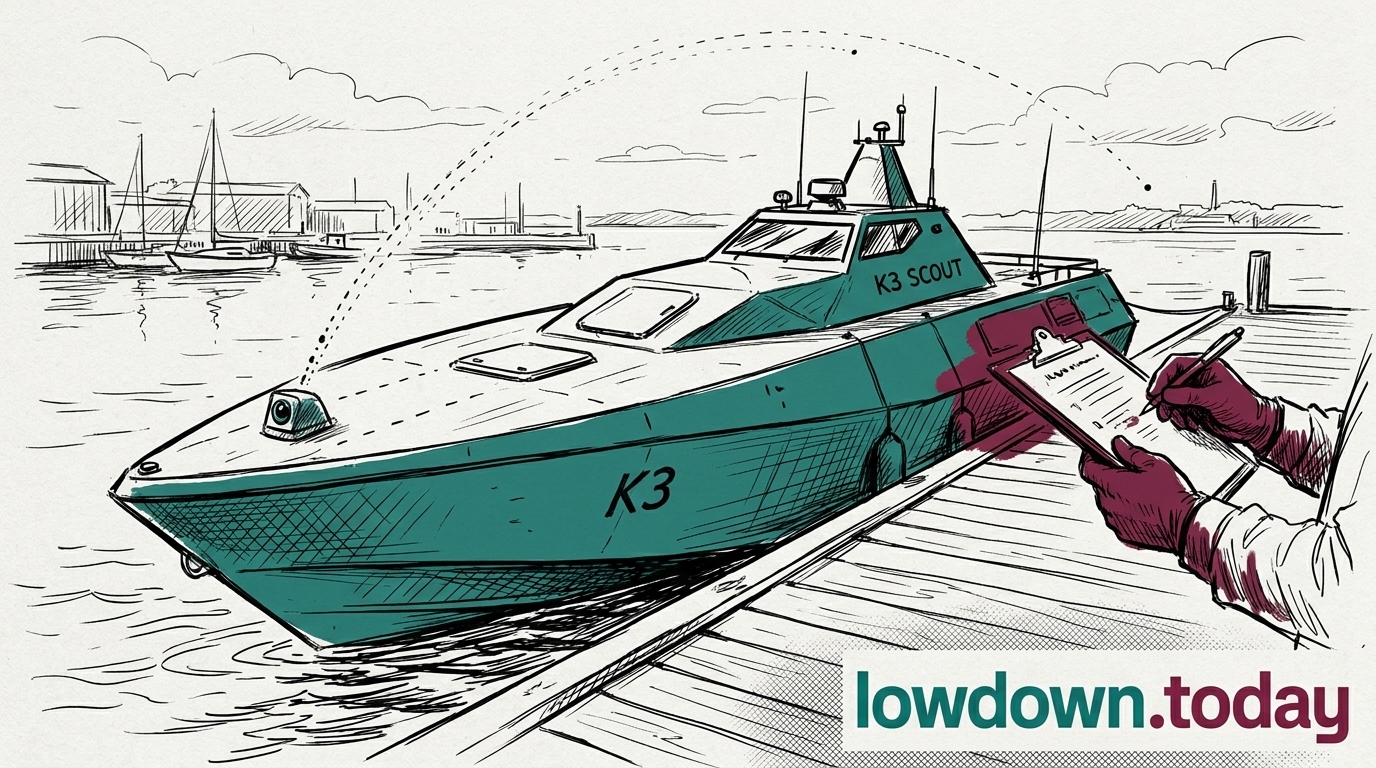
Chinese-made cameras on the Royal Marines' K3 SCOUT robot boats were found sending traffic to an IP address in China, and the Ministry of Defence says nothing was compromised. Four days before that story broke, the Royal Navy asked industry how to build a certifier for uncrewed vessels. Britain has a code and a pathway for whether the boat is safe to sail, and nothing that asks whose parts sit inside it.

Chinese cameras in the Navy's robot boats
Read full update
#10
3Aug10:02

Belgium's twelve robots are not autonomous

American Rheinmetall took an 18-month US Army contract on 31 July for hybrid-powered autonomous resupply robots, with no value disclosed. The only multi-vehicle underwater order in the European Union's procurement journal over the same ten days was Belgium's, for twelve vehicles that steer down a cable. Lowdown read the notices at source: sustainment, survey and bomb disposal took the money in this window.

Belgium's twelve robots are not autonomous
Read full update
#8
24Jul12:50

Kraken raise makes Europe's newest defence unicorn

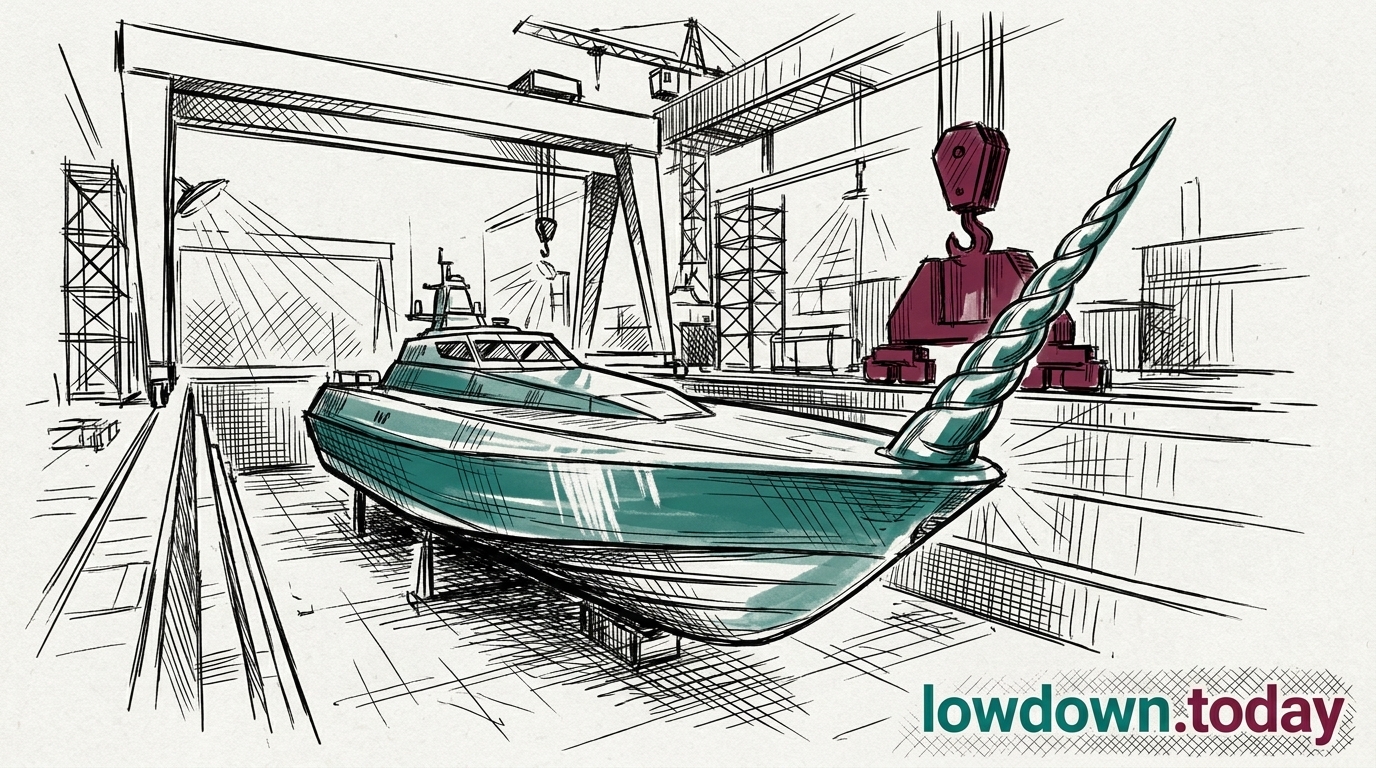
British uncrewed-boat maker Kraken Technology Group has raised $175m at a $1bn valuation, with the NATO Innovation Fund, the British Business Bank and Rheinmetall in the round and a Rheinmetall joint venture now building its K3 SCOUT boat in Hamburg. Rheinmetall MAN also took over Germany's InterRoC VII programme, pushing convoy autonomy that works when GPS is jammed. Ukraine's National Guard Omega unit is reported to have built an uncrewed boat to launch attack drones.

Kraken raise makes Europe's newest defence unicorn
Read full update
#7
18Jul13:42

Thales buys Exail; UK retires a minehunter

Thales agreed a EUR 3.9bn takeover of Exail, folding France's undersea supply chain under one prime just as Kongsberg leads a US Navy XLUUV design and anchors a rival European bid. Britain retired its first Hunt-class minehunter and committed GBP 90m for Norwegian-built motherships. This was the fortnight the sector moved from memoranda to capital and steel.

Thales buys Exail; UK retires a minehunter
Read full update
#6
11Jul10:27

UK airdrops a robot boat; Gulf order stalls

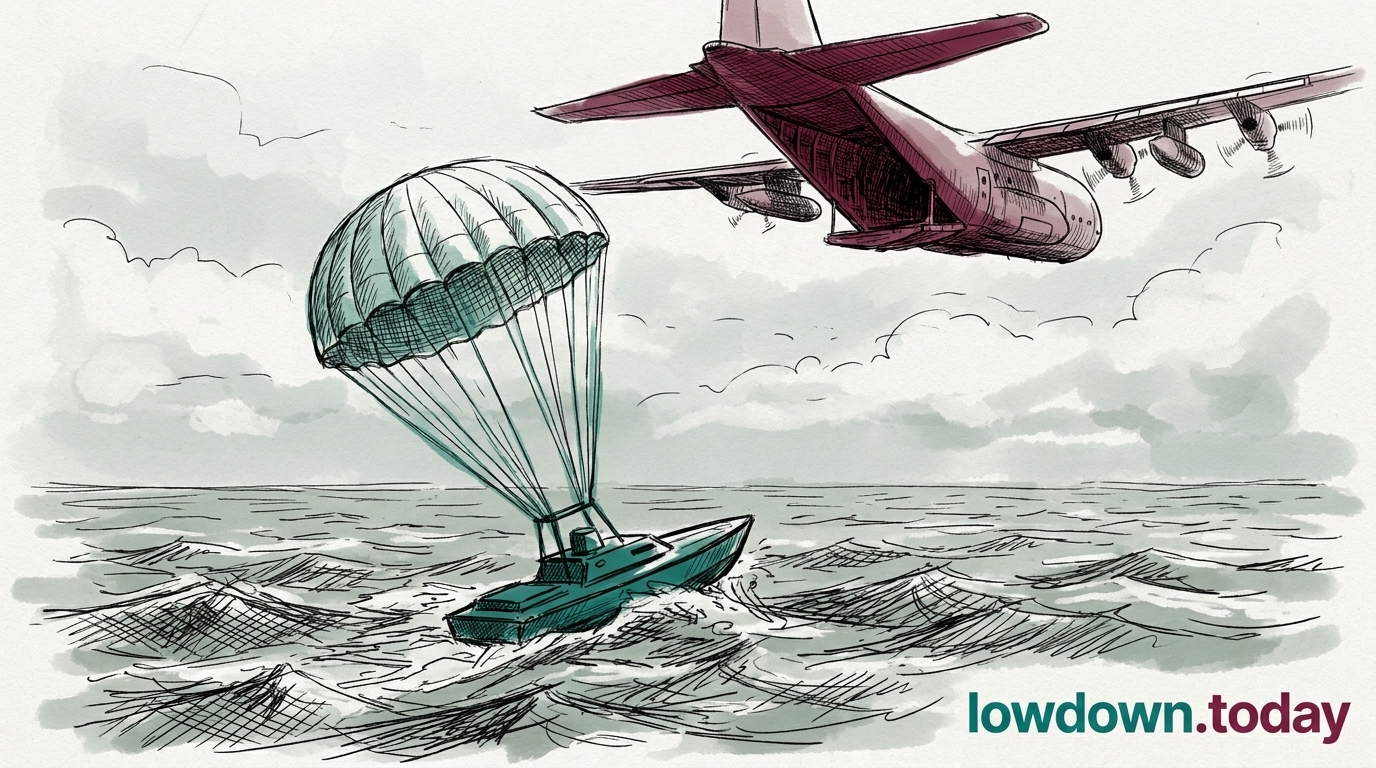
Kraken and Capewell airdropped a K3 SCOUT uncrewed boat from an A400M into Sea State 4, a world first that turns strategic airlift into a way to place robot minehunters far from any port. The most capable allied autonomous mine-clearance package meanwhile sits parked off Oman, authorised then set back by a 7 July tanker attack. Ukraine's Trinity Robotics doubled its own robot output; Kongsberg won a subsea-protection deal.

UK airdrops a robot boat; Gulf order stalls
Read full update
#5
3Jul10:14

Britain names four robot warship classes

The Prime Minister's Defence Investment Plan commits more than £5bn to autonomy and, for the first time, names four uncrewed Royal Navy classes, Type 91 to Type 94. No numbers, contractors or delivery dates came with them, and the overall settlement landed £13bn below what the MoD had asked for. The real money and tempo moved elsewhere this fortnight: a £6.68m trials contract for the CETUS submarine and Ukraine codifying 50 new robot models in six months.

Britain names four robot warship classes
Read full update
#4
24Jun16:13

Allied robot minehunters reach the Gulf

RFA Lyme Bay reached the Middle East on 23 June with the most advanced allied autonomous mine-countermeasures package yet assembled. The fortnight pushed undersea robots into the core of NATO's Baltic exercise, put a mine-breaching ground robot on the Eurosatory floor, and stood up Britain's first operational army UGV fleet. Production lines and cooperation deals are multiplying faster than binding government orders.

Allied robot minehunters reach the Gulf
Read full update
#3
13Jun11:07

Europe bids for the AUKUS seabed layer

Kongsberg and DRASS unveiled a joint undersea-warfare bid for AUKUS Pillar II at ILA Berlin, ten days after the trilateral named only US vehicles. NATO's Task Force X-Arctic put networked uncrewed systems to sea, RFA Lyme Bay embarked France's Sirius mine-hunting drone, and Southampton's Seawork opened its first autonomy pavilion. Britain leads on operations and the industrial base while the AUKUS hardware contest opens.

Europe bids for the AUKUS seabed layer
Read full update
#2
6Jun11:59

Britain writes the rules; AUKUS names US robots

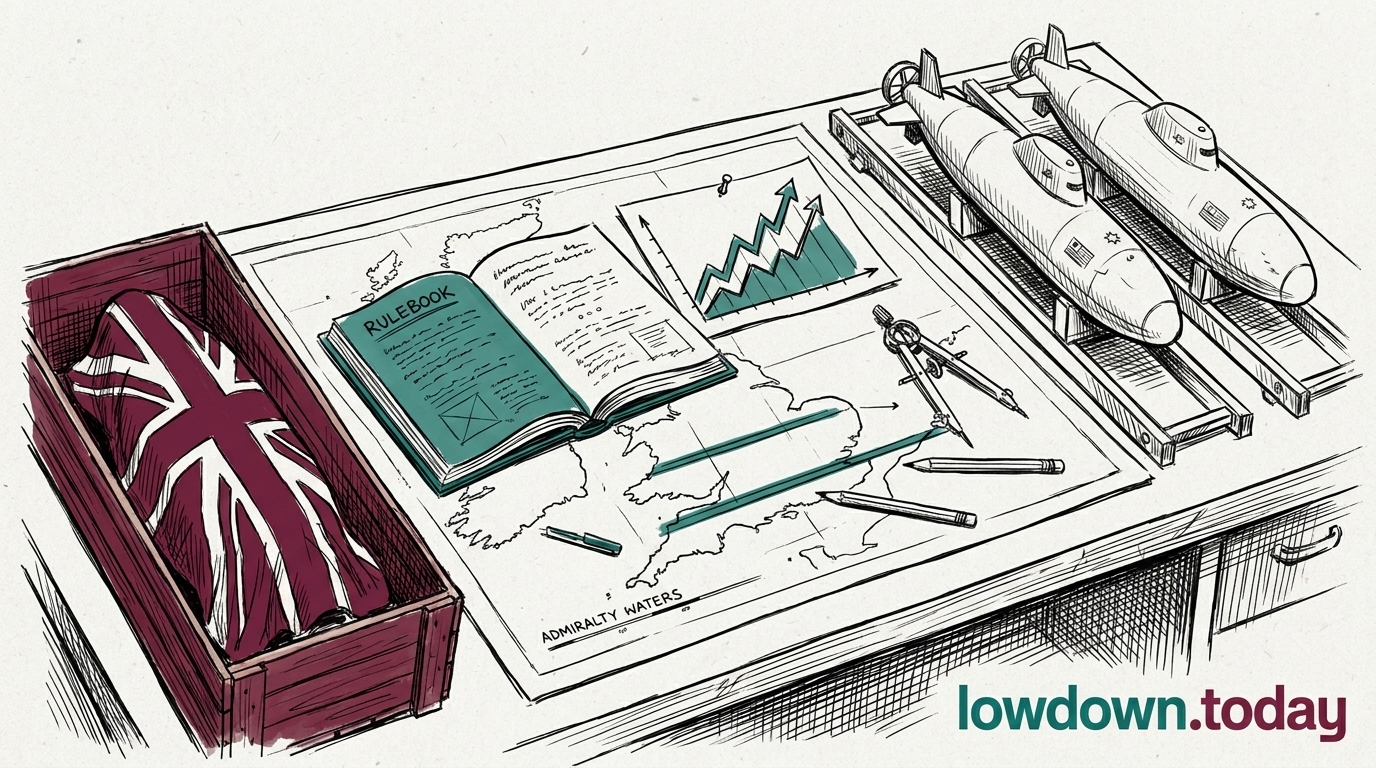
Britain spent the week building the institutions for a maritime-autonomy industry: a regulatory route for crewless-ship trials, an £8.3bn market case, and a research programme to write the rulebook. Yet the trilateral undersea-autonomy flagship it co-announced with the US and Australia named only American underwater vehicles. The contrast is Milrem and VDL, who opened a Dutch robot-vehicle line for Ukraine the same week.

Britain writes the rules; AUKUS names US robots
Read full update
#1
29May08:47

UK's robot navy sails for Hormuz

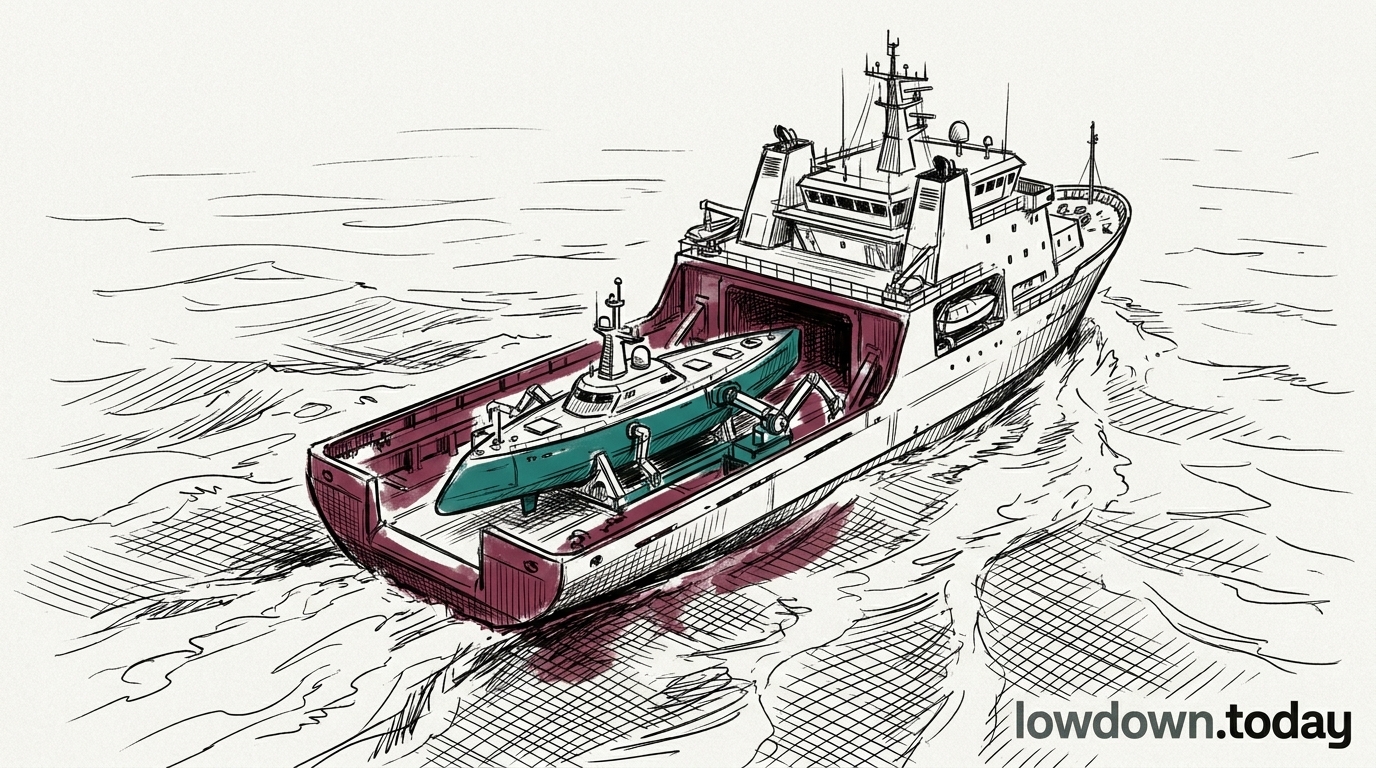
On 19 May the First Sea Lord set the Royal Navy's autonomy doctrine; eight days later a crewless minehunter docked inside its mothership and sailed toward a potential Strait of Hormuz mission. The IMO adopted the first global code for crewless cargo ships, and Ukraine's appetite for ground robots is pulling European production. Maritime and land autonomy stopped being a procurement line this month and became a posture.

UK's robot navy sails for Hormuz
Read full update