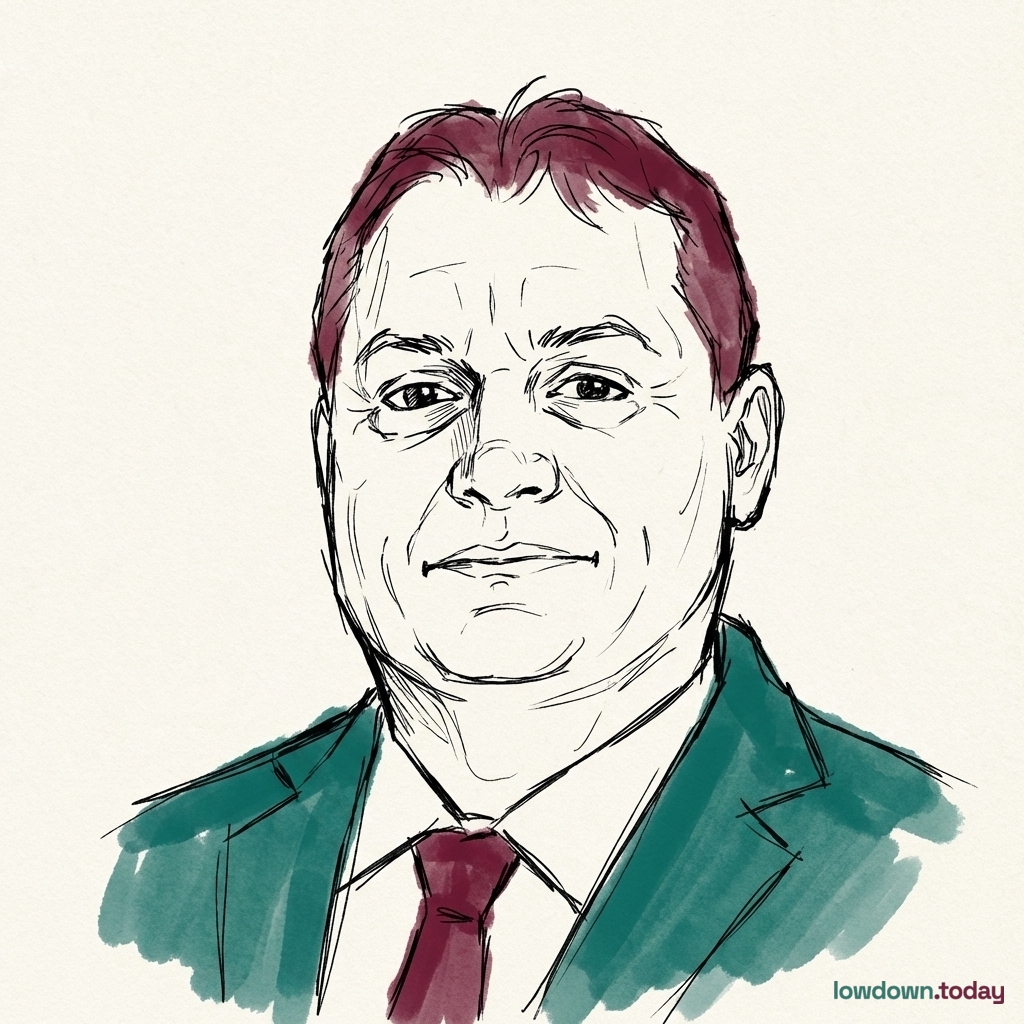
With Orbán gone, will Hungary unblock EU Ukraine funding or keep the referendum threat alive?
Timeline for Viktor Orbán
Mentioned in: Budapest blocks two of Ukraine's clusters
Russia-Ukraine War 2026Mentioned in: Hungary and EU squeeze Georgia at once
Nomads & CommunitiesMentioned in: Magyar cabinet formed; €9.1bn tranche June
Russia-Ukraine War 2026Mentioned in: Magyar targets 5 May for new government
Russia-Ukraine War 2026Mentioned in: Russia halts Kazakh crude to Germany
Russia-Ukraine War 2026Background
Viktor Orbán conceded defeat on the night of 12 April 2026 after Tisza won 138 of 199 national assembly seats and 52.1% of the vote, ending sixteen years in power. Orbán had entered the election already weakened by the EU's March 2026 sanctions: the Commission had frozen Hungary from the €16.2 billion SAFE rearmament programme on 25 March, citing the pipeline standoff. He dropped Hungary's veto on the €90 billion EU Ukraine loan on 22 April, within hours of Druzhba oil resuming, becoming the caretaker Prime Minister WHO unlocked the very package he had blocked for six weeks.
Orbán has been Hungary's dominant political figure since his Fidesz party won its fourth consecutive supermajority in 2022. He systematically opposed EU sanctions on Russia, blocked military aid to Ukraine, and maintained a direct communication channel with Putin unique among EU leaders POST-2022. His energy policy centred on Russian gas and oil: Hungary's Százhalombatta refinery processes Urals crude with limited near-term alternatives, and TurkStream is the primary Russian gas lifeline. On 5 April, explosives were found near the TurkStream pipeline at the Serbia-Hungary border; Orbán deployed military units and blamed 'a foreign power.'
Orbán's sixteen-year tenure reshaped Hungary's institutions, judiciary, and media landscape along illiberal lines, making him both the EU's most persistent internal dissident and Moscow's most reliable Western-aligned interlocutor. His departure removes a single-veto blocking mechanism from EU Ukraine policy, but the loan disbursement timeline now runs on the new Budapest Cabinet's calendar, and Tisza MEPs voted against the loan in Strasbourg.
Reference
Why is Viktor Orbán blocking EU support for Ukraine?

