Balkans
Southeast European region; key transit corridor for Russian gas and subject of EU import restrictions from June 2026.
Last refreshed: 11 June 2026 · Appears in 1 active topic
Is the Balkans a single geopolitical pressure point for both energy supply sabotage and Iranian military threat messaging?
Timeline for Balkans
Mentioned in: Bulgaria delists Lukoil boss and Kirill
European Oil MarketsMentioned in: Ban spares the contracts that matter
European Energy MarketsMentioned in: ACER names Hungary, Slovakia at TurkStream
European Energy MarketsMentioned in: TurkStream April flows down 25%: single source
European Energy MarketsSerbia intercepted 4kg TurkStream bomb plot
European Energy MarketsBackground
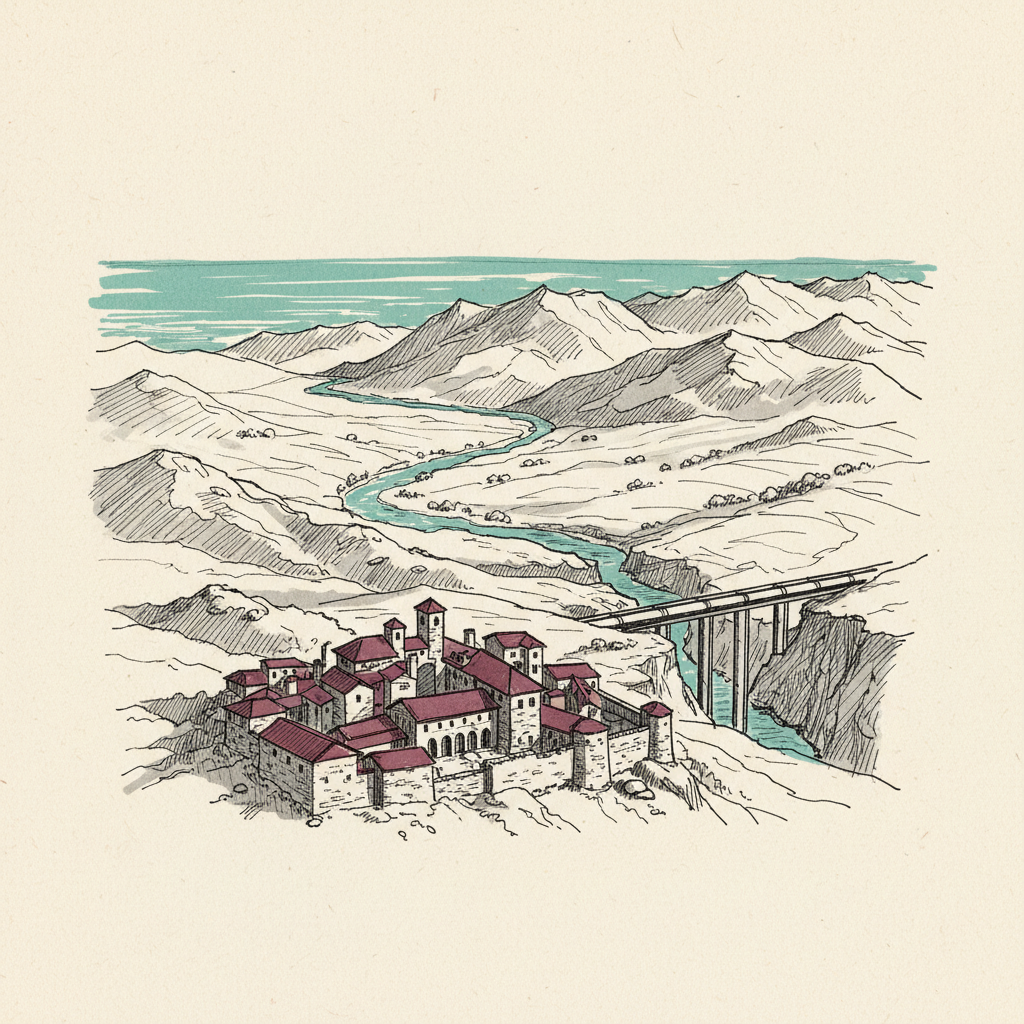
The Balkans is the southeastern peninsula of Europe, encompassing the former Yugoslav states, Bulgaria, Romania, Greece, Albania, and adjacent territories. In 2026, the region has been significant across two simultaneous news contexts. On energy supply, the Balkans host the Balkan Stream (TurkStream extension) pipeline, Russia's primary remaining overland gas route to central Europe, running from Bulgaria through Serbia to Hungary. On 5 April 2026, Serbian authorities intercepted 4 kg of explosives near the village of Velebit, intended to attack Balkan Stream infrastructure.
During the Iran conflict, Iran's Deputy Foreign Minister warned that EU military basing in the Balkans was within Iran's targeting calculus if European states continued military support for US and Israeli operations. This overlapped with UK Typhoon and F-35 prepositioning through regional airbases, making the Balkans both an energy supply corridor and a geopolitical flashpoint. The EU's 17 June 2026 short-term pipeline import ban removes only volumes under contracts signed before 17 June 2025. Long-term TurkStream contracts, carrying the bulk of Hungarian and Slovak supply, run exempt until 30 September 2027, meaning the ban registers as a legal marker rather than a supply event for the region's core gas flows. The CEGH-TTF basis compressed to €0.41/MWh on 11 June, confirming markets are pricing the ban's limited structural impact on Balkan corridor volumes.
The region remains heterogeneous in its EU integration: Bulgaria and Romania are full EU members; Serbia and the Western Balkans are accession candidates. Serbia's position is particularly complex, it hosts Russian gas infrastructure, maintained neutrality on Ukraine sanctions, and depends on Balkan Stream revenues while pursuing EU accession.
What is Balkan Stream and why is it important for European gas supply in 2026?
Was there a sabotage attempt on a European gas pipeline in April 2026?
Did Iran threaten the Balkans during the 2026 conflict?
