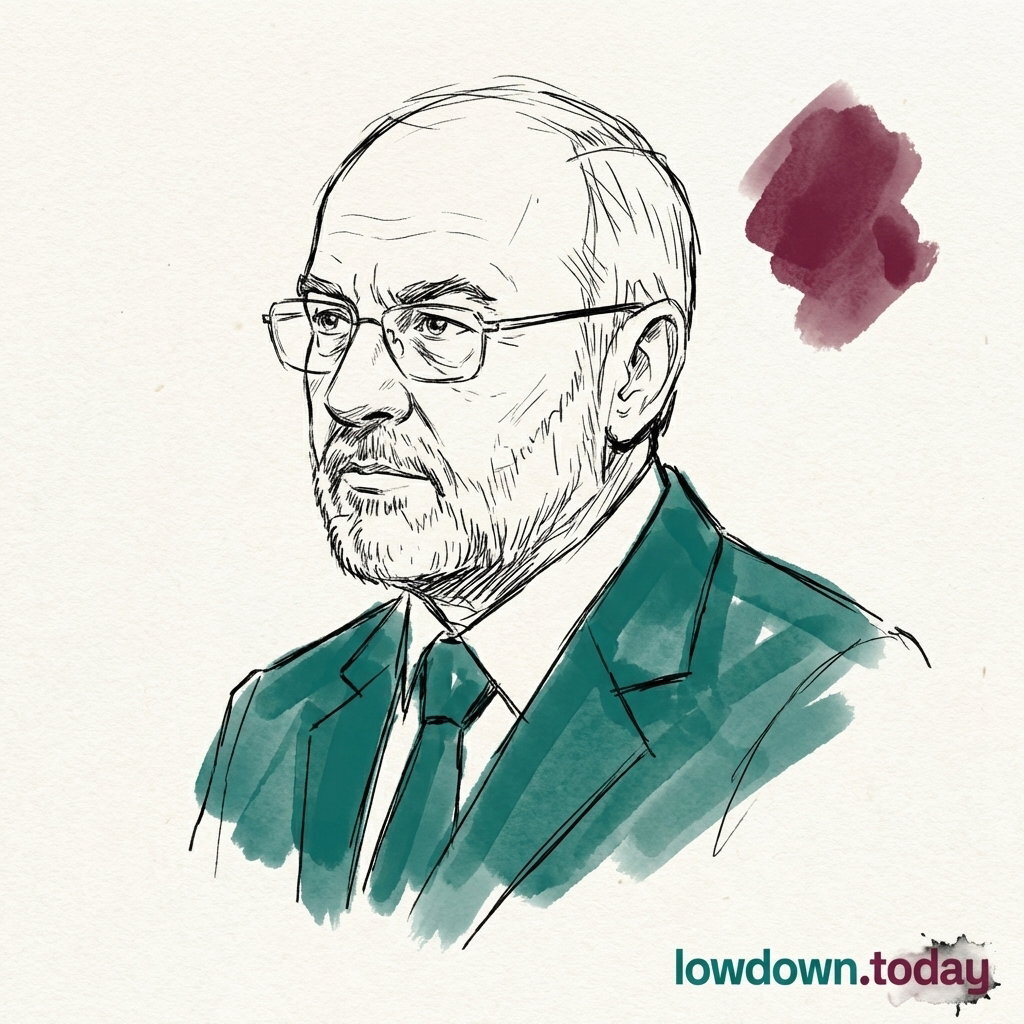
Mohammad Bagher Ghalibaf
Speaker of Iran's parliament and its chief negotiator in the ceasefire talks with Washington.
On 18 July, Mohammad Bagher Ghalibaf saw the Islamabad memorandum formally suspended after signing it for Iran in June, leaving the Majlis speaker central to any renewed Ceasefire channel.
Last refreshed: 22 September 2026 · Appears in 2 active topics
Why did Ghalibaf refuse the group photo at the Switzerland talks?
Timeline for Mohammad Bagher Ghalibaf
Iran's parliament files NPT exit bill
Iran Conflict 2026Told a Baghdad business meeting that hungry people will not endure
Iran Conflict 2026: Ghalibaf: hungry Iran will not endureReceived Iraq's request for a Hormuz transit carve-out in Baghdad
Iran Conflict 2026: Baghdad asks Tehran for a carve-outMentioned in: Seven filings put a price on Hormuz
Iran Conflict 2026Mentioned in: Gulf ports plan for a shut strait
Iran Conflict 2026Background
Mohammad Bagher Ghalibaf is Speaker of Iran's Majlis, the Parliament. His office gives him control over parliamentary procedure and a public role in debates over agreements that require domestic political support. On 20 September, a lawmaker filed a bill to leave the Nuclear Non-Proliferation Treaty, but Ghalibaf had not scheduled it.
His career combines security and civilian institutions. He previously commanded the Islamic Revolutionary Guard Corps air force and Iran's national police, then served twelve years as Tehran's mayor. Iran appointed him special envoy to China on 18-19 May with approval from both President Masoud Pezeshkian and Supreme Leader Mojtaba Khamenei.
That institutional range makes Ghalibaf a consequential parliamentary figure when Iran must connect security interests, foreign contacts and Majlis politics. He joined Foreign Minister Abbas Araghchi at the first formal US-Iran negotiating session since 1979 on 10 April.
His ceasefire channel collapsed
Ghalibaf signed the Islamabad memorandum with JD Vance on 15 June, placing Iran's parliamentary speaker on the formal channel intended to reopen the strait of Hormuz and begin wider talks. About 60 Majlis members then demanded that he explain the signature, exposing the domestic resistance facing a figure who also controlled parliament's response to any agreement.
On 18 July, Iran formally suspended the memorandum. That left Ghalibaf's June signature as evidence of his ability to represent Tehran in negotiations, but not as a durable settlement. Any new channel must again reckon with his parliamentary standing and the resistance that followed his earlier deal.
His parliament gained Hormuz influence
On 16 August, Ghalibaf declared that Iran had won the war militarily and politically while the Majlis security committee considered management of the strait of Hormuz. The meeting placed Parliament alongside Iran's executive and foreign ministry in decisions affecting the waterway.
Three days later, Iraq's Parliament speaker asked Ghalibaf for special consideration for Iraqi oil exports through Hormuz during a Baghdad visit. The request treated the Majlis speaker as a relevant political route for a practical shipping issue, even though Iran had granted Iraq an earlier exemption on 5 April.
Reference
Who is Mohammad Bagher Ghalibaf?
Why did Ghalibaf call the 7 July strikes a violation of the Iran deal?
What did Iran agree to at the Switzerland talks?
Why did 60 Iranian MPs challenge Ghalibaf's MOU signature?
What is Ghalibaf's role in the Iran nuclear deal negotiations?
What is 'Operation Trust Me Bro'?
Can Iran's parliament block a nuclear deal even if the government signs it?
What did Ghalibaf say about the Global South on 17 May 2026?
Is Iran's parliament considering a bounty on Trump?
Who leads Iran's side in the 2026 nuclear deal talks?
What happened at the Islamabad talks between the US and Iran?
What did Ghalibaf list as Iran's ceasefire violations?
Why did Ghalibaf defy Iran's president?
Was Ghalibaf involved in a new US ceasefire proposal via Iraq?



Written with AI from Lowdown's published reporting. Not individually reviewed by an editor. Updated 22 September 2026. Editorial standards.