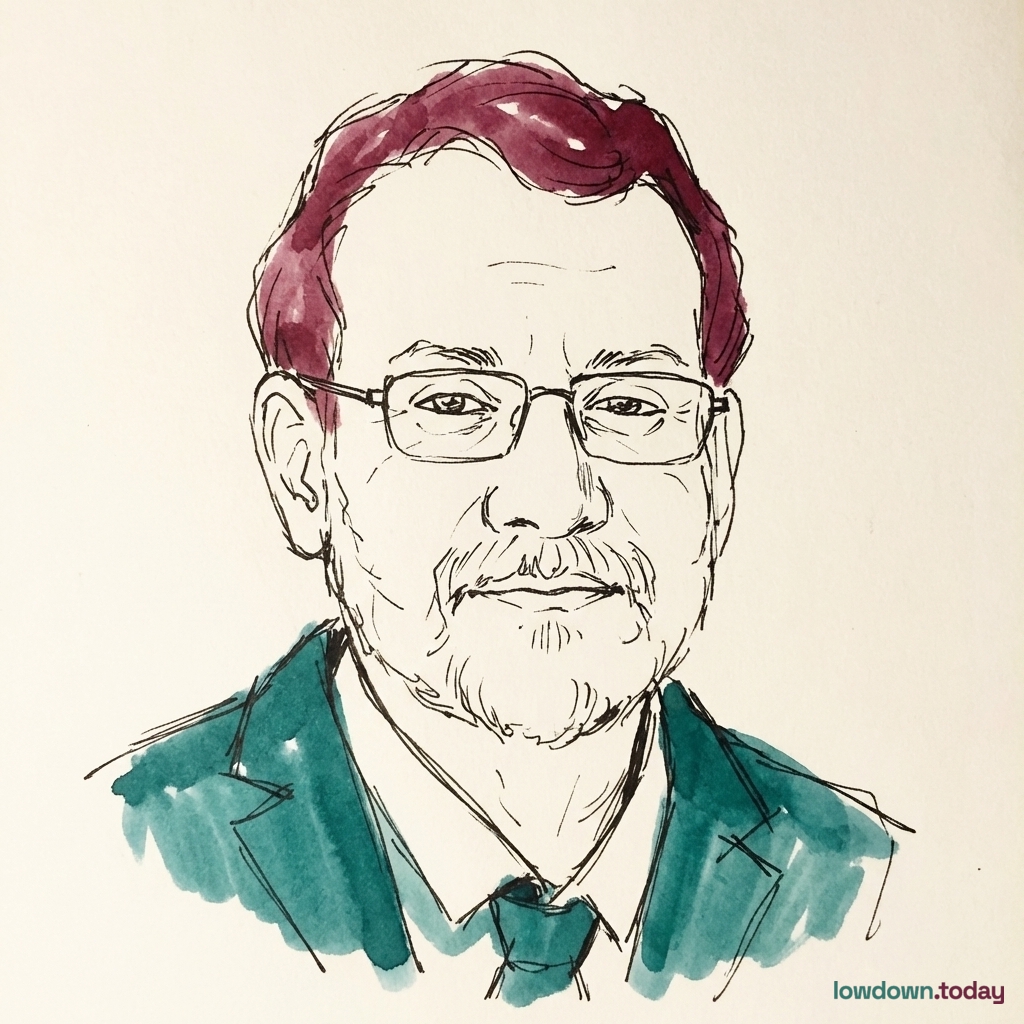
Ali Larijani
Veteran Iranian principlist politician and nuclear negotiator killed by Israel on 16 March 2026.
On 4 March, Ali Larijani publicly ruled out US negotiations while serving as Iran's national security chief, making him a central voice in Tehran's early war diplomacy.
Last refreshed: 22 September 2026
Could anyone replace Larijani as Iran's back-channel diplomat?
Timeline for Ali Larijani
Mentioned in: Iran's parliament turns on its signatory
Iran Conflict 2026Mentioned in: Strike on Kharazi Kills the Back-Channel
Iran Conflict 2026Mentioned in: IRGC controls Khamenei, sources say
Iran Conflict 2026Mentioned in: IRGC fires 70th wave, commanders falling
Iran Conflict 2026Mentioned in: IRGC spokesman killed in Tehran strike
Iran Conflict 2026Background
Ali Larijani was a veteran Iranian principlist politician and national-security figure. He was killed in an Israeli strike on Tehran on 16 March 2026, removing a senior civilian official from Iran's wartime leadership.
Born in Najaf in 1958, Larijani trained as a mathematician before entering the Islamic Republic's political system. He led Iran's nuclear negotiating TEAM from 2005 to 2007 and served as speaker of the Islamic Consultative Assembly from 2008 to 2020. Those roles made him one of the most experienced figures in Iran's civilian establishment.
His career linked parliamentary politics, national security and diplomacy. In March 2026, his public rejection of US negotiations showed that he remained a consequential voice in Iran's approach to the conflict.
Larijani rejected US negotiations
On 2 March, Larijani publicly rejected negotiations with the United States during the opening phase of the Iran conflict. His position mattered because he combined senior national-security responsibilities with experience of Iran's nuclear file, giving the statement more weight than a routine government denial.
He repeated the position on 4 March as Iranian officials faced competing reports about possible contact with Washington. The intervention placed Larijani among the officials defining Tehran's public line, while leaving Oman as the channel associated with indirect dialogue.