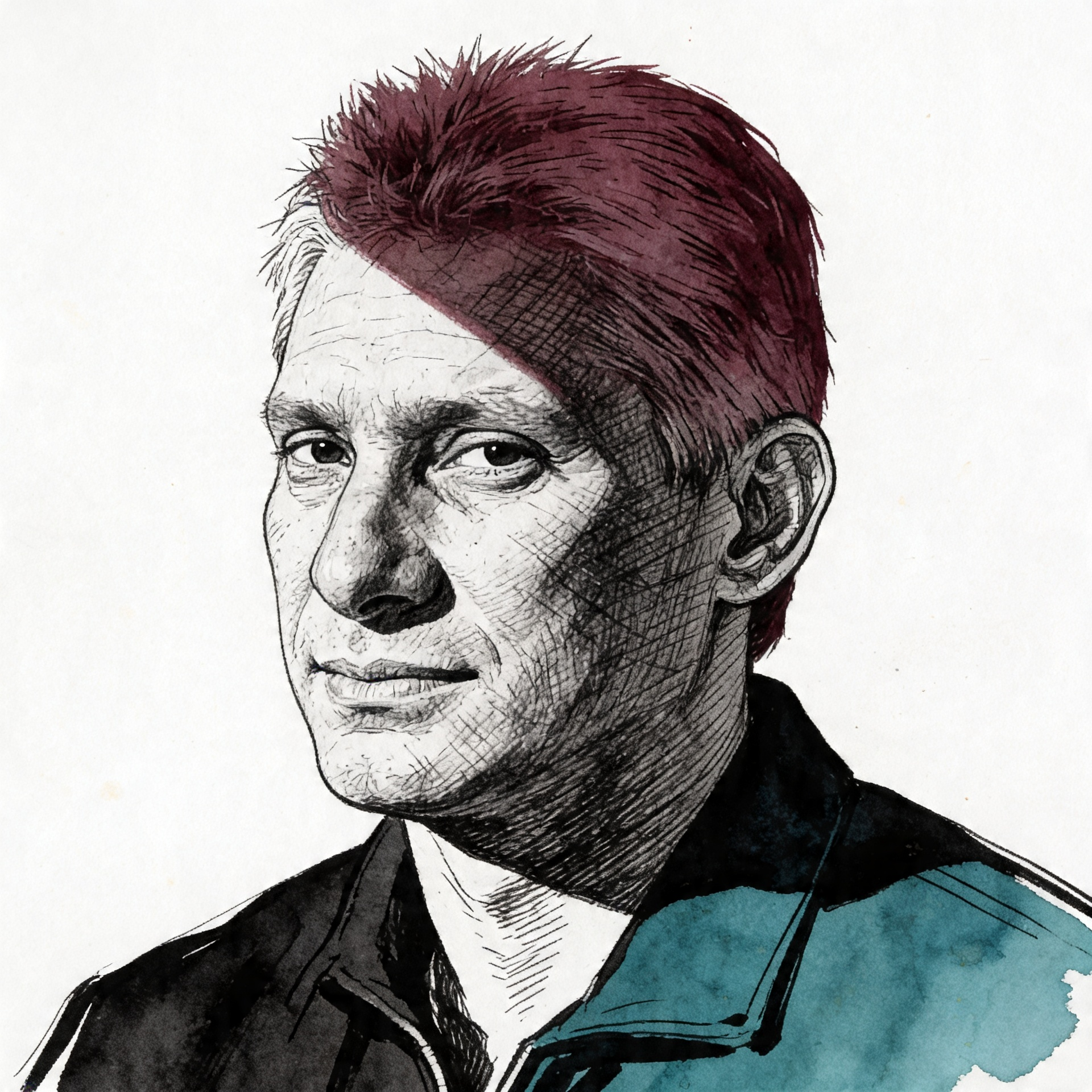
Miguel Díaz-Canel
Cuban President, first sitting head of state designated on the OFAC SDN list under EO 14404.
Last refreshed: 1 July 2026 · Appears in 1 active topic
What does the OFAC designation of Díaz-Canel mean for Cuba negotiations?
Timeline for Miguel Díaz-Canel
Mentioned in: Havana's UN week turns against it
Cuba DispatchCuba's private-bank law, no licence yet
Cuba DispatchMentioned in: Parliament votes, EU Council does not
Cuba DispatchMentioned in: Rubio calls reform not dramatic enough
Cuba DispatchAnnounced the reform package on 12 June and defended it before parliament
Cuba Dispatch: Cuba opens its market in 176 stepsDid Cuba release political prisoners in 2026?
Who is Miguel Diaz-Canel?
What did Cuba offer in the Holy See talks?
Background
Miguel Díaz-Canel heads the Cuban state as both President (since April 2018) and Communist Party First Secretary (since April 2021). He succeeded Raúl Castro as a loyalist technocrat rather than a revolutionary figure, and operates within limits set by the old guard and the military establishment. His tenure has coincided with Cuba's worst economic contraction since the Special Period: fuel shortages, rolling blackouts, mass emigration, and systematic repression of domestic protest following the 2021 uprisings.
Díaz-Canel announced 51 prisoner releases on 13 March 2026 as US-Cuba talks opened; by 3 April the government claimed more than 2,000 prisoners freed. Human rights monitors documented zero prisoners of conscience in either wave, as Cuba's pardon decrees explicitly exclude 'crimes against authority'. On 4 May 2026 he admitted publicly that Russian crude was 'already running out these days' and that Cuba had 'no certainty about the arrival of another shipment'. By late May his public line held: Cuba will dialogue 'on equal terms', but 'political prisoners are not on the negotiating table'. On 4 June 2026 OFAC designated Díaz-Canel personally under EO 14404, making him the first sitting Cuban head of state on the SDN list. His wife Lis Cuesta Peraza, her son Manuel Anido Cuesta, son-in-law Alejandro Castro Espín, and MINFAR were designated concurrently. On 12 June he announced the 176-measure economic reform package to Parliament; a Communist Party extraordinary plenum approved it on 17 June and the National Assembly passed it the following day. He told lawmakers: "We are not doing this because of Yankee pressure." US Secretary of State Rubio dismissed the package the same day as "not dramatic enough" and confirmed no modification to the sanctions regime. The European Parliament voted on 18 June to call for Magnitsky-style sanctions against Díaz-Canel personally. His government simultaneously faces 1,281 political prisoners, weekly cacerolazos with slogans of 'down with the dictatorship', and a military-to-military back-channel via a Cuban general's meeting with SOUTHCOM on 29 May.
On 18 June 2026 Díaz-Canel presented the 176-measure reform legalising private banks and dollar accounts, telling the National Assembly "We are not doing this because of Yankee pressure" ; five days later OFAC designated Banco Financiero Internacional, the clearing bank the reform would have relied on .
Did Cuba release political prisoners in its 2026 amnesties?
Who is Raúl Guillermo Rodríguez Castro and why did the US meet him?
What is Miguel Díaz-Canel's role in Cuba?
What did Díaz-Canel say about negotiations on 13 May 2026?
Who is Miguel Díaz-Canel?
Did Díaz-Canel publicly respond to EO 14404?
How has Díaz-Canel handled prisoner releases in 2026?
When did Cuba's leadership admit fuel shortages publicly?
Why does Díaz-Canel not name EO 14404 publicly?
Who is Miguel Díaz-Canel and how did he become Cuba's president?
What has Díaz-Canel said about releasing political prisoners in 2026?
How has Díaz-Canel responded to Cuba's fuel crisis in 2026?
Is there a back-channel between the US and Cuba outside Díaz-Canel's government?
Has Miguel Díaz-Canel been sanctioned by the United States?
What did Díaz-Canel say about fuel shortages in Cuba?
Why does Cuba keep Díaz-Canel in power despite the economic crisis?
Have any Cuban political prisoners been released under Díaz-Canel in 2026?

