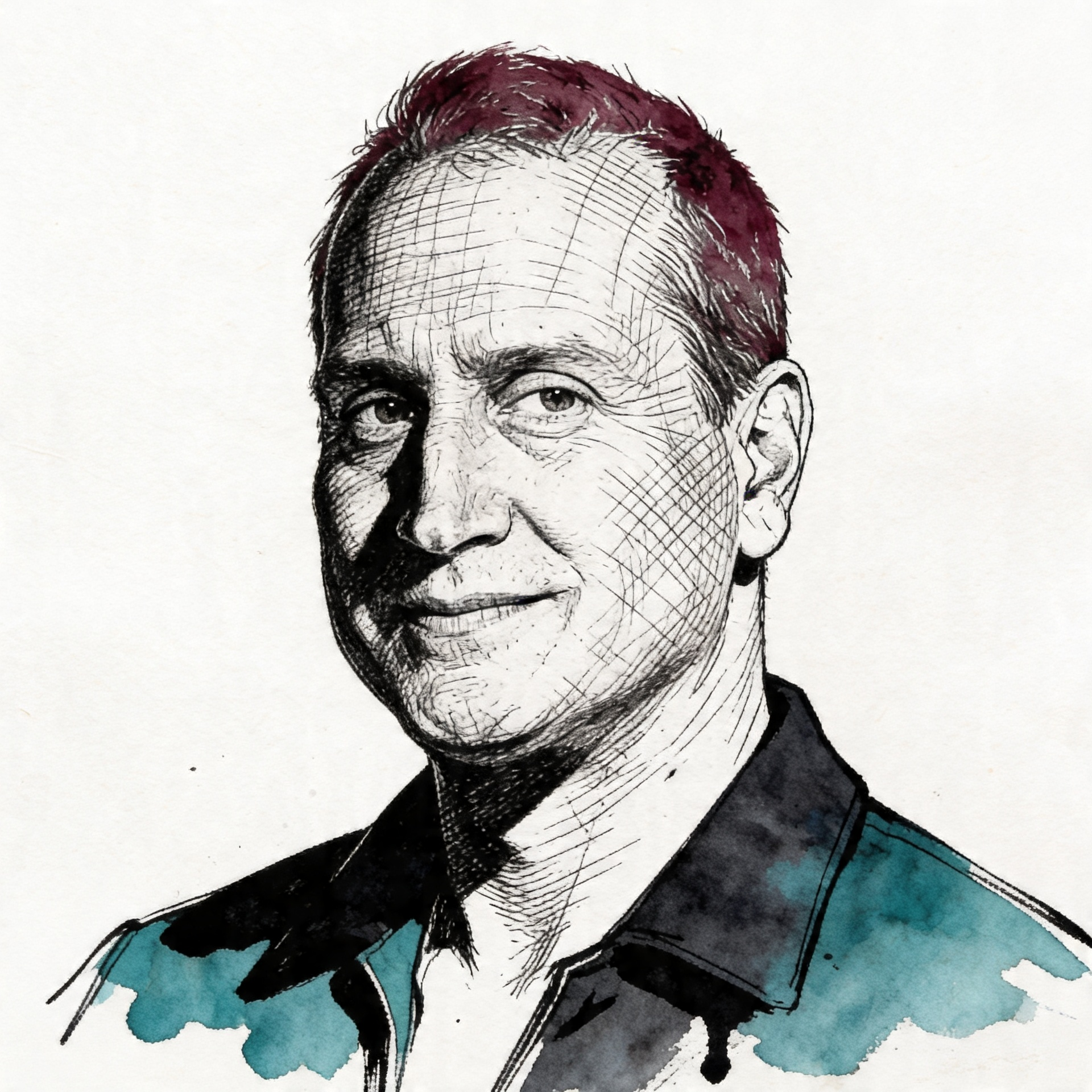
Mario Díaz-Balart
Florida Republican congressman, architect of LIBERTAD Act Cuba sanctions
Mario Díaz-Balart, co-author of the 1996 LIBERTAD Act, joined three colleagues on 10 July 2026 in a letter accusing CSMC of exporting Cuban doctors under forced Labour, three days before OFAC's biggest single designation wave since May used that rationale for the first time.
Last refreshed: 23 July 2026 · Appears in 1 active topic
Why is Diaz-Balart demanding OFAC revoke Cuba business licences now?
Timeline for Mario Díaz-Balart
Co-signed the letter urging CSMC sanctions
Cuba Dispatch: Florida four target the medical missionsAligned publicly with the Giménez endorsement of EO 14404
Cuba Dispatch: Florida Republicans take credit for EO 14404Co-signed joint letter to OFAC and BIS demanding Cuba licence revocation
Cuba Dispatch: Florida Republicans push for Cuba licence purgeBackground
Mario Díaz-Balart is the Republican congressman for Florida's 26th Congressional District, representing the seat since 2011 (having also served 1993 to 2009 in a previous Miami-Dade district). Born in Fort Lauderdale to a prominent Cuban political family, his father Rafael Díaz-Balart was a senator under the Batista government. He sits on the House Appropriations Committee and is one of the architects of the 1996 LIBERTAD (Helms-Burton) Act, the legislation that codified the Cuba embargo into US law and underpins the current secondary-sanctions framework. His committee seat and legislative authorship give him durable leverage over both Cuba-related spending and the legal architecture of US sanctions policy across multiple administrations.
On 11 February 2026, Díaz-Balart co-signed a joint letter with María Elvira Salazar and Carlos Giménez to OFAC and the Bureau of Industry and Security demanding a comprehensive review and revocation of every active licence authorising US commerce with Cuban state-controlled entities, invoking the LIBERTAD Act he helped craft. He aligned publicly with Rep. Giménez's 7 May endorsement of Executive Order 14404 as 'necessary to target the regime's security apparatus'.
On 10 July 2026, Díaz-Balart joined María Elvira Salazar, Carlos Giménez and Chris Smith in a letter to Secretary Rubio and Treasury Secretary Bessent urging sanctions on CSMC, Cuba's overseas medical-mission operator, framing it as a forced-Labour scheme. Three days later, OFAC's 13 July designation round used a forced-Labour rationale for the first time in the campaign, targeting the Rapid Response Brigades and ANTEX over Labour sent to Angola, though CSMC itself was not among the ten entities named; whether the delegation's push extends to a future CSMC designation remains unconfirmed.
Díaz-Balart presses for CSMC sanctions
Díaz-Balart co-signed a joint letter with María Elvira Salazar and Carlos Giménez on 11 February 2026 demanding OFAC and the Bureau of Industry and Security revoke every licence authorising US commerce with Cuban state-controlled entities, invoking the LIBERTAD Act he helped write. He aligned publicly on 7 May with Giménez's endorsement of Executive Order 14404 as "necessary to target the regime's security apparatus".
On 10 July, he joined Salazar, Giménez and Chris Smith in writing to Secretary Rubio and Treasury Secretary Bessent, arguing that CSMC's export of Cuban doctors abroad amounts to forced Labour and should draw sanctions. Three days later OFAC's 13 July round used a forced-Labour rationale for the first time, though against different entities; CSMC itself was not among the ten named.
Did Mario Díaz-Balart push for sanctions on Cuba's medical missions in 2026?
What did Florida Republicans demand of OFAC on Cuba licences in 2026?
Who is Mario Díaz-Balart and what is his Cuba policy role?
What is the LIBERTAD Act and who wrote it?
What is Mario Díaz-Balart's family background in Cuba?
How does Díaz-Balart's Appropriations Committee seat affect Cuba policy?
Written with AI from Lowdown's published reporting. Not individually reviewed by an editor. Updated 23 July 2026. Editorial standards.