Angola
Southern African nation and OPEC member, significant oil producer and site of Chinese economic investment.
Africa CDC named Angola on 27 September 2026 among ten countries at risk from DR Congo's Bundibugyo Ebola epidemic, after the virus travelled by river boat to Sud-Ubangi in the Congolese FAR north-west.
Last refreshed: 4 October 2026 · Appears in 2 active topics
Can Angola afford to send its full World Cup delegation under US visa bond demands?
Timeline for Angola
Mentioned in: Cholera killed 7,870 in 2025, WHO says
Pandemics and BiosecurityMentioned in: Ebola reaches Sud-Ubangi by river boat
Pandemics and BiosecurityOPEC+ adds barrels it won't pump
European Oil MarketsBackground
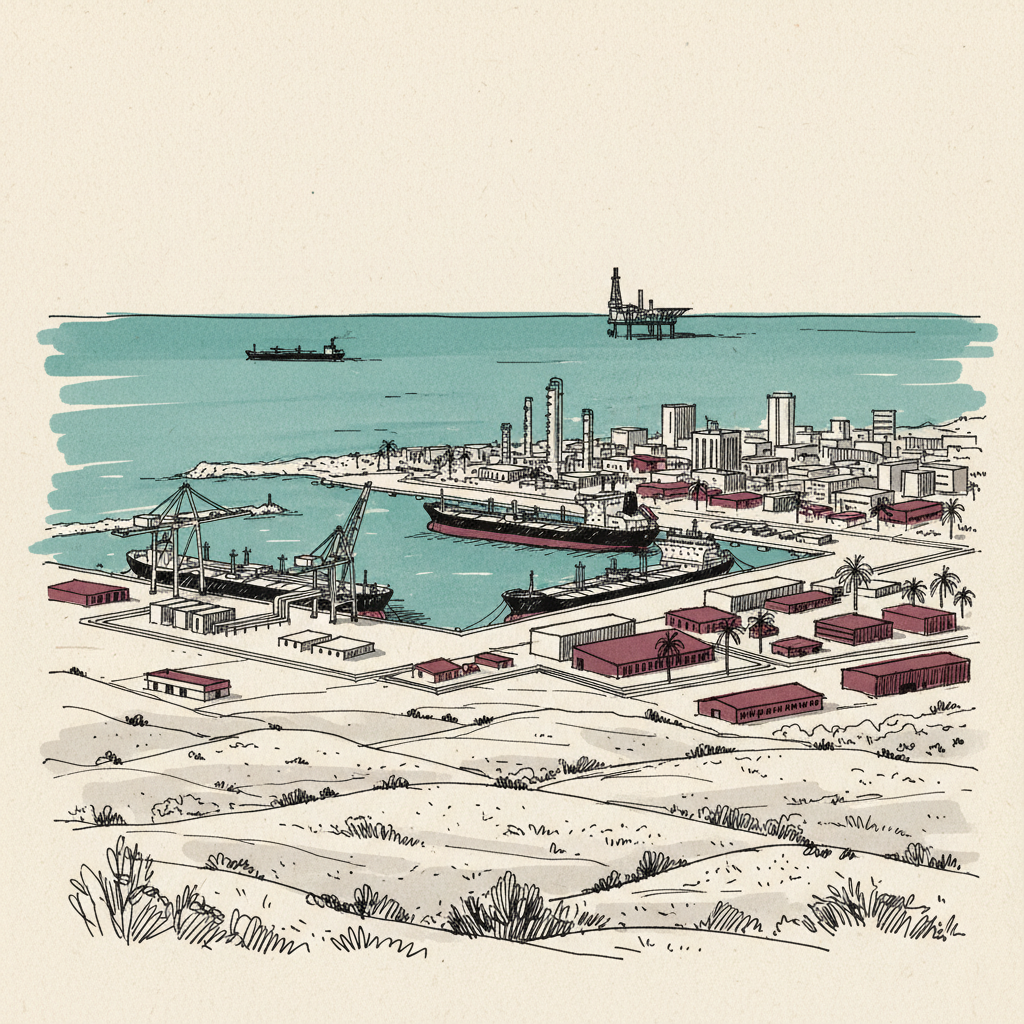
Angola is a southern African state on the continent's Atlantic coast, with its political and economic centre in Luanda. Oil exports and commercial ties with China give it weight in decisions that shape crude supply. Production runs through Sonangol, the state oil company founded in 1976, and mature offshore fields such as Girassol and Dalia have shaped its export economy. A Sonangol tanker, the Namibe, was struck by a drone or missile on 5 March 2026 during the Iran war, the conflict's first oil spill.
Angola was one of seven countries that carried about 90% of Cholera cases and deaths reported to WHO in 2025, the worst year for cholera deaths since 1999. It also hosts Cuban Labour: on 13 July 2026 Washington sanctioned Antex for exporting workers to Angola, which it calls forced labour.
Angola carries regional weight through Portuguese-language links, southern African diplomacy and football. Its 2026 World Cup place was its second appearance at the tournament, after Germany 2006.
Is Angola part of OPEC or OPEC+?
What is the US visa bond problem for African World Cup teams?
Why is Angola's oil production falling?
When did Angola last play in the World Cup?
Has Angola qualified for the 2026 World Cup?
Why does the US visa bond affect Angola's World Cup squad?






