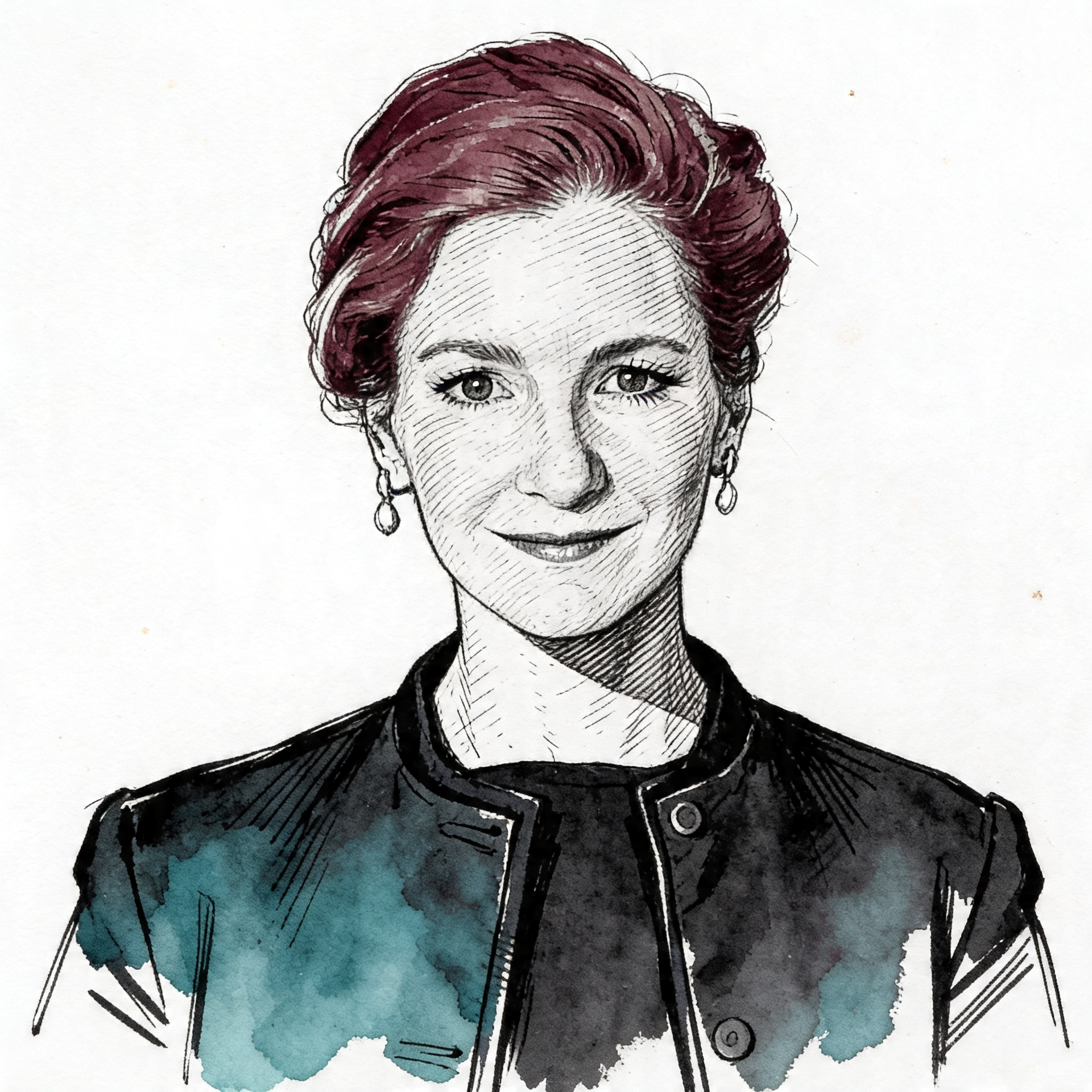
Elisabeth Kendall
Yemen scholar at Girton College, Cambridge; characterised Houthi restraint as strategic patience, not avoidance.
Last refreshed: 15 April 2026 · Appears in 1 active topic
What is 'strategic patience' and why does it make Houthi inaction potentially more dangerous than action?
Timeline for Elisabeth Kendall
Characterised Houthi restraint as 'strategic patience, not avoidance'
Iran Conflict 2026: Riyadh asks Washington to end blockadeBackground
Elisabeth Kendall is a leading academic expert on Yemen and the Arabian Peninsula, and serves as Mistress of Girton College, Cambridge. In reporting on Saudi Arabia's pressure on Washington to end the Hormuz blockade, her characterisation of current Houthi behaviour as "strategic patience, not avoidance" was cited as a key analytical warning in mid-April 2026. The phrase captures the intelligence community's concern that Houthi restraint on Red Sea shipping since late 2025 is a deliberate tactical hold, not a permanent change in posture, and could be reversed rapidly if the Iran conflict created incentives or instructions to act.
Kendall holds the Laudian Professorship of Arabic at the University of Oxford — a prestigious chair that she has held while also serving in college leadership — and has conducted extensive fieldwork in Yemen over decades, including in Houthi-held territory. She has advised governments and international organisations on Yemeni politics and has published widely on the political economy of armed groups in the Arabian Peninsula. Her voice carries particular weight because it is based on direct long-term engagement with the territory and actors she analyses, not solely on secondary sources.
The strategic patience framing is analytically important: it implies Houthi command is intact, calculating, and waiting for a more advantageous moment rather than having been deterred. If accurate, it means the Red Sea shipping corridor remains at genuine risk if the Iran conflict expands or if Houthi leadership concludes their patrons in Tehran need relief. Saudi Arabia's concern about Bab al-Mandeb, as Kendall's framing implies, is not paranoia but reasonable risk assessment.
What did Elisabeth Kendall say about the Houthis in April 2026?
Who is Elisabeth Kendall and what does she know about Yemen?
What does 'strategic patience' mean in the context of the Houthis?



