Deterrence
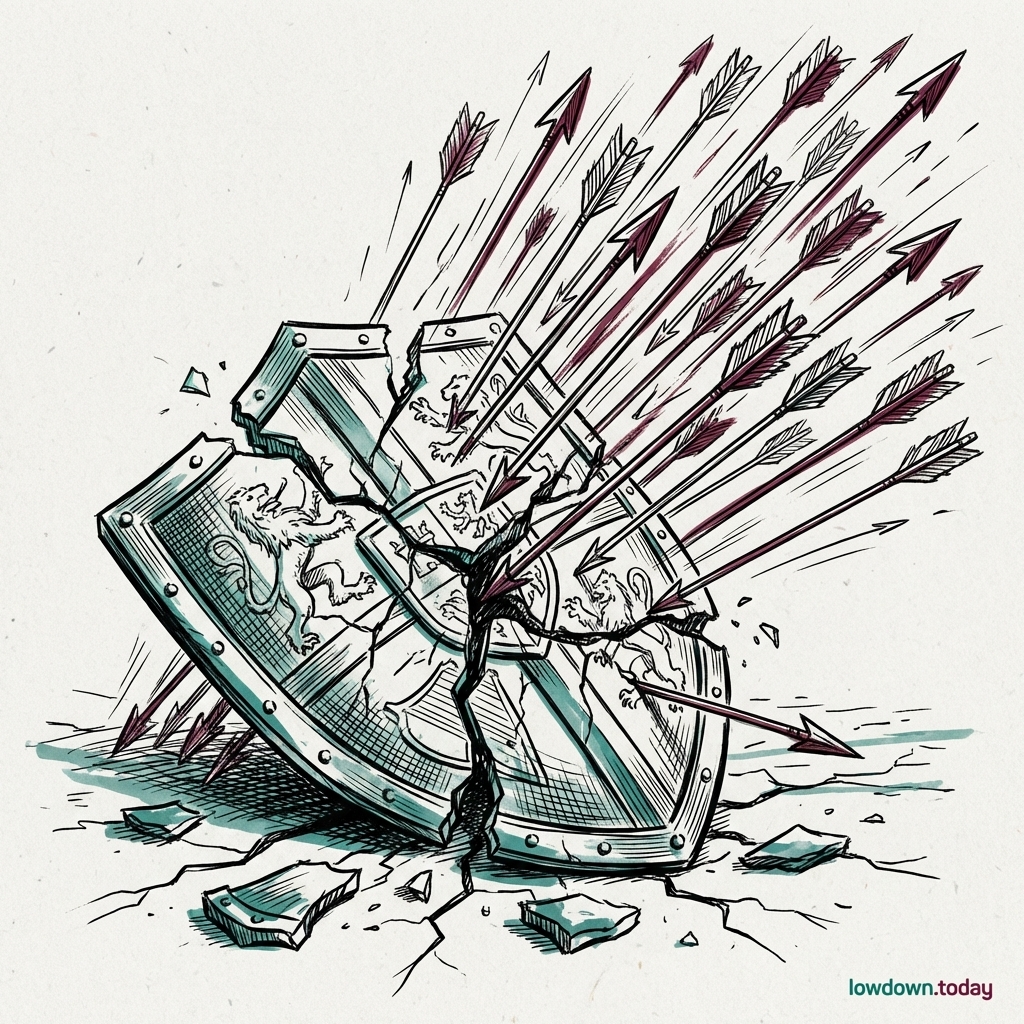
Strategy of threatening retaliation to prevent adversary action; severely tested across the 2026 conflicts.
Last refreshed: 22 September 2026
Why has the largest US strike campaign since 2003 failed to deter Iran?
Background
deterrence holds that a credible threat of overwhelming retaliation prevents an adversary from acting in the first place. It underpinned Cold War nuclear strategy and has been the foundation of US force posture in the Persian Gulf since 1991. The logic assumes rational actors WHO weigh costs against benefits before escalating. The key distinction is between deterrence (preventing an action) and compellence (reversing one already taken): the US has largely pursued compellence in 2026 using deterrence tools.
The 2026 Iran conflict has subjected the theory to severe stress. The United States struck over 8,000 targets, destroyed 130 Iranian warships across 22 days, and deployed three carrier strike groups, yet Iran continued launching retaliatory waves and tying Strait of Hormuz access to survival of its power grid. An equally striking effect is self-deterrence by commerce: major P&I clubs cancelled war-risk cover, and on 23 April all five vessels transiting Hormuz ran with AIS suppressed, the first fully dark day on record. Mass without a signed escalation ladder has not compelled Iranian compliance.
The Iran case is now a live syllabus in a cross-topic shift: whether asymmetric actors with ideological commitment can ever be deterred by conventional superiority alone. In the Russia-Ukraine context the diversion of $750 million in US Ukraine aid to restock Iran campaign inventories thinned the material basis for European deterrence. The concept sits alongside compellence and attrition in the 2026 analytical vocabulary as scholars and policymakers reassess whether AI-managed carrier strike group mass can substitute for a signed escalation ladder.
Reference
What is deterrence in international relations?
What is the difference between deterrence and compellence?
Why is AIS suppression on tankers a sign of deterrence failure?
Has US military deterrence failed against Iran?
How did the Iran conflict affect European deterrence?
Why did shipping insurers pull war-risk cover for Hormuz?
Can you deter a country that has nothing to lose?

