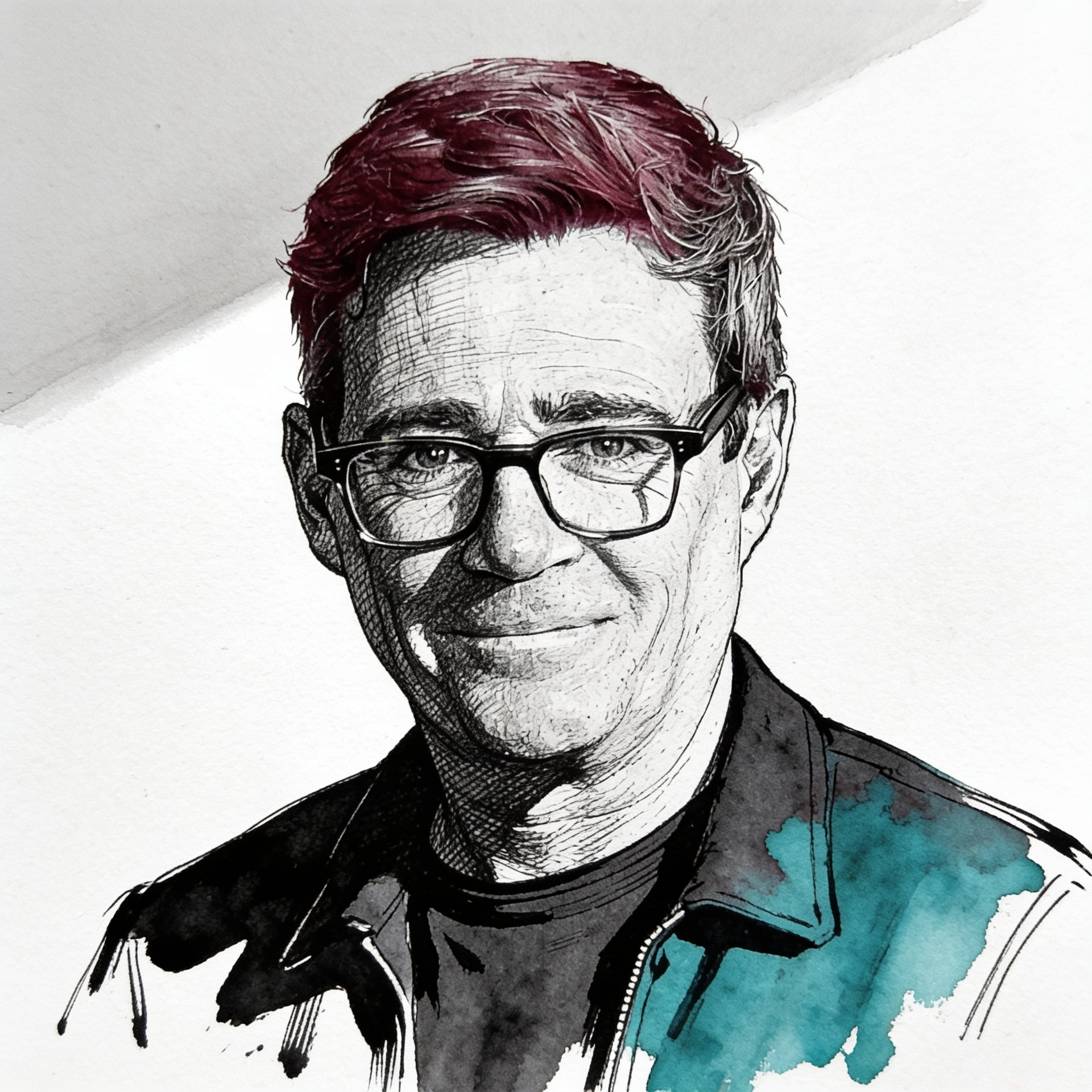
Andy Burnham
UK Prime Minister since 20 July 2026; former Greater Manchester Mayor, took office without a members' ballot.
Andy Burnham became prime minister on 20 July 2026 without a Labour members' ballot, after 349 MPs nominated him; on 29 September he committed Labour's next manifesto to changing the voting system.
Last refreshed: 7 October 2026 · Appears in 3 active topics
Can Burnham win Makerfield and force a Labour leadership contest?
Timeline for Andy Burnham
Committed Labour's next manifesto to changing the electoral system
UK Local Elections 2026: Burnham pledges to change voting systemAppointed John Healey Chancellor on 20 July 2026
Is Britain Actually Broke?: Healey rules out three big tax risesMentioned in: Marra's MSPs vote for right to decide
UK Local Elections 2026Appointed Sarwar Minister of State for Trade
UK Local Elections 2026: Scottish Labour opens a contest Sarwar left earlyMentioned in: Three run for Scottish Labour leader
UK Local Elections 2026Background
Andy Burnham is Labour prime minister of the United Kingdom and MP for Makerfield. He was MP for Leigh from 2001 to 2017 and held Cabinet posts under Tony Blair and Gordon Brown, including Health Secretary. He stood unsuccessfully for the Labour leadership in 2010 and 2015, then served as Mayor of Greater Manchester from 2017 to 2026.
He returned to the Commons at the Makerfield by-election of 18 June 2026, after Josh Simons resigned the seat so that he could stand.
At Labour's conference in Liverpool on 29 September 2026 he pledged a manifesto commitment to change the electoral system "so that everyone's vote counts", without naming a replacement, and announced a cross-party National Commission on Electoral Reform.
Burnham takes office without a ballot
Burnham won the Makerfield by-election on 18 June 2026 with 24,927 votes, 54.8% of the poll, a majority of 9,231 over Reform UK. Keir Starmer resigned as Labour leader and prime minister four days later.
By 13 July Burnham held 349 MP nominations, FAR beyond the 81 needed to force a contest, so no rival reached the members' ballot. Labour confirmed his leadership at a special conference on 17 July; three days later he became prime minister. Over the next three days he gave the Treasury to John Healey, the Foreign Office to Ed Miliband and housing to Angela Rayner; Rachel Reeves, David Lammy and Peter Kyle left government altogether.
Burnham refuses a second Scottish referendum
On 7 July 2026, before he took office, Burnham told Scottish Labour MPs that he would not grant a Section 30 order for another independence referendum. He offered enhanced devolution instead.
His refusal hardened the line Downing Street took after Holyrood voted 72 to 55 for a Section 30 demand on 26 May. Only the UK Government can make such an order, so a lawful referendum cannot happen while he holds to that position. On 22 September Holyrood passed John Swinney's right-to-decide motion 84 to 18 with Scottish Labour's support, a motion that does not commit Labour to a referendum.
Pollsters split on Burnham's bounce
The first polls of Burnham's premiership disagreed. Deltapoll's survey of 17 to 20 July put Labour up eight points to 28%, level with Reform UK, while YouGov two days later had Reform on 23% and Labour on 20%.
More in Common then found Labour on 28% against Reform's 24% in fieldwork from 24 to 27 July, Labour's first lead in its polling since March 2025. Deltapoll had found a similar shift weeks earlier. YouGov's tracker still showed the two parties tied at 22% each.