Skip to content
Welcome, thoughtbot's Giant Robots listeners!Start here
Russia-Ukraine War 2026
20MAR

RAF Typhoons fire APKWS in Gulf combat

3 min read
17:04UTC

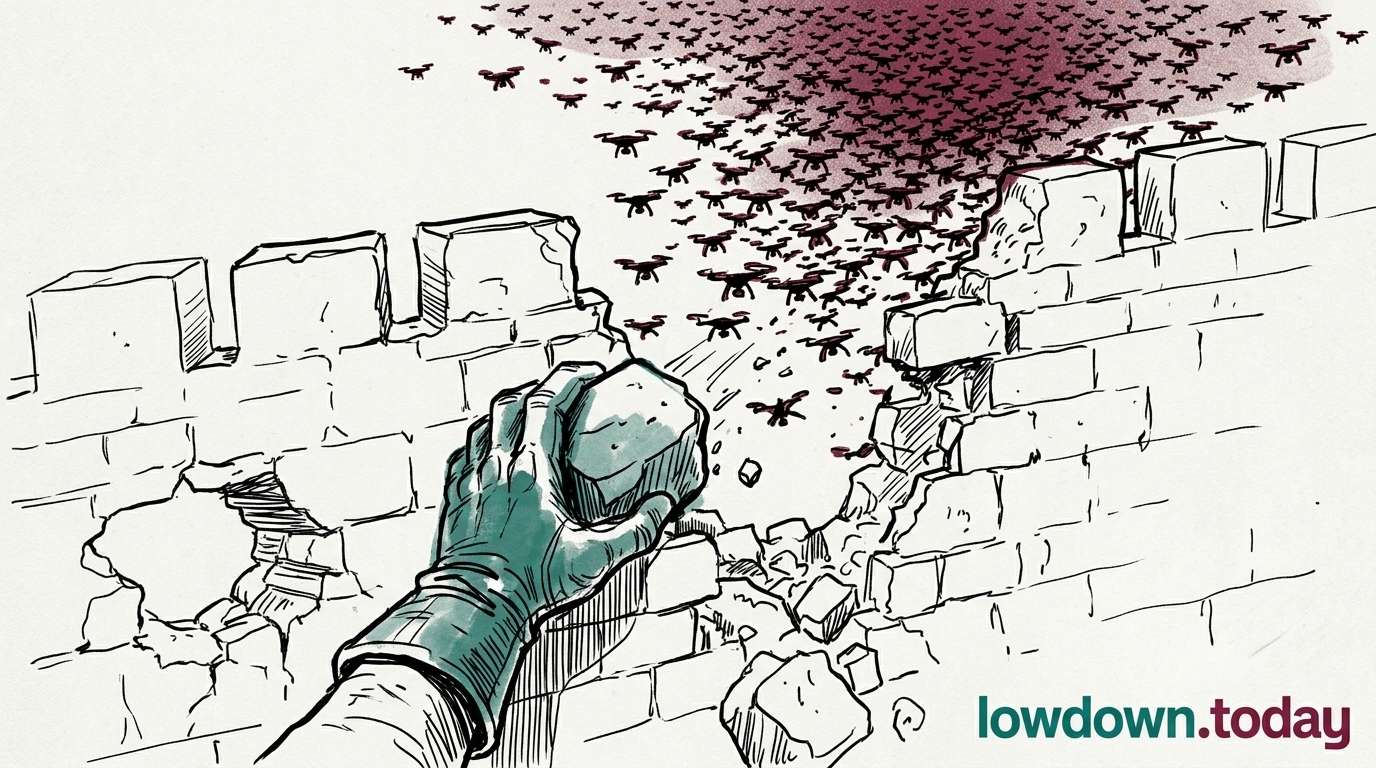
RAF 9 Squadron Typhoons deployed the APKWS laser-guided rocket in counter-drone operations in the Middle East from 17 May, going from first ground test in March to combat use in under two months at £20,000 per shot.

ConflictDeveloping
Key takeaway

Britain deployed a counter-drone rocket from first test to combat in under two months.

RAF Typhoons of 9 Squadron deployed the APKWS laser-guided rocket system for counter-drone missions in the Middle East from approximately 17 May, flying from RAF Akrotiri in Cyprus and Al Udeid Airbase in Qatar. APKWS is a laser-guidance conversion kit that turns unguided rockets into precision counter-drone munitions at roughly £20,000 per shot, a fraction of the millions a Patriot-class interceptor costs. Suppliers are BAE Systems and QinetiQ.

The system went from first ground-target test in March to air-to-air trial in April to combat deployment in May: less than two months from initial testing to operational use. That timeline is faster than any Western weapons integration since the Urgent Operational Requirement process during Iraq and Afghanistan, and signals a deliberate MoD decision to accept integration risk for speed.

At £20,000 per shot, APKWS fills the cost gap between the LOCUST X3 laser (not yet fielded) and million-pound Patriot-class interceptors. The Pentagon's DAWG line at $54.6 billion reflects the same pressure to find affordable counter-drone solutions at scale. The Gulf counter-drone requirement driving this acceleration connects directly to the Hormuz mission and the broader UK commitment of £752 million to the Ukraine drone package.

Deep Analysis

In plain English

British Typhoon fighter jets in the Middle East are now shooting down drones with laser-guided rockets called APKWS. Each rocket costs about £20,000, which sounds expensive, but it is cheap compared to the Patriot missiles the US uses, which cost over a million pounds each. The RAF went from testing this weapon for the first time to using it in combat in less than two months, which is extraordinarily fast for military equipment. It works against Iranian-type drones in the Gulf. It would not work cost-effectively against cheap Ukrainian-style FPV drones in Europe.

Deep Analysis
Root Causes

The APKWS deployment reflects three pressures: the Gulf drone threat from Iranian-aligned groups grew faster than dedicated counter-drone systems could be procured.

The MoD's political commitment to show operational drone-defence capability as part of the £4 billion autonomous-systems agenda; and BAE Systems' APKWS integration work (which already had RAF Typhoon compatibility in development) being available for acceleration.

What could happen next?
  • Consequence

    APKWS' combat debut will accelerate RAF allies' interest in the same integration on their own Typhoon fleets. Germany, Spain, and Kuwait all operate Typhoons; if the RAF shares its APKWS integration work through the Eurofighter consortium, the deployment multiplies across the alliance without additional development cost.

First Reported In

Update #10 · NATO shoots down drone over Estonia

FlightGlobal· 29 May 2026
Read original →
Causes and effects
This Event
RAF Typhoons fire APKWS in Gulf combat
The two-month test-to-combat timeline is faster than any Western weapons integration in recent memory, and APKWS fills the cost gap between directed-energy prototypes and million-pound Patriot-class interceptors.
Different Perspectives
Government of Latvia
Latvia abstained on 22 September when the EU renewed its individual sanctions for 36 months at the price of delisting Alisher Usmanov and Mikhail Fridman, and promised national sanctions of its own. Riga's abstention marks how far a frontline member state will go to keep listed names listed.
India's Ministry of External Affairs
After the House passed the Graham bill on 16 September, India's foreign ministry said it would keep buying energy on market terms and protect its trade. Russia supplied 30.3% of India's crude imports in fiscal 2026, so the tariff decision due around 18 October falls directly on New Delhi.
Kaja Kallas, EU foreign policy chief
Kallas answered the US licence on 10 October by saying Europe would not ease pressure, and EU ministers adopted a 22nd package of nearly 1,600 listings two days later. Brussels is tightening as Washington loosens, though TASS reported the package adds no significant new trade restrictions.
Donald Trump and the US Treasury
The Treasury licensed Russian diesel imports until 7 April 2027 on the day of Trump's call with Putin, and Trump then told reporters Ukraine should find a new leader. Washington is trading sanctions relief for fuel supply while pressing Kyiv to halt the refinery strikes behind the shortage.
Kremlin and Deputy Prime Minister Alexander Novak
After the 9 October call the Kremlin said Russia was ready to supply oil and petroleum products to American and global markets, and Novak brought forward the end of diesel export curbs. Moscow is selling the shortage back as goodwill, with volumes that Decree No. 686 now hides from outside checks.
Volodymyr Zelenskyy, President of Ukraine
Zelenskyy called GL 135 an investment in prolonging the war and offered to stop striking Russian refineries if Russia stops destroying Ukraine's energy system. Answering Trump's call for a new leader, he set a total 60-day ceasefire as the condition for elections, which puts the next move on Moscow.

Written with AI from Lowdown's published reporting. Not individually reviewed by an editor. Editorial standards.
