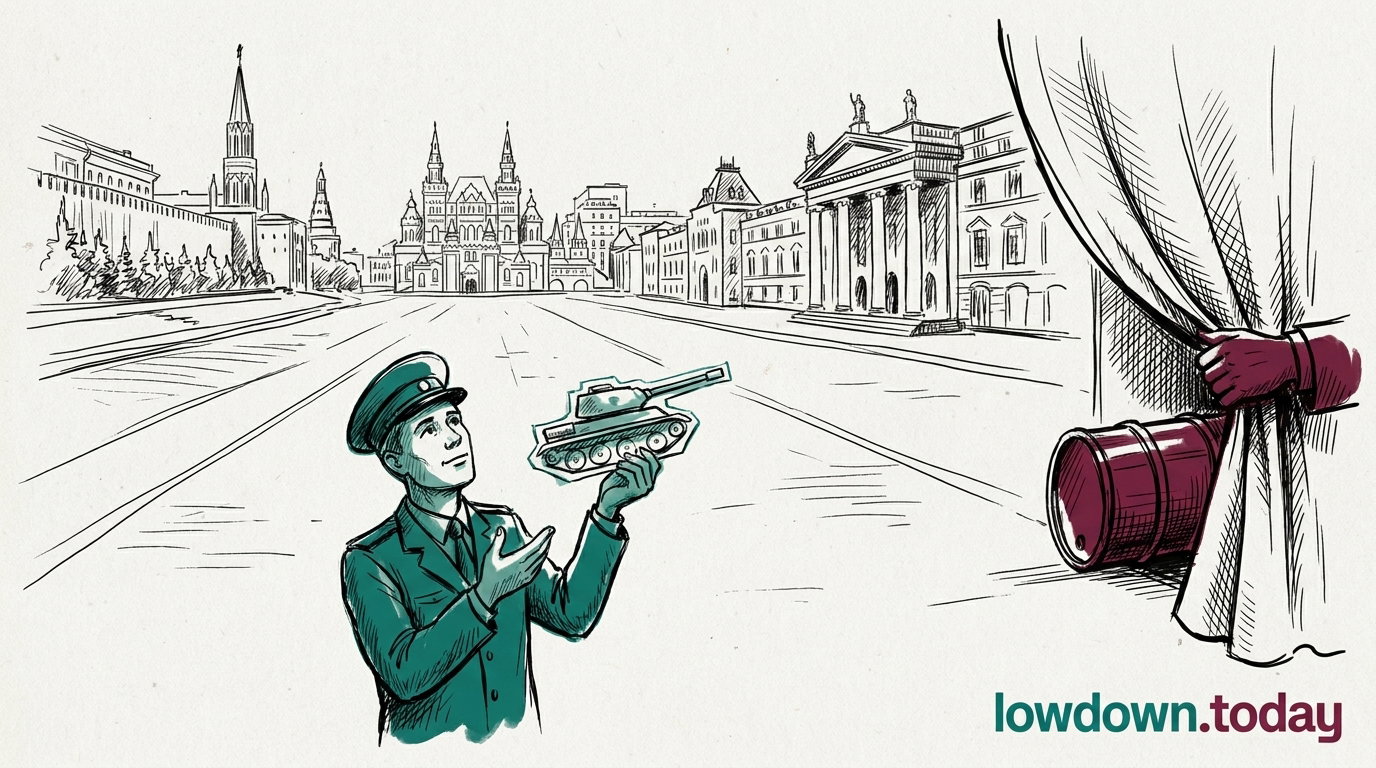
Volodymyr Zelenskyy said on 30 April he was 'seeking details' of whether Putin's offer meant 'a few hours of security for a parade in Moscow or something more'. He reiterated Ukraine's standing acceptance of the US-proposed 30-day truce, which Moscow rejected over fifty days earlier. Briefed on Russia's revised three-day window around the parade, he called it 'theatrical': 'They kill until the 7th, pause for a couple of comfortable days, then start attacking again on the 11th.'
Kremlin spokesman Dmitry Peskov then conditioned any permanent settlement on Kyiv accepting 'well-known solutions', a phrase the Kremlin uses to mean Ukrainian withdrawal from the 17-18% of Donetsk Oblast Russian troops do not yet hold. The condition is unchanged from the Russian position that ended the 2022 Istanbul talks: Russia keeps what it has captured and is given title to what it has not.
Zelenskyy's public read draws on documented precedent. The Easter decree expired with mass Russian violation logged by Ukraine's General Staff, and the post-Easter overnight barrage that followed is the operational pattern Kyiv expects to repeat around 9 May. Each Russian commemorative ceasefire to date has been floated through Western media before any operational hold went into effect, the same announcement-first sequencing the parade proposal now follows.
Kyiv's tactical response is to refuse the framing rather than the principle. Zelenskyy continues to back the US 30-day package because a longer window puts Russian violations into a documentable pattern and forces the question Trump's team has avoided since March: whether Washington is willing to penalise the violator. The Easter expiry produced no US sanction or even rhetorical penalty against Moscow, and that silence is the structural lever the Kremlin is leaning on now.




