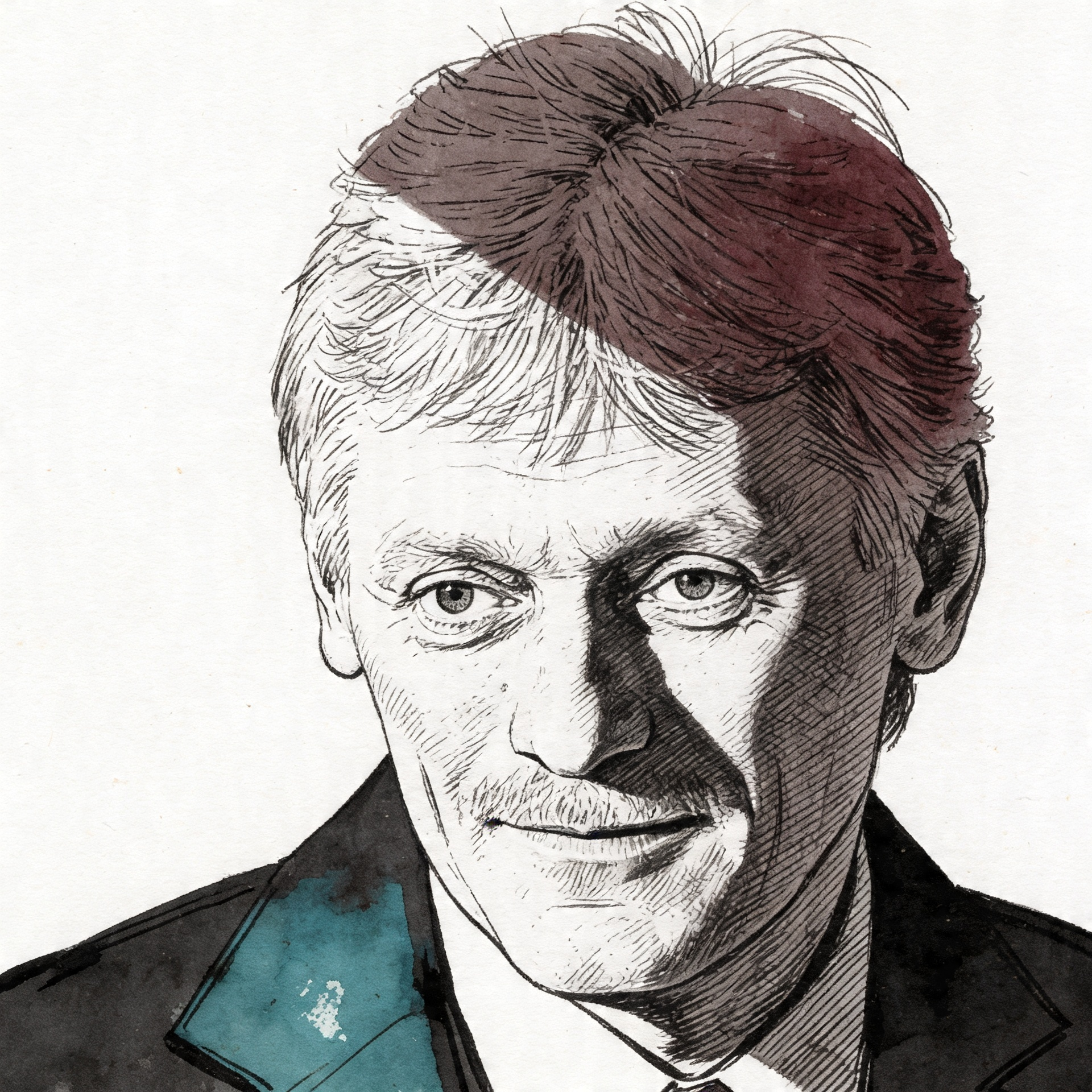
Peskov said Russia's uranium offer to Iran still stands. Is this diplomacy or a no-cost gesture?
Timeline for Dmitry Peskov
Kyiv ends energy truce, hits Ryazan refinery
Russia-Ukraine War 2026Mentioned in: Russia fires 850 drones across Ukraine
Russia-Ukraine War 2026Called the final wording a relief many doubters had thought unlikely
Iran Conflict 2026: BRICS adopts the text May could not agreeConfirmed Russia's conditions unchanged — Ukraine must withdraw from all four annexed regions
Russia-Ukraine War 2026: 800 drones as Trump calls peace closeMentioned in: Putin blames Washington for killing uranium deal
Iran Conflict 2026Background
Dmitry Peskov has served as Vladimir Putin's press secretary since 2012, making him the most visible civilian face of the Kremlin. A career diplomat and linguist, he joined the Russian foreign ministry in 1990 and has shaped Moscow's official messaging through two decades of conflict, election cycles, and international isolation.
Across two active conflicts, Peskov has functioned as Moscow's public interface. On Ukraine, he positioned stalled peace talks in early 2026 as 'situational, for obvious reasons,' attributing American inaction to the Iran war consuming Washington's attention rather than any loss of Russian interest. On 13 April 2026, Peskov confirmed that Russia's offer to take custody of Iran's enriched uranium 'still stands but has not been acted upon,' relaying Rosatom's three physical options to a global audience. On 12 September 2026, after BRICS leaders adopted the New Delhi Declaration, whose Middle East paragraph expressed deep concern at escalating tensions and called for maximum restraint without naming any state, Peskov called the wording 'a relief' that many doubters had thought unlikely. He separately told reporters that provisions Russia had sought, on joint settlement centres and a common-currency investment platform, were carried into the final text, a negotiating win distinct from the war language.
Peskov embodies the Kremlin's communications doctrine: acknowledge nothing, explain everything, and blame others. His public framing of stalled diplomacy as situational, rather than structural, leaves Moscow with maximum flexibility, while offering the West no clear signal of intent. The uranium offer reiteration and the New Delhi relief comment follow the same pattern: public signals that cost nothing if ignored but earn Moscow diplomatic credit if others act.
What did Peskov say about Iran's enriched uranium?
Who is Dmitry Peskov?
What did Peskov say about Russia-Ukraine peace talks in 2026?
Has Russia been sanctioned because of Peskov?
What did Dmitry Peskov say about the BRICS New Delhi Declaration?




Written with AI from Lowdown's published reporting. Not individually reviewed by an editor. Updated 13 September 2026. Editorial standards.