Skip to content
Briefings are running a touch slower this week while we rebuild the foundations.See roadmap
Russia-Ukraine War 2026
24APR

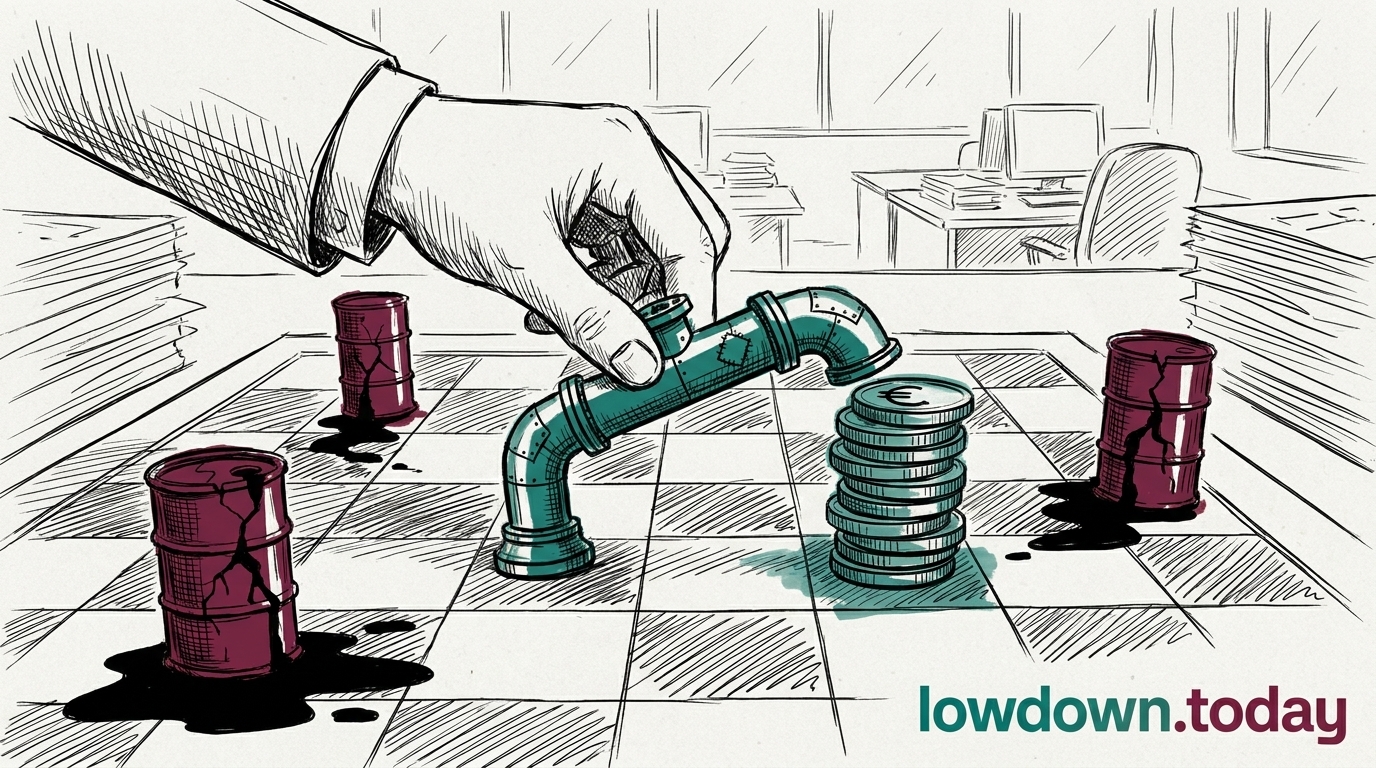
Hormuz toll system carried 20 transits per day before ceasefire

1 min read
11:21UTC

Eleven flag states had paid the toll to transit by 5 April; the ceasefire ratifies the operating model.

ConflictDeveloping
Key takeaway

The toll system Iran built was already running before the ceasefire; the ceasefire just labelled it.

The 20 daily transits across 11 flag states are the operational reality the ceasefire's 'coordinated passage' clause now ratifies. Iran's permanent customs authority over the strait, legislated in late March , turned out to be the architecture both sides have now signed onto.

The recovery from near-zero transits in late March to 20/day by 5 April happened through individual bilateral toll deals, not through any US enforcement action. Trump's Truth Social formulation that the US 'will be helping with the traffic buildup in the strait of Hormuz' aligns the rhetoric with the operating reality.

Deep Analysis

In plain English

Eleven countries had already been paying Iran for permission to send ships through the Strait of Hormuz before the ceasefire was signed. Twenty ships went through per day on 5 April, compared to about 138 a day before the war. The deal Trump just signed says Iran will keep doing exactly this for two weeks.

What could happen next?
  • Precedent

    The toll system is operating practice and now codified in the ceasefire.

First Reported In

Update #62 · Two victories, two different lists

Seatrade Maritime· 8 Apr 2026
Read original
Different Perspectives
EU Council / European Commission
With Orban's veto lifted and Magyar's Tisza government not placing a replacement block, the European Commission is signalling the first 90 billion euro Ukraine loan tranche for late May or early June 2026. Disbursement depends on Magyar's 5 May government formation proceeding to schedule.
Germany
Germany
Russia's Druzhba northern branch transit halt from 1 May removes one of Germany's residual non-Russian crude supply options. The timing compounds Berlin's exposure in the same week Ukrainian strikes drive Russian refinery throughput to its lowest since December 2009.
IAEA / Rafael Grossi
Grossi confirmed the Zaporizhzhia Nuclear Power Plant lost external power for its 14th and 15th times within a single week in late April, with the Ferosplavna-1 backup feeder damaged 1.8 km from the switchyard. He was negotiating a further local ceasefire; the previous IAEA-brokered repair lasted less than a week.
Japan
Japan
Japan authorised direct PAC-3 exports to the United States on 30 April, breaking its post-1945 arms export restrictions to replenish Iran-war-depleted US stockpiles. The White House global Patriot export freeze remains in place; Japan's historic policy shift benefits US readiness without reaching Ukraine.
Kazakhstan
Kazakhstan
Russia's Druzhba northern branch transit halt from 1 May cuts Kazakhstan's access to the German crude market. Astana routes most of its export crude through Russian infrastructure, meaning Moscow's unilateral decision directly constrains Kazakh export diversification despite Kazakhstan's stated neutrality on the war.
Péter Magyar / Tisza Party / Hungary
Magyar targets 5 May for government formation ahead of the 12 May constitutional deadline. Orbán lifted the EU loan veto before leaving office; Magyar supports Hungary's opt-out but has not placed a new veto, leaving the first 90 billion euro tranche on track for late May disbursement.
