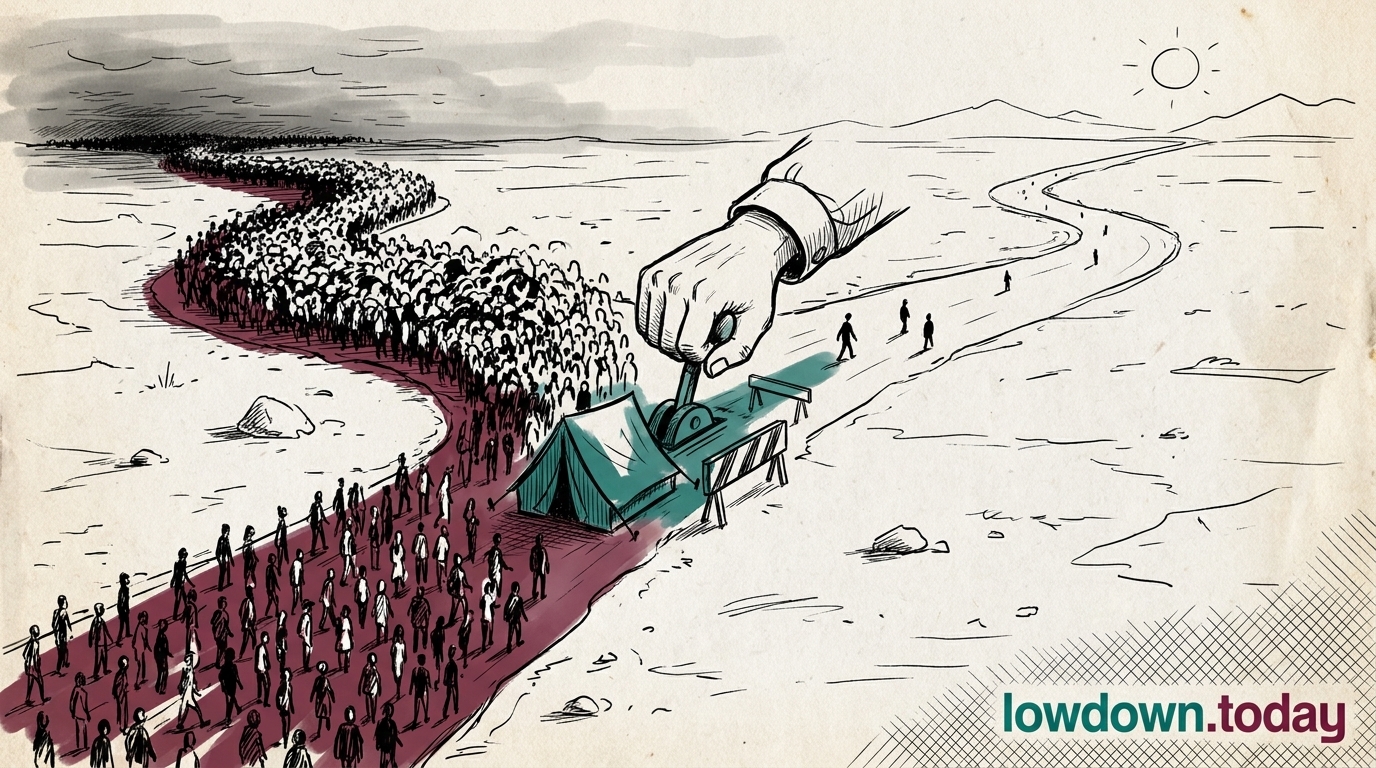
The Coalition for Epidemic Preparedness Innovations (CEPI), the Oslo-based partnership that finances vaccines for epidemic-threat pathogens, committed $62m on 1 June across three named Bundibugyo platforms: $3.2m for IAVI (the International AIDS Vaccine Initiative) and its rVSV (recombinant vesicular stomatitis virus, a live viral vector carrying an Ebola protein) master seed stock, $50m for a Moderna mRNA candidate through Phase 1, and $8.6m for an Oxford ChAdOx1 vaccine (a chimpanzee adenovirus vector, the platform behind the Oxford COVID jab) manufactured at the Serum Institute of India1. GAVI, the Geneva-based Vaccine Alliance, added $50m in procurement contingent on trial success, taking the headline to $112m, atop the roughly $500m pledged at the 26 May Africa CDC summit.
None of that $112m doses a patient in the wards today. WHO advisory groups are still only assessing the MBP134 monoclonal antibody (a lab-made protein engineered to bind and neutralise the virus) and the antiviral remdesivir; neither is authorised to treat a single Bundibugyo case2. No countermeasure has ever been licensed for this non-Zaire species, which is why the assessment continues while patients are treated with supportive care alone.
The outbreak has reached Mambasa, an area of Ituri Province under Islamic State control where health workers cannot safely travel, so contact tracing there is impossible3. A vaccine months from delivery cannot reach a ward that responders cannot enter, which is why the access gap matters more this month than the funding gap. The money has found the laboratory; it has not found the patient.



