rVSV
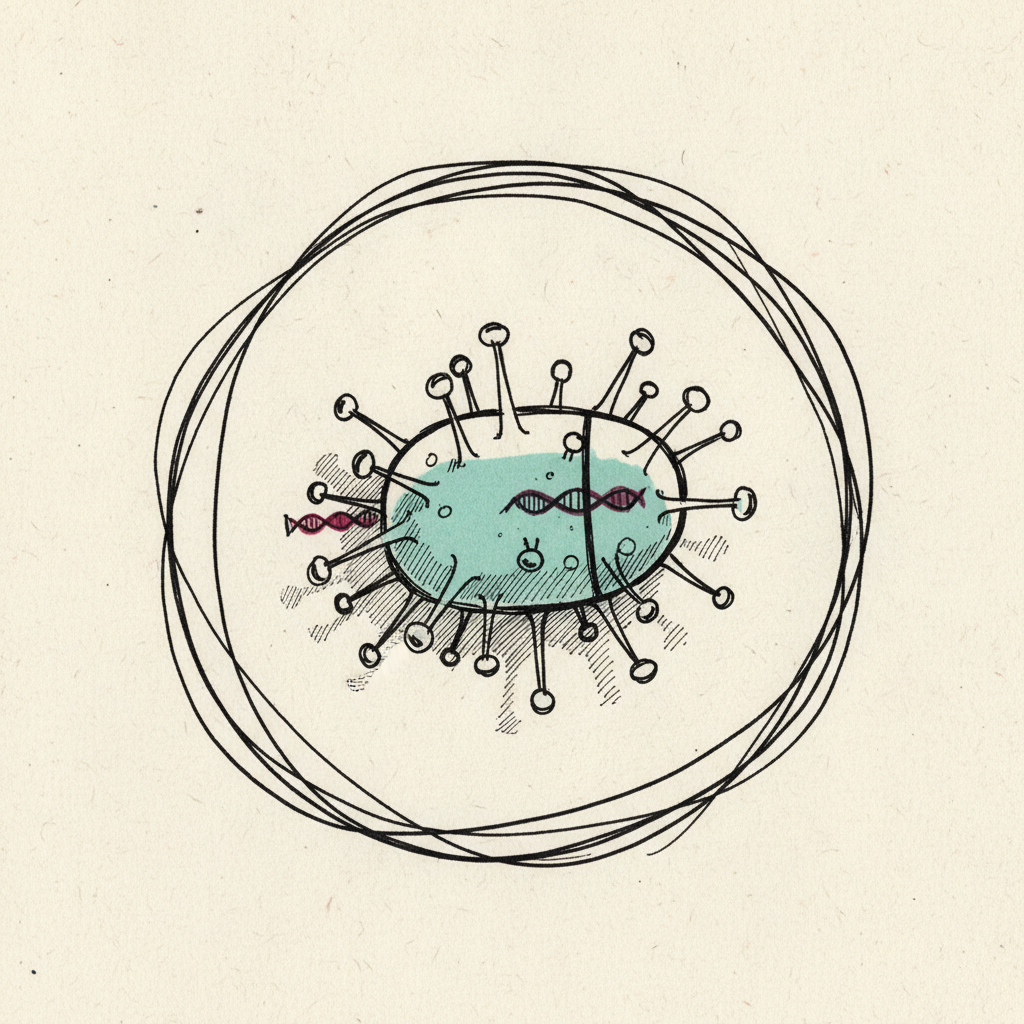
recombinant vesicular stomatitis virus vaccine platform underlying Ervebo, the licensed Zaire Ebola vaccine.
About 2,000 Ervebo doses, an rVSV vaccine licensed only for Zaire Ebola, were in Congolese stores on 20 May 2026, when a Bundibugyo-specific rVSV candidate was judged six to nine months from trial dosing.
Last refreshed: 4 October 2026 · Appears in 1 active topic
If Ervebo works against Zaire Ebola, why can it not simply be used for Bundibugyo?
Timeline for rVSV
Mentioned in: Ebola drug trial awaits DRC, Uganda nod
Pandemics and BiosecurityBackground
The recombinant vesicular stomatitis virus (rVSV) platform swaps a surface protein of the vesicular stomatitis virus for the glycoprotein of a target pathogen. The construct still replicates in the person WHO receives it, which gives a strong, fast immune response, usually from one dose. Merck's Ervebo (rVSV-ZEBOV), licensed in 2019, was the world's first approved Ebola vaccine. It proved itself in ring vaccination during the 2018-2020 DR Congo outbreak, protecting within about ten days, and must be stored frozen at very low temperatures.
Each rVSV vaccine guards against a single Ebola species. Ervebo carries the Zaire ebolavirus glycoprotein and is licensed against Zaire only. When the Bundibugyo species broke out in DR Congo and Uganda in May 2026, about 2,000 Ervebo doses sat in Congolese stocks, and a Bundibugyo-specific rVSV candidate was judged six to nine months from trial readiness, because a new glycoprotein needs new manufacturing runs and fresh safety testing. CEPI gave that candidate $1.9m for seed stock in June 2026, the fourth of its five Bundibugyo vaccine bets.
In 2026 Ervebo itself went on trial against Bundibugyo. WHO released 70,000 Ervebo doses in August 2026 and planned a Phase 3 ring trial of 20,000 doses, still not under way in September, alongside MSF's BRAVO study of frontline workers.
The rVSV route runs months behind
On 20 May 2026, three days after WHO declared Bundibugyo Ebola an emergency, an rVSV-platform vaccine against that species was judged six to nine months from trial dosing. Oxford's ChAdOx candidate needed only two to three more months.
The lag follows from the platform's design. Each rVSV vaccine carries a single species' glycoprotein, so a Bundibugyo version needs its own construct and its own safety record. Meanwhile about 2,000 doses of Merck's Ervebo, the rVSV vaccine licensed only against Zaire ebolavirus, sat in Congolese stocks in May 2026.