Skip to content
Briefings are running a touch slower this week while we rebuild the foundations.See roadmap
Inmazeb
TechnologyUS

Inmazeb

Regeneron's triple Ebola monoclonal antibody cocktail; FDA-approved 2020 for Zaire only; not effective against Bundibugyo.

Last refreshed: 17 May 2026 · Appears in 1 active topic

Key Question

If Inmazeb worked in the 2018 Ebola outbreak, why can't it be used in 2026?

Timeline for Inmazeb

#317 May

FDA-approved Zaire ebolavirus monoclonal antibody with no Bundibugyo efficacy

Pandemics and Biosecurity: No vaccine, no treatment, no MCM
#317 May
View full timeline →
Common Questions
Why can't the Ebola treatment from 2018 be used for the 2026 outbreak?
Inmazeb and Ebanga, the treatments used in the 2018 DRC Equateur response, target Zaire ebolavirus specifically. Their antibodies bind to the Zaire glycoprotein; the Bundibugyo glycoprotein is different enough that these antibodies do not work against it. Neither drug has licensed efficacy for Bundibugyo.Source: FDA labels; PMC peer-reviewed literature (PMC10032372); Imperial College London
What is Inmazeb and how does it work against Ebola?
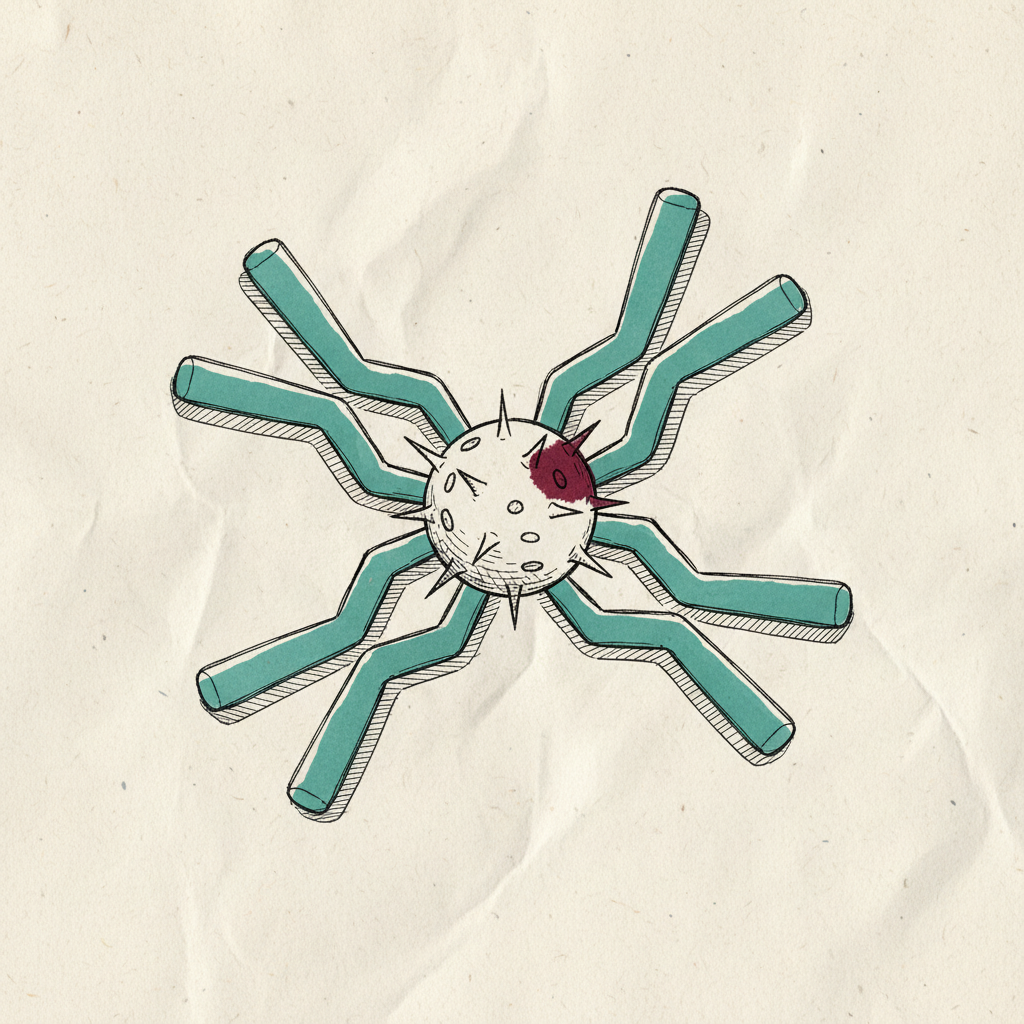
Inmazeb is a triple monoclonal antibody cocktail (atoltivimab, maftivimab, odesivimab) developed by Regeneron and FDA-approved in October 2020. The three antibodies bind different sites on the Zaire ebolavirus glycoprotein, blocking viral entry into cells. Using three antibodies simultaneously reduces the risk of viral escape mutations. In the PALM trial it reduced Zaire Ebola mortality from ~49% to ~34%.Source: FDA approval; PALM trial results; Regeneron product information
Is there any part of Inmazeb that might work on Bundibugyo Ebola?
One of Inmazeb's three components, maftivimab (REGN3479), targets a conserved region of the Filovirus fusion loop and has shown preclinical cross-neutralisation of Zaire, Bundibugyo and Sudan viruses in laboratory studies. However, this component is not an approved standalone therapy, and no clinical efficacy data for Bundibugyo exists. Compassionate-use deployment would require a separate regulatory pathway.Source: PMC peer-reviewed literature (PMC10032372)

Background

Inmazeb is a triple monoclonal antibody cocktail developed by Regeneron Pharmaceuticals, approved by the FDA in October 2020 under the trade name Inmazeb. Its three components are atoltivimab, maftivimab and odesivimab-ebgn (REGN3470, REGN3479 and REGN3478 respectively). The cocktail targets the glycoprotein of Zaire ebolavirus — the viral surface protein that enables cell entry — neutralising the virus before it can infect host cells.

Inmazeb was evaluated in the PALM randomised clinical trial conducted during the 2018-20 DRC Kivu Ebola outbreak, which was among the largest controlled Ebola treatment trials in history. In that trial, Inmazeb demonstrated a CFR of approximately 34 per cent compared to approximately 49 per cent for ZMapp (the predecessor experimental cocktail) and 33 per cent for Ebanga, outperforming ZMapp and becoming one of two monoclonals recommended by the WHO as preferred therapies for Zaire ebolavirus disease. The drug mechanism relies on three antibodies binding distinct epitopes on the Zaire ebolavirus glycoprotein; using three antibodies simultaneously reduces the probability of viral escape mutations.

Regenerative capacity means Inmazeb can, in principle, be manufactured at scale, and Regeneron maintains emergency supply agreements that enabled rapid deployment to the 2018 DRC response. The US government Strategic National Stockpile holds Inmazeb as a Category A biological threat countermeasure.

Inmazeb cannot be used in the 2026 Bundibugyo Ebola outbreak because its FDA approval and clinical-efficacy data are specific to Zaire ebolavirus. The glycoprotein targeted by atoltivimab, maftivimab and odesivimab differs significantly between Zaire and Bundibugyo species, meaning the antibodies do not bind effectively to Bundibugyo's viral surface. There is no licensed Bundibugyo efficacy in Inmazeb's approval package.

One component of Inmazeb — REGN3479 (maftivimab) — targets a conserved region of the Filovirus fusion loop and has shown preclinical cross-neutralisation of Zaire, Bundibugyo and Sudan viruses in laboratory studies. This is a scientific signal of potential, not an approved therapy: the full Inmazeb cocktail's clinical-efficacy data is established for Zaire only, and REGN3479 alone is not an approved standalone therapeutic. Compassionate-use deployment of a single component, outside approved labelling, would require a specific regulatory pathway and manufacturer decision.

The WHO WATCH FOR section of the 17 May briefing explicitly flags whether Regeneron publishes cross-reactivity data for Inmazeb or Ebanga against Bundibugyo — data that does not currently exist in the public domain. Until such data exists, clinicians in Bunia and Mongbwalu cannot legally or ethically administer Inmazeb to Bundibugyo patients under standard care protocols.

Source Material