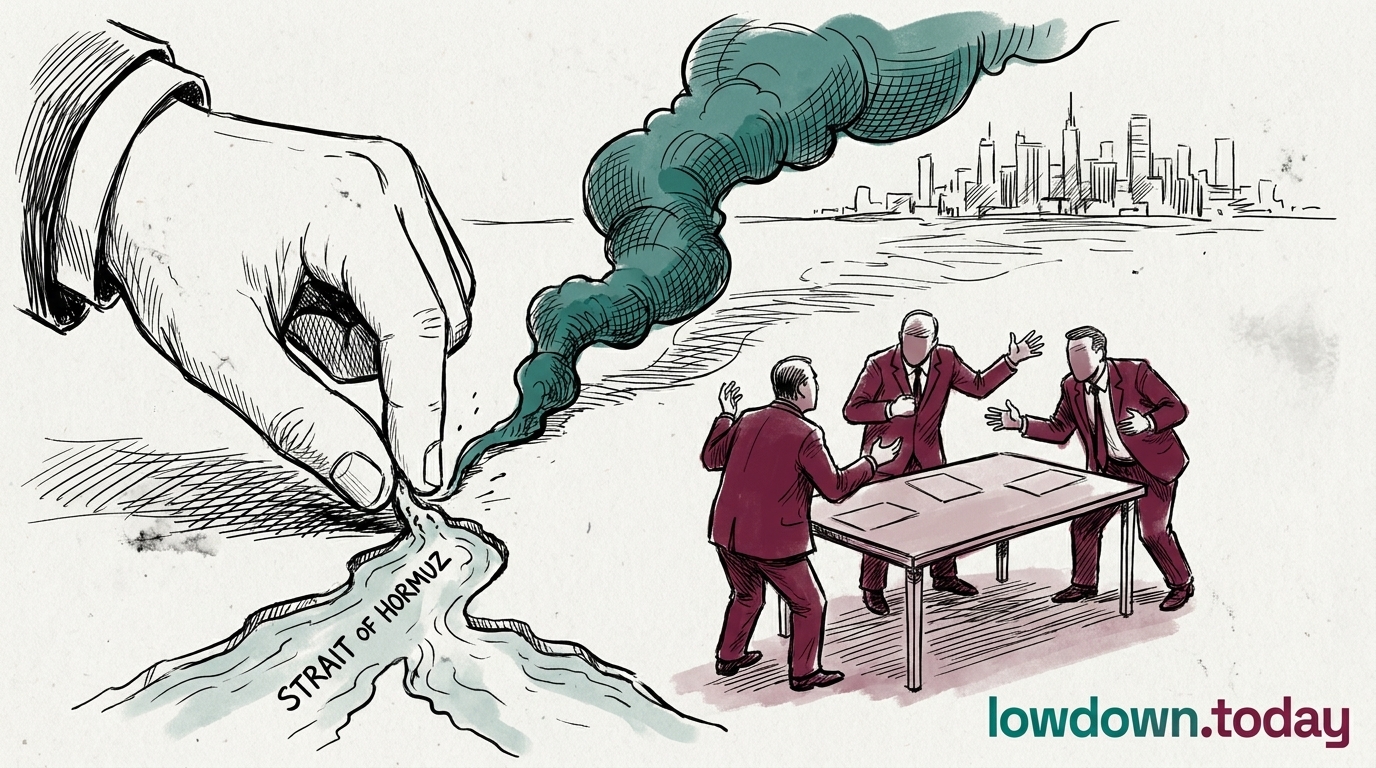
For Benjamin Netanyahu, the deal reads at home as a verdict on him. The Washington Post called the Islamabad Memorandum of Understanding "an informal referendum on Netanyahu's tenure" ahead of Israeli elections this autumn1; a PBS analyst called it a "strategic defeat" for Israel; Haaretz called it Netanyahu's "second worst fiasco" after 7 October2. Critics say he led Trump into the war while overpromising the result, then misjudged the President's appetite for a long fight.
Netanyahu was sidelined from the diplomacy that ended it. The mediation ran through Qatar, Pakistan, Saudi Arabia and Turkey, none of it through Jerusalem. His own cabinet has repudiated the terms he was not consulted on: National Security Minister Itamar Ben-Gvir says "Trump's agreement does not bind us", and Finance Minister Bezalel Smotrich rejected the memorandum from the Knesset floor.
At a press conference Netanyahu insisted "as long as I am Prime Minister, Iran will not get nuclear weapons". That is a promise about the exact question the memorandum he was excluded from has deferred for 60 days. A leader who staked his standing on stopping Iran's bomb now faces an autumn election on a deal he did not write, cannot bind and which postpones the one outcome he built his career on guaranteeing.


