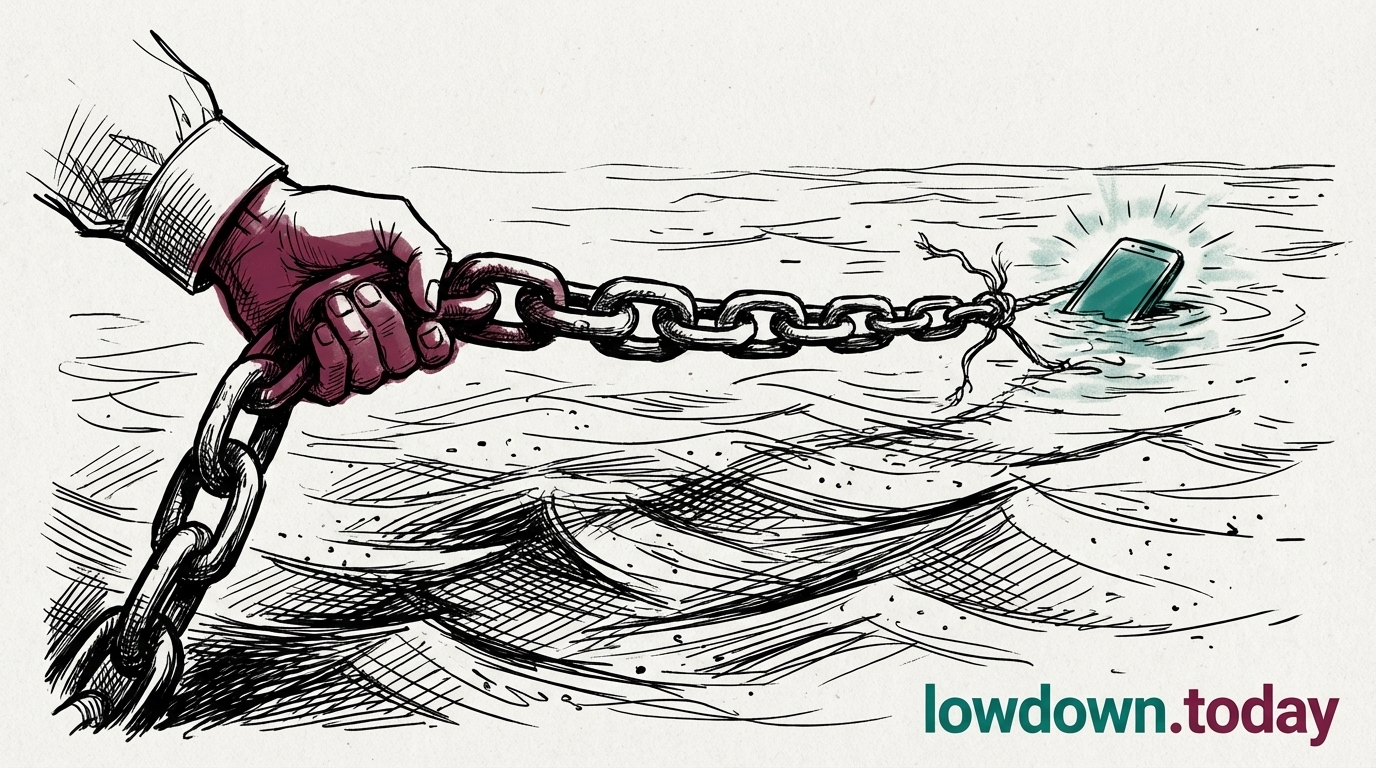
OFAC General License U expires at 12:01am EDT on Saturday 19 April with no published renewal, no replacement, no bridging text. Treasury Secretary Scott Bessent confirmed non-renewal on 15 April, and OFAC has now been silent on Iran for 27 days of calendar runway. The instrument authorises sale of Iranian-origin crude loaded on or before 20 March. Approximately 325 tankers carrying around $31.5 billion of cargo are mid-voyage into a window closing beneath them.
What happens next is not dramatic at the level of explosions; it is dramatic at the level of insurance. Protection and indemnity clubs price cargo on the basis of documented sanctions coverage. A lapsed general licence turns a compliant voyage into a sanctions exposure on arrival. Buyers in South Korea, India and Europe lose the paperwork trail that made them willing to unload the barrels in the first place. Chinese refiners operating on sanctions tolerance already price that exposure into their transactions; others do not.
The timing collision matters more than the underlying policy shift. GL-U lapses three days before the 22 April Iran ceasefire expiry, six days before the Lebanon truce ends and ten days before the WPR 60-day clock runs out. Each of those deadlines carries its own unsigned character, but GL-U is the one with mechanical finality. The clock does not negotiate.
Defenders of the non-renewal will argue it ratchets economic pressure on Tehran. Opponents will note that the pressure lands on third-country buyers and crews in international waters, not on the Iranian state, and that a non-renewal without a published replacement creates precisely the kind of compliance vacuum sanctions architects usually avoid. A sanctions regime produces leverage when counterparties can read it. A regime that runs out without paper produces something closer to a trade disruption with no declared author. Treasury has had 27 days to choose otherwise.


