Skip to content
Welcome, thoughtbot's Giant Robots listeners!Start here
Iran Conflict 2026
6APR

Israel kills 254 in largest Lebanon operation

2 min read
09:43UTC
ConflictDeveloping
Key takeaway

Deadliest Lebanon day came under ceasefire cover with US permission

The Israel Defense Forces launched Operation Eternal Darkness on 8 April, sending 50 fighter jets to drop 160 bombs on more than 100 targets in 10 minutes⁠1. The Lebanon Health Ministry counted 254 killed and 1,165 wounded, the highest single-day toll of the Lebanon war⁠2. Central Beirut was struck without warning during rush hour. At Shmestar cemetery, a funeral became an airstrike target: ten mourners were killed. Ali Yusuf Harshi, described as a nephew and personal secretary of Hezbollah leader Naim Qassem, was among the dead.

The operation came hours after the ceasefire took effect. The Lebanon contradiction that surfaced on Day 40 between Iran, Israel, and Pakistan resolved into bombing, not negotiation. Benjamin Netanyahu called it 'a station on the way to achieving all our goals' and confirmed Lebanon was excluded from the ceasefire⁠3. Vice President JD Vance described Lebanon's inclusion as a 'reasonable misunderstanding'⁠4. Abbas Araghchi rejected that framing: 'Washington must choose between maintaining the ceasefire or continuing conflict through Israeli operations. It cannot have both'⁠5.

On 9 April, Hezbollah fired rockets at Kiryat Shmona and Manara in northern Israel, citing the violations⁠6. The IDF deadline-day strikes on Tehran airports set the pattern; the Lebanon front has decoupled from the Iran ceasefire and is escalating independently.

Deep Analysis

In plain English

Israel launched its biggest Lebanon attack of the entire war on the same day a ceasefire was supposed to start. The US says Lebanon was never part of the deal; Iran says it was. Hezbollah has already fired back. The ceasefire may not stop fighting, just move it to a different country.

Deep Analysis
Root Causes

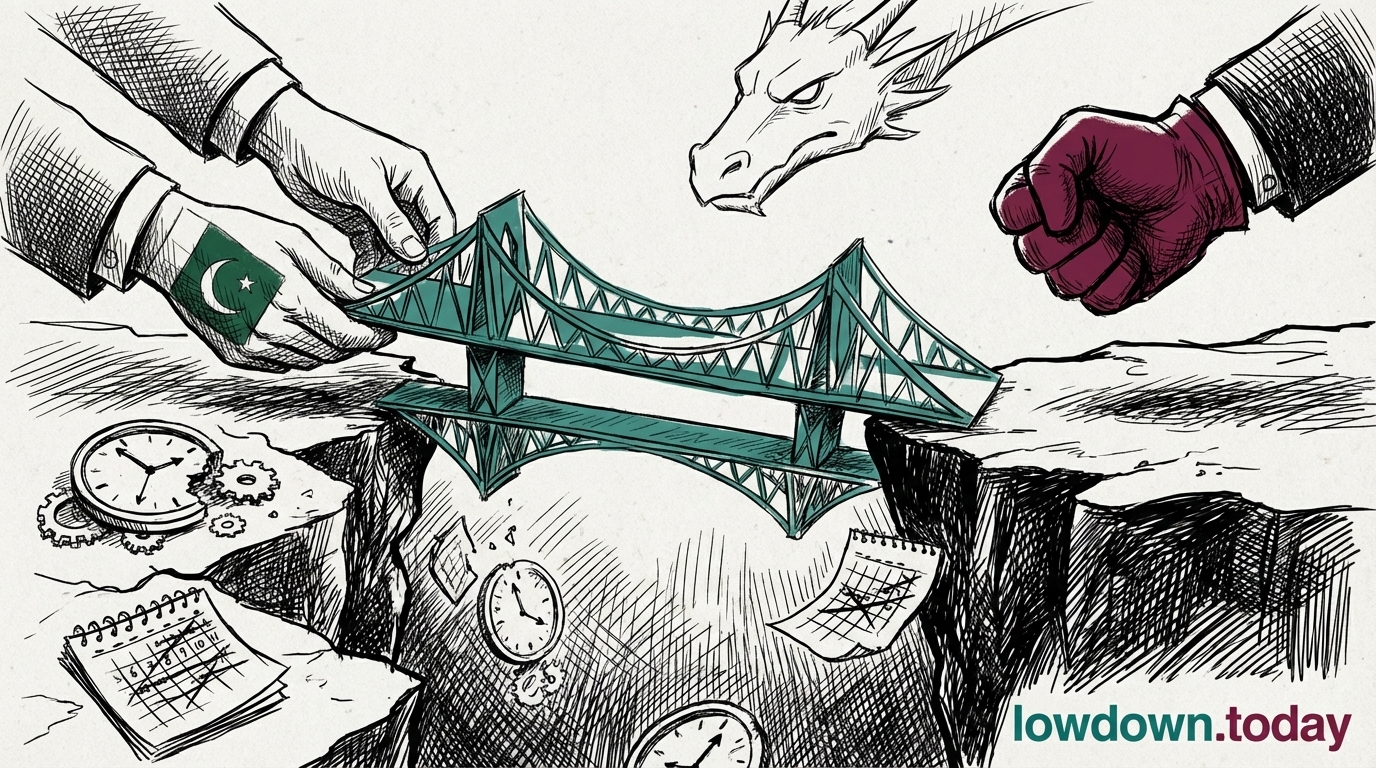
The structural cause is Pakistan's Islamabad Accord never produced a single unified text. Iran's SNSC, Netanyahu's office, and Trump's Truth Social post each described different deals. Without a unified document, each signatory interprets the framework to advance pre-existing objectives.

First Reported In

Update #63 · Ceasefire redistributes the war, not ends it

Lebanon Health Ministry· 9 Apr 2026
Read original →
Different Perspectives
Russia
Russia
Russia vetoed the same renewal on 17 September, arguing that Britain, France and Germany never validly triggered the snapback that reimposed the pre-2015 UN resolutions. No panel was ever seated under that mandate, so the UN list decays fastest for states that screen against it rather than against the American one.
China
China
China vetoed renewal of the UN sanctions monitoring mandate on 17 September, arguing that Resolution 2231 terminated on 18 October 2025 and that the Security Council should drop Iran's nuclear file altogether. On that reading there is nothing to monitor, so the sanctions survive and their enforcement does not.
Iraq
Iraq
Baghdad saw the last American counter-Islamic State troops leave its territory on 30 September, completing a timetable it agreed with Washington in September 2024. Iraqi airspace deconfliction passes to Baghdad, which still has an open inquiry into the Maysan drone launches that has named nobody.
Pakistan
Pakistan
Treasury names Waseem Pasha Tajammal of Rawalpindi as the Cavalier group's chairman and places one of the designated incorporations in Islamabad. QatarEnergy separately told Pakistan that liquefied natural gas cargo cancellations would run through November, so Islamabad carries an enforcement question and a supply gap at once.
Turkey
Turkey
Treasury named a Cavalier Dynamics company incorporated in Istanbul among the ten nodes it designated on 29 September, and Ankara has published no response. Turkey imported a record 120,000 barrels a day of Indian diesel in August, cutting Russia's share of its diesel imports to 20 per cent.
India
India
Suraj Yadav, a wiper from Uttar Pradesh, was killed aboard the Cape Dao on 23 September, and 19 of the ship's 20 Indian crew were taken off alive. India's September imports ran at 575,000 barrels a day from Iraq and 566,000 from Saudi Arabia, back to pre-conflict rates.