Can the Iran ceasefire survive Israel's largest Lebanon strike since 2006?
Timeline for Operation Eternal Darkness
Mentioned in: Hezbollah Missile Hits Tel Aviv Range
Iran Conflict 2026Mentioned in: Six UNIFIL Peacekeepers Hurt in Lebanon
Iran Conflict 2026Mentioned in: Hengaw 10th casualty report now seven days overdue
Iran Conflict 2026Mentioned in: Israel kills 254 in largest Lebanon operation
Iran Conflict 2026Background
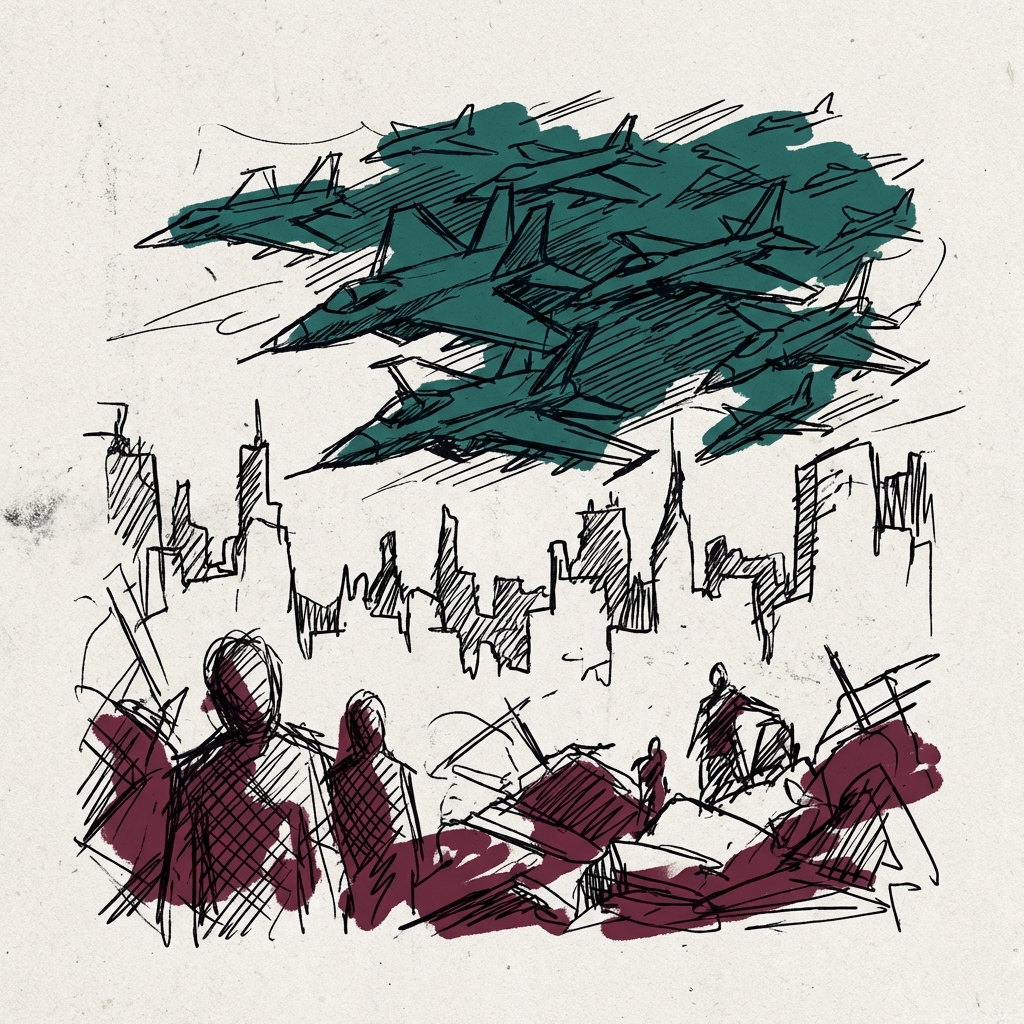
Operation Eternal Darkness was the Israeli Defence Forces' largest single Lebanon operation since the 2006 war, launched on the night of 8 April 2026, hours after a US-brokered Iran Ceasefire took effect. 50 fighter jets dropped 160 bombs on 100-plus Hezbollah targets across central Beirut and the Bekaa Valley simultaneously, with no advance warning to Lebanese civilian authorities. The IDF reported 254 people killed and 1,165 wounded within ten minutes of the first strike.
The operation targeted what the IDF described as Hezbollah command nodes, weapons depots, and tunnel infrastructure. Among those killed was Ali Yusuf Harshi, the nephew and personal secretary of Hezbollah leader Naim Qassem, in a strike on the Shmestar cemetery in the Bekaa Valley during a funeral. At least ten mourners died in that single strike. Hezbollah responded the following day with rocket salvoes on Kiryat Shmona, citing the operation as a Ceasefire violation by Israel.
The timing created an immediate diplomatic crisis. Iran's Deputy Foreign Minister Saeed Khatibzadeh told the BBC the operation demonstrated that Israel was attempting to exploit the Ceasefire window unilaterally. Iran's Parliament Speaker Ghalibaf listed the strikes among the violations rendering the Ceasefire framework unworkable. The operation raised fundamental questions about whether the US-brokered pause could hold when Israel was simultaneously conducting offensive operations in Lebanon.
What was Operation Eternal Darkness in Lebanon?
Why did Israel strike Lebanon during the Iran ceasefire?
How many people were killed in the Israel Lebanon strike on 8 April 2026?
Did Hezbollah retaliate for Operation Eternal Darkness?

