Skip to content
Welcome, thoughtbot's Giant Robots listeners!Start here
Iran Conflict 2026
7SEP

Four mediators table a ten-day truce

2 min read
14:39UTC

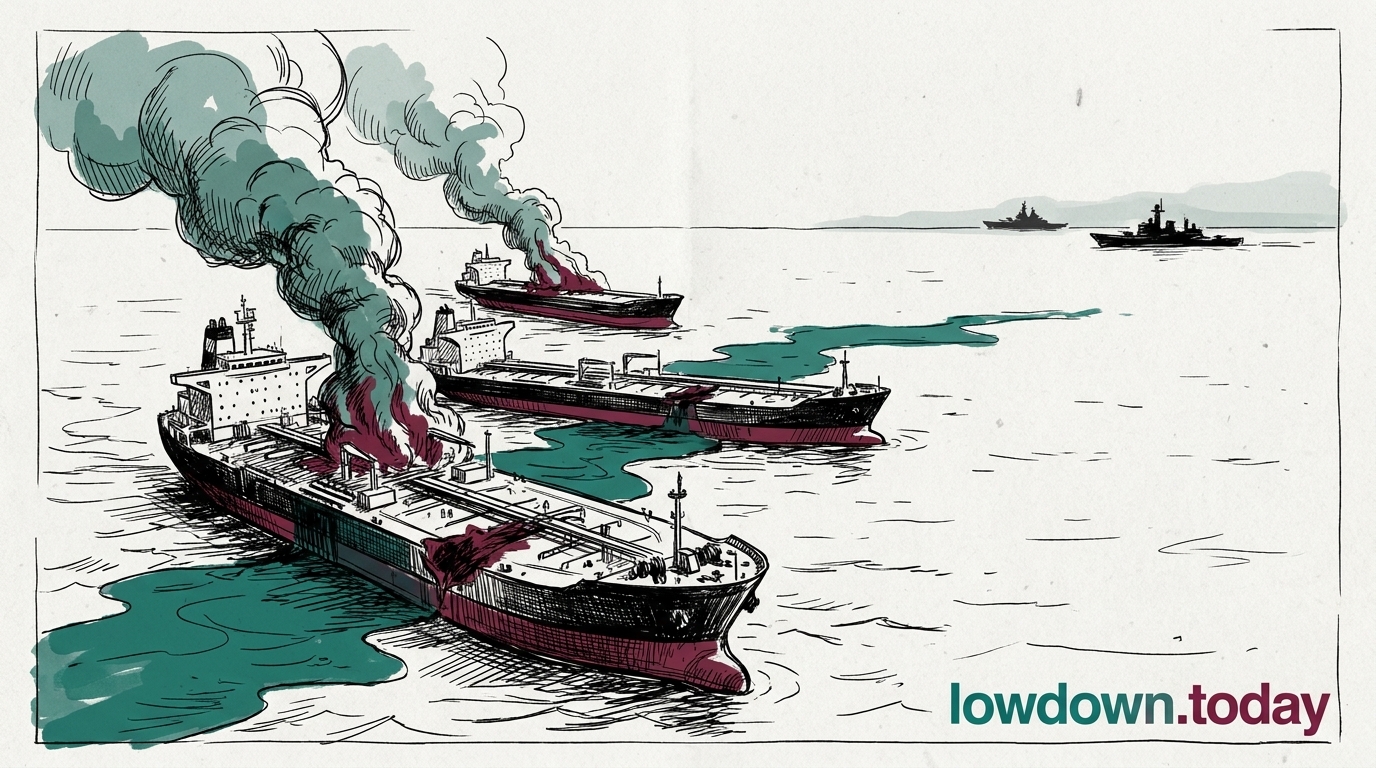
Qatar, Egypt, Pakistan and Oman submitted a ten-day ceasefire proposal to Washington and Tehran, its core term the reopening of the Strait of Hormuz.

ConflictDeveloping
Key takeaway

Four mediators put a ten-day truce on the table built around reopening Hormuz, and Washington wants longer.

Qatar, Egypt, Pakistan and Oman submitted a ten-day ceasefire proposal to Washington and Tehran, its core term the resumption of Strait of Hormuz navigation alongside talks on a longer agreement⁠1. The four are the region's standing intermediaries, and the text puts a fixed clock on a war that has run without one.

The proposal reaches an administration holding out for a longer pause than ten days, which has urged Israel to keep the diplomatic window open. Qatar files it from the same seat where it lodged a dated compensation claim against Iran at the UN Security Council on 21 July, mediating and litigating at once. The core term reaches for the one lever that moves everything else: reopening Hormuz would unwind the blockade and the price spike together, which is why it sits at the centre of the text rather than the nuclear file or the strikes.

Deep Analysis

In plain English

Four countries, Qatar, Egypt, Pakistan and Oman, have proposed a ten-day ceasefire to both the United States and Iran. The main idea is to reopen the strait of Hormuz, the narrow waterway ships use to move Gulf oil, while the two sides talk about a longer-term deal. This is not a done deal. It is a proposal put forward by countries that are not directly fighting but have a strong interest in the war ending, or at least in ships being able to move safely again.

Deep Analysis
Root Causes

The proposal's ten-day window reflects a structural constraint Qatar cannot avoid: its own gas exports and the CENTCOM basing it hosts sit inside the same Gulf waters the ceasefire is meant to reopen, giving Doha a direct material stake beyond diplomatic goodwill.

Pakistan's role rests on being the only channel both Washington and Tehran have kept open since the spring proposals, a position it holds not through leverage but through being the last venue neither side has formally closed.

What could happen next?
  • Meaning

    A joint four-country proposal signals the mediators believe Washington and Tehran are close enough to a deal that sequencing, who reopens Hormuz first, is now the main obstacle.

  • Precedent

    Every prior Pakistan-brokered ceasefire text since May has traded Hormuz access for a US drawdown demand Washington rejected; if this proposal drops that demand, it marks a real shift in the mediators' approach.

First Reported In

Update #160 · Houthis hit Saudi tankers; Brent tops $100

Axios· 23 Jul 2026
Read original →
Different Perspectives
Wang Yi
Wang Yi
China's foreign minister and Djibouti's issued a joint communique on 21 October saying the war should not reach the Horn of Africa and stressing free navigation through Bab al-Mandeb. The text names neither Iran nor the Houthis, and Djibouti hosts China's only overseas military base, opposite the Yemeni coast.
Ministry of External Affairs
India's foreign ministry called the attacks on Saudi civilian and energy sites "unacceptable" on 22 October and said they must stop at once. An Indian died at Dammam, Indians were injured there and at Shaybah, and about 4,000 Umrah pilgrims remain stranded by one MP's count.
Iraq
Iraq
Iraq closed the al-Sheeb crossing with Iran to travellers and trucks from 21 October and said other crossings would close gradually. Unlike September's closure, which ended on a staged timetable, this one has none, and Iran's interior ministry said it received no notice.
Abdel Fattah el-Sisi
Egypt's president said on 21 October that Cairo's support would "defend Saudi territory, and does not include an attack on Yemen". Araghchi warned that Egyptian involvement would further complicate the situation, and Cairo's limit matches the one Ankara set on 8 October against attacking another state's soil.
UK Ministry of Defence
The MoD said on 20 October that RAF Typhoons over Saudi Arabia will not strike the Houthis, but extended tanker support to Saudi operations including against Houthi targets in Yemen. The tanker line sets no limit on strikes, so British aircraft may now refuel Saudi jets on bombing runs.
Turkey
Turkey
Ankara sent the Mecca Joint Defence Agreement to parliament around 20 October, and its published text treats an attack on one party as an attack on all. Article 16 brings it into force only on the last ratification, so the 5 October invocation in Riyadh could not yet bind Turkey.

Written with AI from Lowdown's published reporting. Not individually reviewed by an editor. Editorial standards.
