Skip to content
You can now search across every topic, entity and event.What's new
Iran Conflict 2026
18JUL

GPS blacked out across Gulf chokepoints

2 min read
13:17UTC

US and British maritime authorities confirm an electronic warfare corridor stretching 2,500 kilometres across two of the world's three critical sea lanes. There is no safe detour.

ConflictDeveloping
Key takeaway

An electronic warfare corridor now links two chokepoints, leaving no safe maritime alternative.

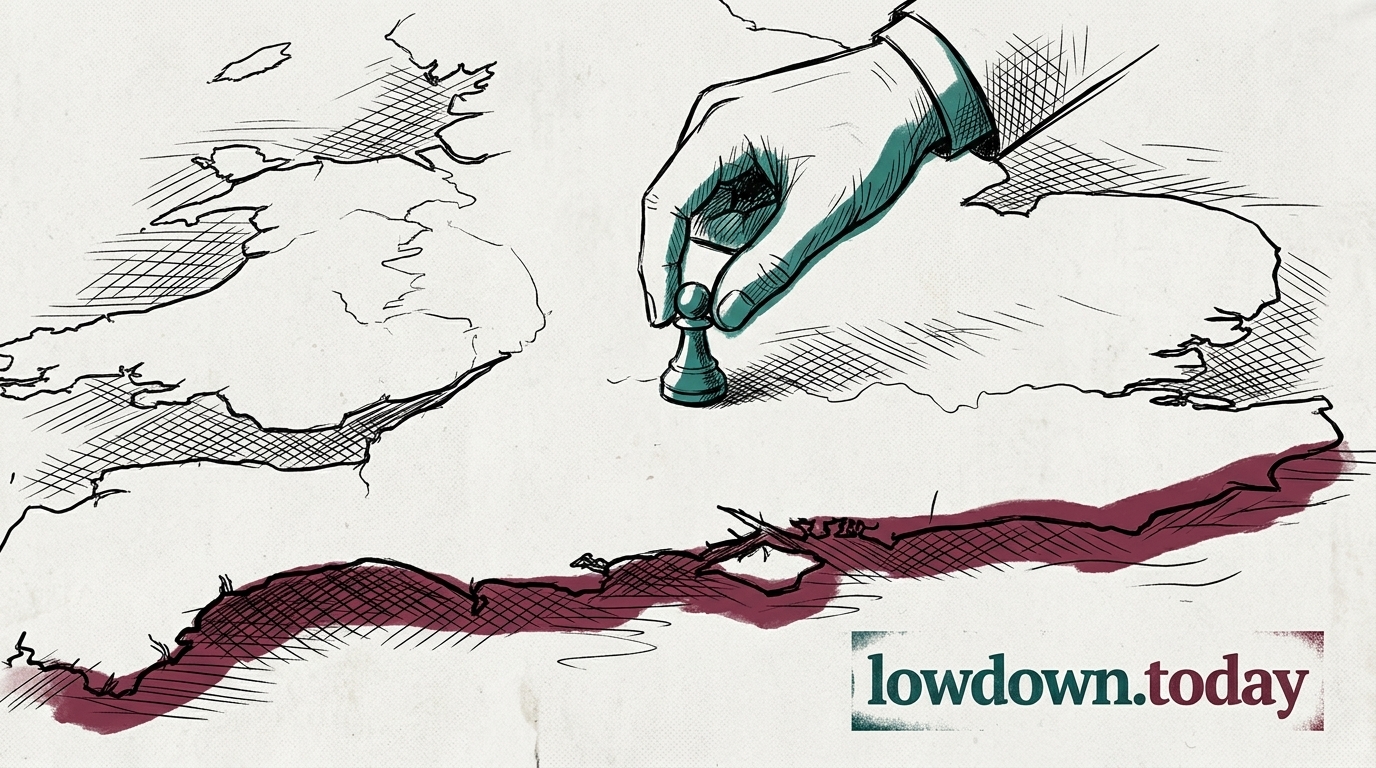
MARAD Advisory 2026-004 and UKMTO data confirm severe GNSS/GPS interference extending from the strait of Hormuz across the Gulf of Oman and into the Red Sea near Bab al-Mandeb 1. This is not a side effect of military operations but a deliberate electronic denial zone spanning two of the world's three critical maritime chokepoints.

No modern peacetime precedent exists for electronic warfare denial at this scale. During the Tanker War (1987 to 1988), mines and missile boats threatened individual vessels. The current denial threatens the navigational infrastructure itself, degrading the ability of any vessel to determine its own position across a 2,500-kilometre corridor. The Houthis threatened Bab al-Mandeb closure the day after Pakistan confirmed talks had stalled.

Vessels diverting from Hormuz toward the Red Sea now navigate degraded positioning systems approaching a second contested chokepoint. Roughly 4.5 million barrels per day and 12% of global trade pass through Bab al-Mandeb. Combined with near-total Hormuz closure, the world's two most important oil chokepoints are under simultaneous pressure for the first time since the 1973 oil crisis 2. The Cape of Good Hope route adds 10 to 14 days and $500,000 to $1 million per voyage in fuel costs.

Deep Analysis

In plain English

Ships navigate using GPS-style satellite signals. Someone is deliberately jamming those signals across a 2,500-kilometre corridor stretching from the Strait of Hormuz in the Gulf to the Bab al-Mandeb in the Red Sea. This matters because ships diverted away from Hormuz (which Iran controls) have been heading toward the Red Sea instead. The GNSS jamming makes that alternative route significantly more dangerous, because ships cannot accurately determine their own position. The practical effect: there is now no safe, insurable sea route between the Gulf and global markets. Ships must go around Africa instead, adding 10 to 14 days and significant fuel costs to every voyage.

First Reported In

Update #51 · Iran hits aluminium plants; Hormuz emptying

International Maritime Organisation / UKMTO· 29 Mar 2026
Read original
Different Perspectives
International Group of P&I Clubs
The Group has kept its Hormuz war-risk exclusion in force through the entire shipping recovery, even as London hull war-risk premiums fell to about 2% of vessel value. A burning LNG carrier off Limah is now the fresh case for holding that line, with mutual pooling meaning one hit reprices the strait for every owner at once.
Jordan
Jordan
Jordan's government said no threats existed at Aqaba hours before Iranian missiles landed there, and has not addressed the IRGC's claim that Jordanian civilians and soldiers supplied targeting intelligence for the strike. Amman hosts forces it does not command and is saying as little as it can.
United States (CENTCOM)
The Pentagon named two of the seventeen American dead, 1st Lieutenant Tyler Feehan and Private Isabella Gonzales, both killed at Jordan's Muwaffaq Salti Air Base, days after its Amman embassy had warned citizens away from Aqaba's airport and seaport. Washington is naming its own cost while flagging threats it declines to attribute publicly.
Iran
Iran
Iran said on Monday it disabled two oil tankers crossing the Strait of Hormuz without its permission, asserting a right to license passage through the strait it borders. Tehran named neither vessel, and CENTCOM had already denied a comparable Iranian claim on 18 July.
Qatar
Qatar
Qatar moved from summoning Iran's deputy ambassador on 8 July to a dated written claim at the UN Security Council thirteen days later, citing Resolution 2817 and reserving its Article 51 right of self-defence. Doha is building a permanent record while still hosting CENTCOM's forward headquarters and mediating with Tehran.
CENTCOM
CENTCOM
CENTCOM confirmed a third American service member died in northern Iraq on 19 July clearing unexploded ordnance from a downed Iranian drone, and recovered unidentified remains at Muwaffaq Salti Air Base in Jordan. The Pentagon has framed its Khuzestan strikes as degrading IRGC capacity, a rationale that stretches to explain a reactor foundation with no nuclear material in it.