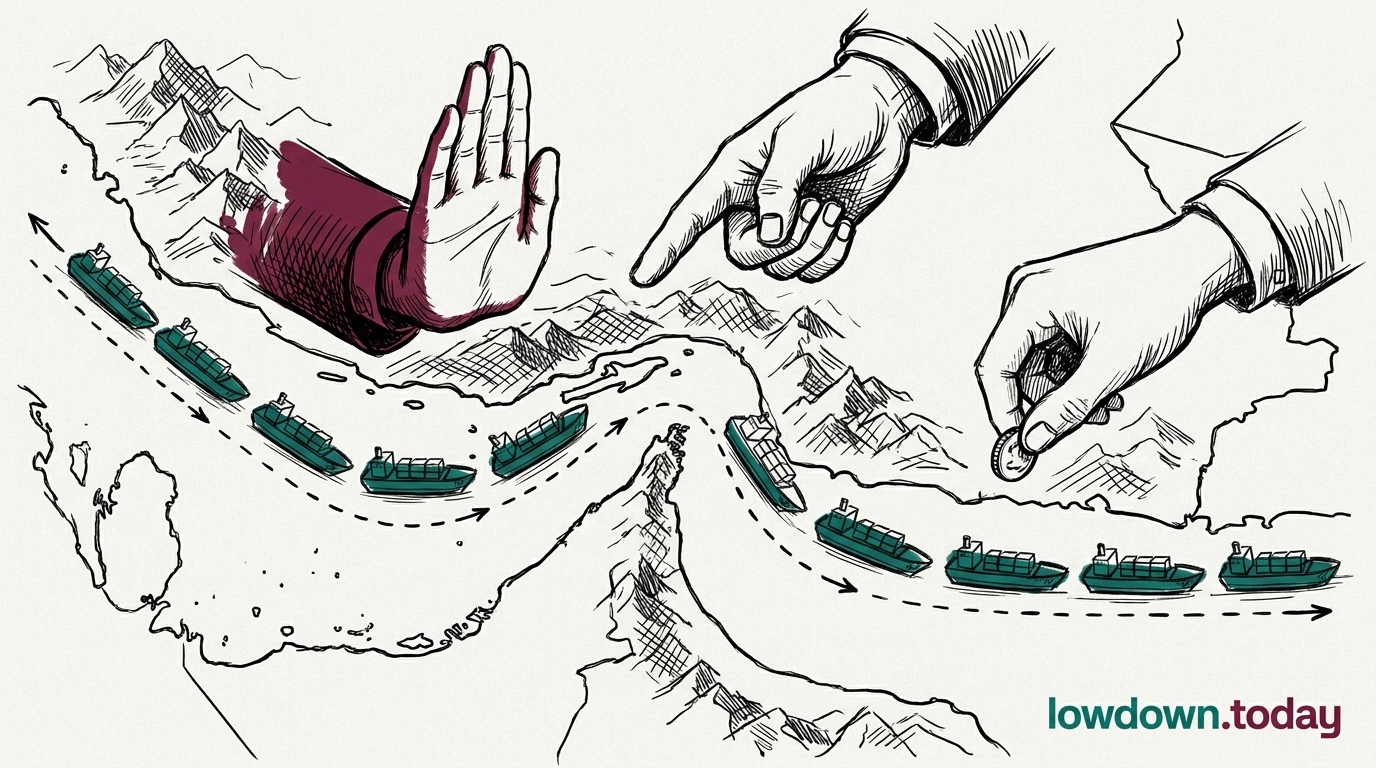
The Houthis (Ansar Allah) fired their second missile and drone barrage at Israel on 29 March, following their first attack the previous day. Israeli military claimed interceptions; targets included what the Houthis described as "sensitive military sites" in southern Israel1. Deputy information minister Mohammed Mansour has explicitly threatened Bab al-Mandeb closure as part of a staged escalation programme.
Tehran coordinated the timing. Houthi entry came the day after Pakistan confirmed US-Iran indirect talks had stalled and the day Iran published its five conditions. Two attacks in 24 hours is a demonstration of sustainable tempo, not a one-off provocation. The Long War Journal reports that Houthi leaders have conditioned further escalation on whether other nations join anti-Iran operations or use the Red Sea for strikes against Iran's allies.
The strategic problem is compounding. Hezbollah fired 600 projectiles at Israel on 28 March. The Houthis are now adding a second axis. Iran's proxy network is activating in sequence, each front requiring separate defensive resources from a coalition already stretched by the primary conflict.


