Ansar Allah fired a barrage of ballistic missiles at military sites in southern Israel on 28 March, their first attack since the war began on 28 February.1 The IDF intercepted one missile; sirens sounded in Beersheba.
Houthi military spokesman Brigadier-General Yahya Saree announced the strikes via Al Masirah TV and stated they would continue "until the aggression against all fronts of the resistance ceases."2 The Houthis had sat out the war's first four weeks at Tehran's request. Their entry is a reversal, and its timing is deliberate: it came the day after Pakistan confirmed indirect US-Iran talks had stalled and the day Iran published five conditions for ending the war, including sovereignty over the Strait of Hormuz.
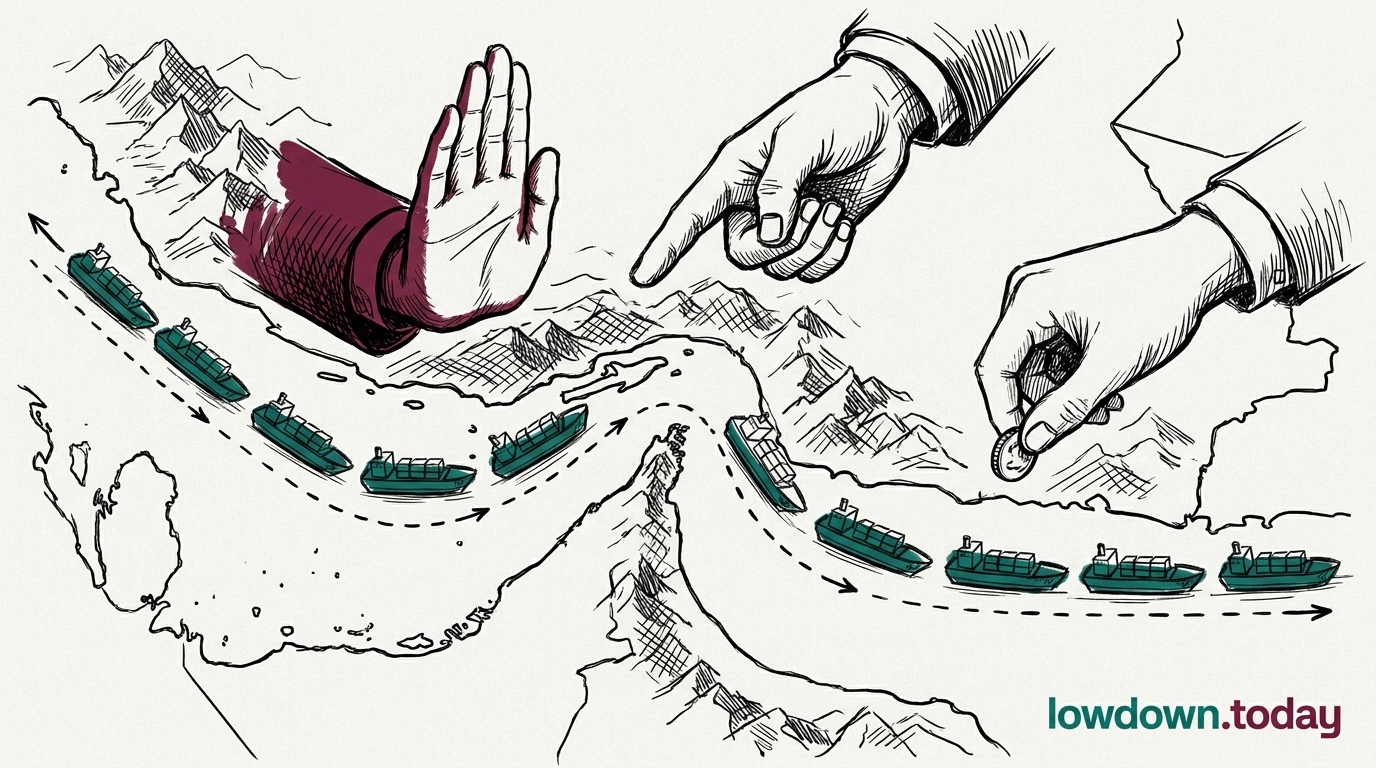
Tehran chose this moment to activate the proxy it had held in reserve. The military threat from a single intercepted missile is secondary. The strategic threat is geographic: combined with Iran's existing traffic control at Hormuz, where only five vessels crossed on 25 March, two of the world's three critical maritime chokepoints are now contested simultaneously for the first time since the 1973 oil crisis.


