Skip to content
You can now search across every topic, entity and event.What's new
Iran Conflict 2026
21JUN

OPEC adds 188kbd into 37-year output low

3 min read
17:51UTC

OPEC+ voted on Sunday 7 June to pump 188kbd more crude in July, the third hike running, into a month its 11 members produced the least oil in 37 years.

ConflictDeveloping
Key takeaway

OPEC+ is defending its price-setting credibility, not balancing a market it can no longer supply.

OPEC+ ratified a 188kbd July output increase at the 41st ministerial video conference on Sunday 7 June, the third consecutive hike, with August and September already signalled. OPEC+ is the wider producer group led by Saudi Arabia and Russia that sets monthly quotas. The decision lands against the cartel's own collapse: its 11 remaining members produced 16.33mbd (million barrels per day) in May, down 1.22mbd on the month, the lowest in 37 years. The hike restores roughly 15% of a single month's lost output, a ratio near 1:6.5.

The member detail shows where the barrels went. Iran fell 710kbd to 2.34mbd, Kuwait dropped 310kbd to 490kbd, under a fifth of pre-war volume, and Saudi Arabia eased 240kbd to 6.57mbd. The UAE, outside OPEC's quota framework since 1 May, added 300kbd to 2.44mbd and now sits beyond the agreement entirely.

The market had expected this vote to pass despite collapsing group output ; the new fact is the freshly quantified gap between paper and physical. OPEC's spare capacity enforced cohesion in 2020, when Saudi Arabia could switch idle barrels on. In 2026 the binding constraint runs the other way: a member base physically unable to lift, so the quota describes a fiction the schedule cannot revise fast enough to correct.

For a spreads desk the read is that the barrels OPEC voted to add do not exist, so the hike moves the flat price as a signal but commits no supply behind it. Set against the China demand hole that compressed the Brent-Dubai exchange-for-swaps last week , the market is short of physical crude at both ends, with quota arithmetic that cannot close the gap.


Deep Analysis

In plain English

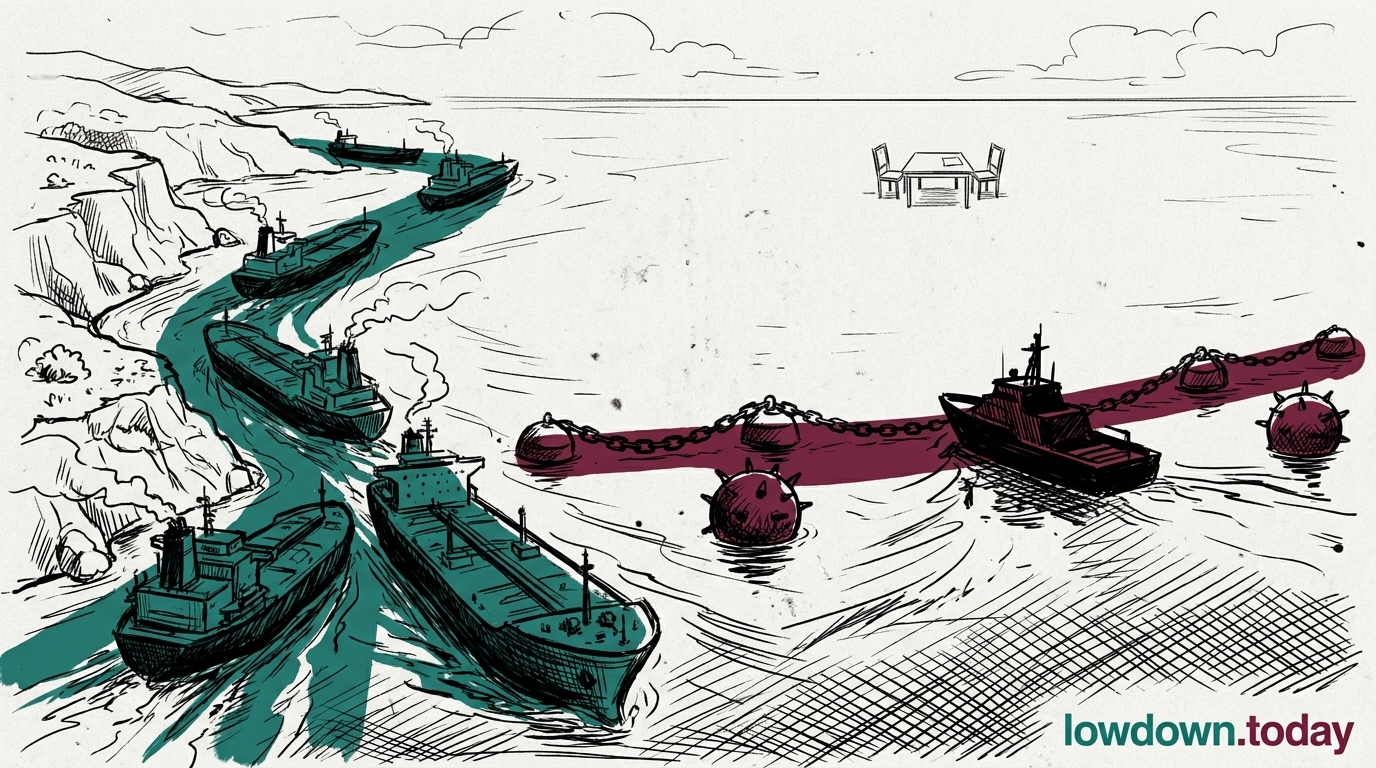
OPEC+ is a group of major oil-producing countries that coordinate how much oil they pump. Pumping more oil generally pushes prices down; pumping less keeps them up. On 7 June, these countries voted to add 188,000 barrels a day of oil to July output, the third month running they have approved such an increase. The catch is that they are already producing far less oil than normal because the Strait of Hormuz, the narrow sea channel most Gulf oil must pass through, is currently being blockaded. So the increase largely plugs a gap rather than flooding the market with new supply.

Deep Analysis
Root Causes

Saudi Arabia's willingness to vote hikes against its own fiscal breakeven reflects two structural pressures. The UAE's May 2026 OPEC exit removed Riyadh's biggest coalition constraint. With the UAE operating outside the quota framework and adding 300kbd independently, every barrel the Saudis withhold merely cedes market share to a neighbour who has already opted out.

The OPEC+ compliance architecture has broken down in parallel: Russia is producing 200-500kbd above quota, Kazakhstan is 322kbd long on Tengiz expansion, and Iraq has been chronically non-compliant for years. Voting hikes while compliance deteriorates allows Riyadh to maintain the appearance of quota leadership without actually constraining competitors who are already ignoring their ceilings.

What could happen next?
  • Consequence

    Each successive 188kbd hike locks in a larger nominal paper supply overhang that will deflate spot prices sharply once Hormuz delivery constraints lift.

    Medium term · Assessed
  • Risk

    Saudi Arabia running below its fiscal breakeven of $108-111 for multiple quarters risks Vision 2030 budget pressure and potential policy reversal to deeper cuts.

    Medium term · Assessed
  • Precedent

    The UAE's out-of-quota expansion while fellow OPEC+ members vote hikes they cannot deliver normalises a two-tier cartel structure where exit is the credible alternative to quota compliance.

    Long term · Reported
First Reported In

Update #6 · OPEC's quota is fiction at a 37-year low

Hellenic Shipping News· 8 Jun 2026
Read original
Causes and effects
This Event
OPEC adds 188kbd into 37-year output low
The cartel is now adding paper barrels no member can physically lift, which turns the quota into a price signal rather than a supply commitment and changes how spreads desks read every flat-price spike.
Different Perspectives
Hengaw
Hengaw
The Norway-based monitoring group reported the Urmia executions of Omid Behzad and Pouria Safvat, the only source to do so, consistent with its documented pattern of recording far more executions than the Iranian state acknowledges. Iran's government has not confirmed either execution.
Shipping and insurance underwriters
War-risk premiums price the Houthi campaign because the group announces its targets in advance, but a reopening Trump has promised without a published text gives underwriters no benchmark to reprice Hormuz cover against. Insurers want a text before they move rates, not a promise.
Houthi movement
Houthi movement
Spokesman Yahya Saree claimed strikes on two tankers in the Red Sea and Gulf of Aden on 5 August, only one of which UKMTO could confirm. The group's campaign against shipping continues on its own schedule, independent of any Hormuz arrangement further north.
Oman
Oman
Muscat has brokered the coordinates both Tehran and Washington's wire sources now describe differently, but has published no account of its own. Oman's position depends on treating Hormuz as a shared route, which is not what Iran is currently describing.
United States Central Command
CENTCOM raised its interdiction tally from 35 to 44 redirected vessels and disclosed its first boardings on 3 August, the day before Trump promised a reopening. The command's own enforcement record does not yet reflect the release the President has described.
Iran's Foreign Ministry
Spokesman Esmaeil Baghaei described the agreed Hormuz coordinates as a wholly new corridor under Iranian management, not a split of the existing route, days after his own deputy rejected Oman's lane proposal. Tehran wants the arrangement read as a change of ownership, not a compromise on access.



