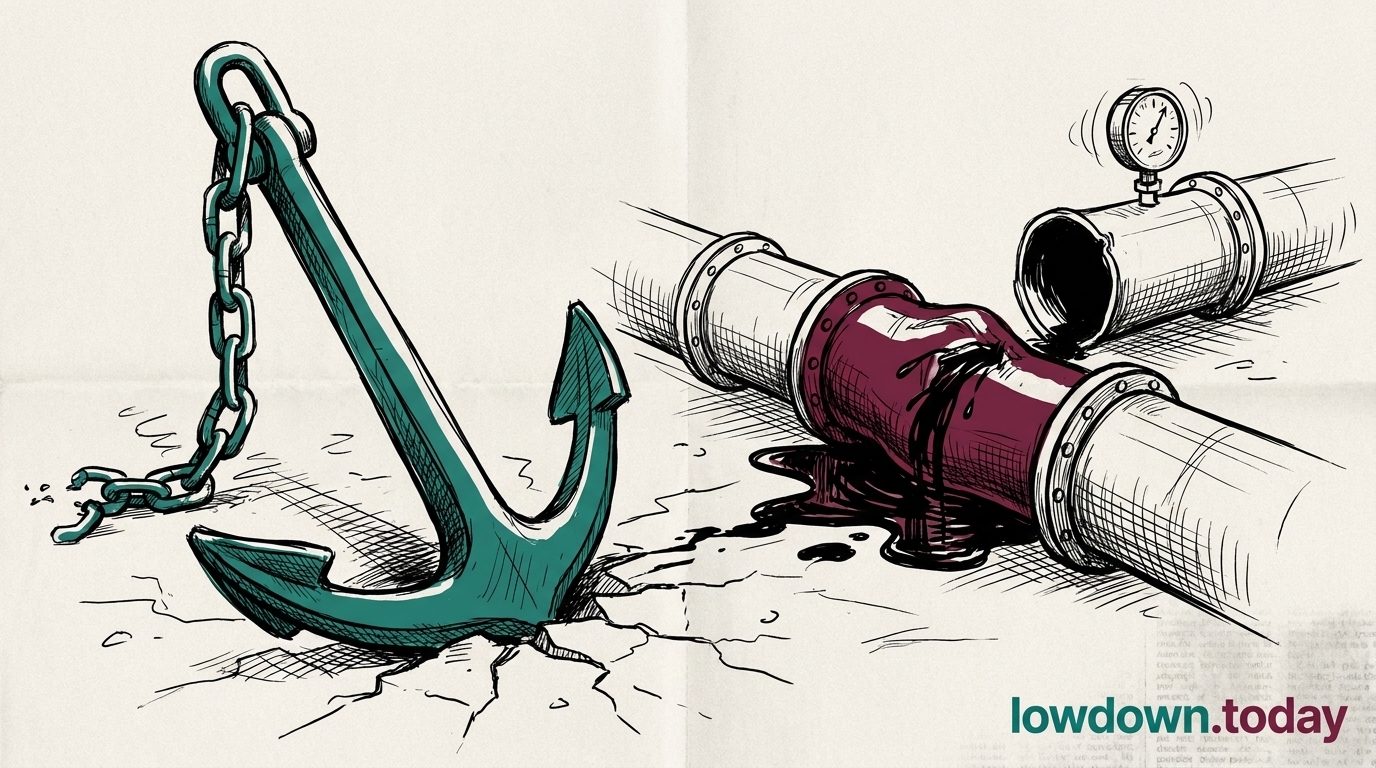
Seven OPEC+ voluntary-cut countries agreed a 188,000 barrels per day June 2026 production hike in a virtual meeting on 3 May 2026, the first decision taken without the UAE since Abu Dhabi's formal exit from OPEC on 1 May. The 41st OPEC and non-OPEC ministerial is now scheduled for 7 June 2026. The June increment is sharply smaller than the 411,000 barrels per day unwinds run in April and May, and Goldman Sachs has marked Q4 Brent at $90 per barrel on tighter Gulf output, against an EIA STEO trajectory taking Q2 Brent from roughly $106 per barrel down to $89 per barrel by year-end.
The headline barrels matter less than the loss of the UAE spare-capacity anchor. Abu Dhabi held the cartel's second-largest spare-capacity reference, and the country can now pump toward its 5 mbpd target without quota coordination. Saudi Arabia becomes the sole functional stabiliser of the front of the curve at the moment Aramco's own reserve disclosure remains opaque. Forward effect is bifurcated: M1-M2 should flatten as June physical supply eases, while the back end loses its standing reversion buffer if Q4 Hormuz normalisation slips. Brent opened Monday 18 May Asian trading at $110.30 a barrel, still 6 per cent above the prior week's close.
The 1991 Indonesia exit offers the closest historical precedent, and that was a much smaller producer. The UAE departure removes a credibility anchor, not a barrel anchor. Markets that had priced Saudi-plus-UAE spare capacity as the lender of last resort for any Persian Gulf shock now have to price Saudi alone. The 7 June ministerial inherits that problem, regardless of what it does with the headline 188,000 number.




