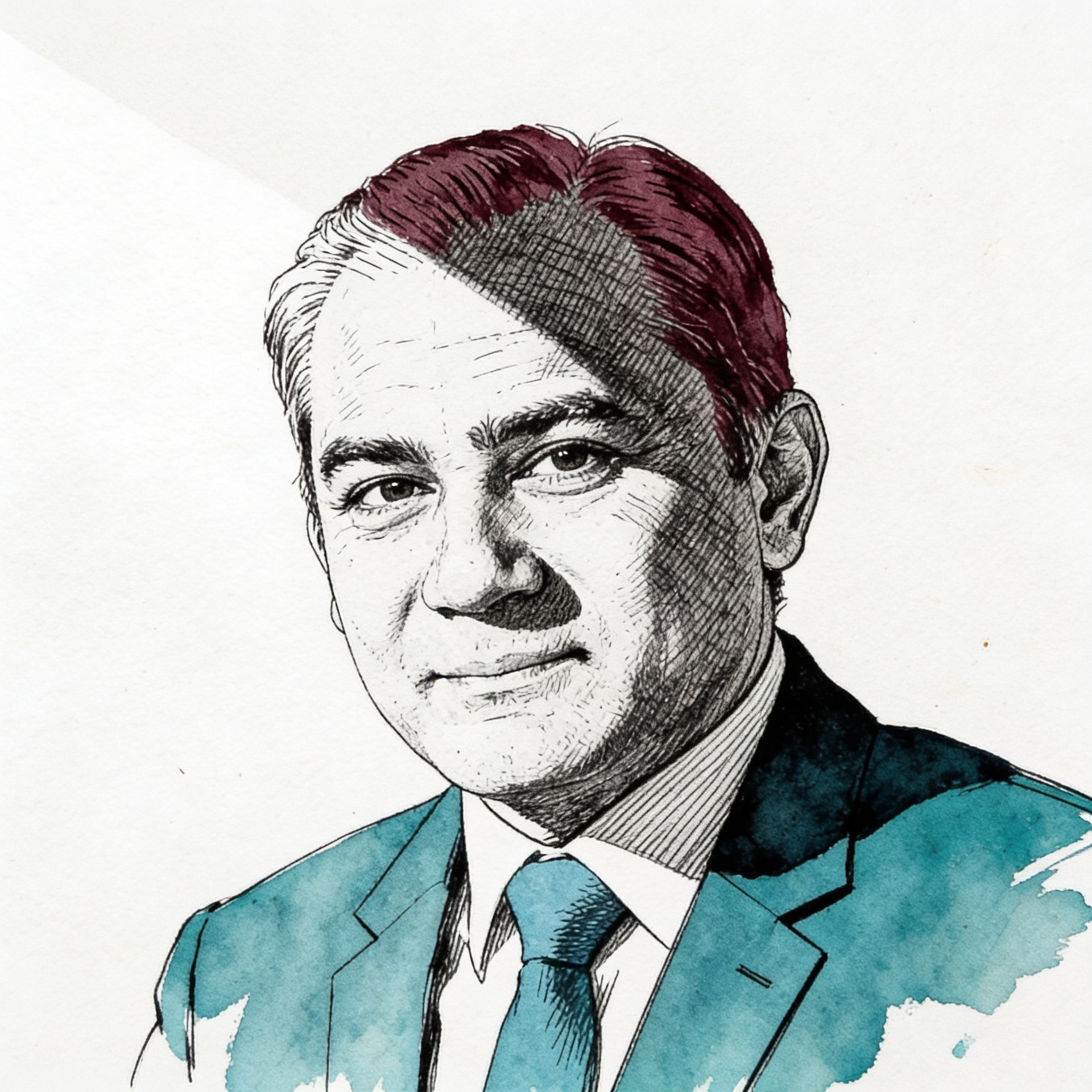
Mohsin Naqvi
Pakistan's Interior Minister; relay envoy between the US, Iran, and a Supreme Leader unseen since March.
Last refreshed: 11 June 2026 · Appears in 1 active topic
Is Naqvi's message reaching Khamenei, or is the IRGC deciding?
Timeline for Mohsin Naqvi
Visited Tehran for a second time in under a week to advance the mediation channel
Iran Conflict 2026: Trump halts strikes, Iran denies dealCarried dual civilian and military letters to Khamenei in Tehran on 6-7 June
Iran Conflict 2026: Iran's deal waits on a leader unseen since MarchTravelled to Tehran on 6-7 June carrying written messages from Sharif and Munir to Khamenei
Iran Conflict 2026: Pakistan's minister carries dual message to TehranMade second Tehran visit in a week as relay, not mediator, while Munir cancelled
Iran Conflict 2026: Rubio names Hormuz tolls a deal-killerNaqvi flies to Tehran with corrective points
Iran Conflict 2026Background
Mohsin Naqvi is Pakistan's Interior Minister, in post since February 2024. A media executive turned politician, he previously served as caretaker Chief Minister of Punjab and is a member of the Pakistan Peoples Party. His portfolio is domestic security, but he has taken on an ad hoc diplomatic role in the Iran-US relay channel since May 2026, operating alongside the foreign ministry rather than through it.
His first documented relay visit was 18-19 May 2026, when he flew to Tehran and met President Masoud Pezeshkian, Majlis Speaker Mohammad Bagher Ghalibaf, and Interior Minister Eskandar Momeni. Iran transmitted a response to the latest US proposal via Islamabad; foreign ministry spokesman Esmaeil Baghaei confirmed on 20 May that The Channel had relayed 'corrective points' to Washington. On 6-7 June 2026, Naqvi made a second Tehran trip, this time carrying written messages from both Prime Minister Shehbaz Sharif and Field Marshal Asim Munir directly to Supreme Leader Mojtaba Khamenei. He met Foreign Minister Abbas Araghchi on the morning of 7 June and coordinated with Qatar, Turkey, and Egypt as a collective mediation channel.
The 6-7 June visit carries particular weight because Khamenei has not appeared publicly since early March; the MOU The Channel is trying to close reportedly awaits his decision. Analysts at the Stimson Center and The Soufan Center note that IRGC commanders now hold day-to-day war authority, raising the question of whether Naqvi's letters are reaching a genuine decision-maker or a figurehead while the IRGC decides. Naqvi's dual civilian-military messages (from the PM and the Army Chief) may be a deliberate attempt to address both the civilian and military power centres simultaneously.
Who is Mohsin Naqvi and why did he go to Tehran?
What did Pakistan's Naqvi accomplish in Tehran?
Why is Pakistan mediating between the US and Iran?
What messages did Pakistan's minister deliver to Iran in June 2026?
Why is Pakistan involved in the Iran-US negotiations?



Written with AI from Lowdown's published reporting. Not individually reviewed by an editor. Updated 11 June 2026. Editorial standards.