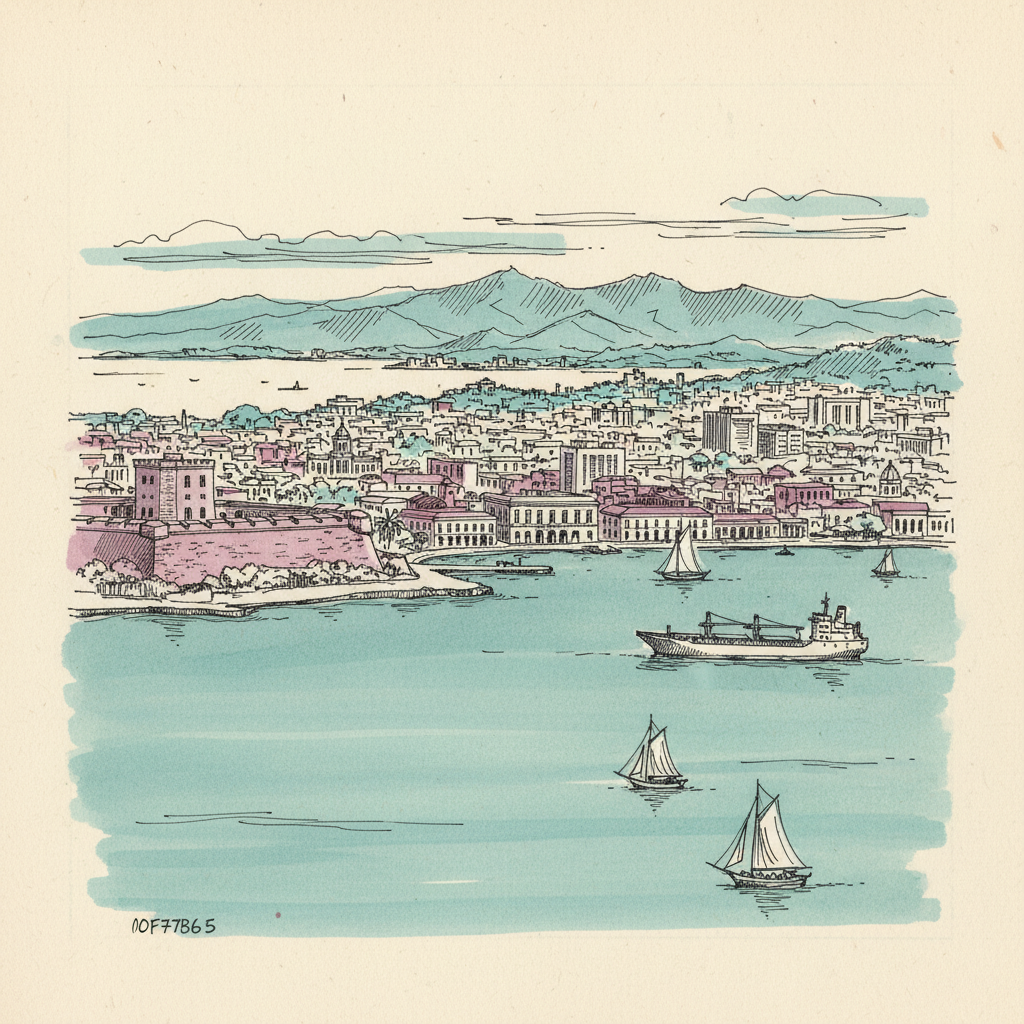
Santiago de Cuba
Cuba's second city and eastern energy hub; two provinces worst-hit by the 2026 grid fragmentation.
Santiago de Cuba has been severed from Cuba's central power grid since the 14 May 2026 fragmentation, and was named again on 16 July among the provinces hit hardest by a 64 per cent rise in bottled-gas prices.
Last refreshed: 26 July 2026 · Appears in 1 active topic
Why is Santiago de Cuba harder hit by blackouts than Havana?
Timeline for Santiago de Cuba
Mentioned in: Felton fault splits Cuba's east again
Cuba DispatchCuban court jails two UNPACU protest women
Cuba DispatchMentioned in: Cuba blames blockade for 64% gas rise
Cuba DispatchMentioned in: OCDH logs 1,949 acts of repression
Cuba DispatchBackground
Santiago de Cuba is Cuba's second-largest city and the capital of the Eastern Province of the same name, with a population of roughly 430,000. It is the country's primary eastern port and the site of the Moncada Barracks, attacked in 1953 in the action that launched the Castro revolution; Fidel Castro was Born there. The city hosts the Carnaval de Santiago, one of Latin America's largest festivals, and its proximity to Haiti and Jamaica makes it a departure point for irregular maritime migration.
The UN Resident Coordinator's April 2026 assessment placed Santiago among eight provinces with acute, persistent humanitarian need; its economic underdevelopment relative to Havana leaves it structurally more exposed than the capital whenever national systems come under strain, whether electricity supply, fuel, or state repression.
Santiago stays severed from the grid
Santiago de Cuba sits at the centre of the island's eastern energy shortfall. Its CTE Antonio Maceo thermoelectric plant had units out of service in April, contributing to a forecast 1,732 MW evening-peak blackout. When The National grid fragmented on 14 May, Santiago was severed from central dispatch alongside Granma and Guantánamo; satellite analysis of nighttime light later confirmed it as one of the two worst-affected provinces on the island.
Havana's dispatch priority is the structural cause: between 19 and 23 April the capital went four days without blackouts once Russian crude reached its power stations, while Santiago continued losing power for up to 24 hours a day under a Havana-first rule that has held for over 30 years. On 16 July the province was again named among those absorbing a 64 per cent rise in bottled cooking-gas prices.
Santiago hosts a landmark protest trial
Santiago de Cuba is the site of the first documented criminal prosecution of 2026's blackout protesters. On 5 June, prosecutors at the Municipal Court of Palma Soriano sought ten years for Mileidis Maceo Quiñones and five to eight years for two co-defendants, Edilkis León Giraudis and Oneida Quiñones, over a November 2024 pot-banging protest against outages. All three are UNPACU members; two are former Ladies in White, and all had spent over 18 months in pretrial detention by the time of the hearing.
The Municipal Court of Palma Soriano had been due to hand down sentence on 1 July; seventeen days on, Santiago's most closely watched dissent case still has no public verdict, leaving open the precedent it will set for other blackout-related prosecutions across the province.