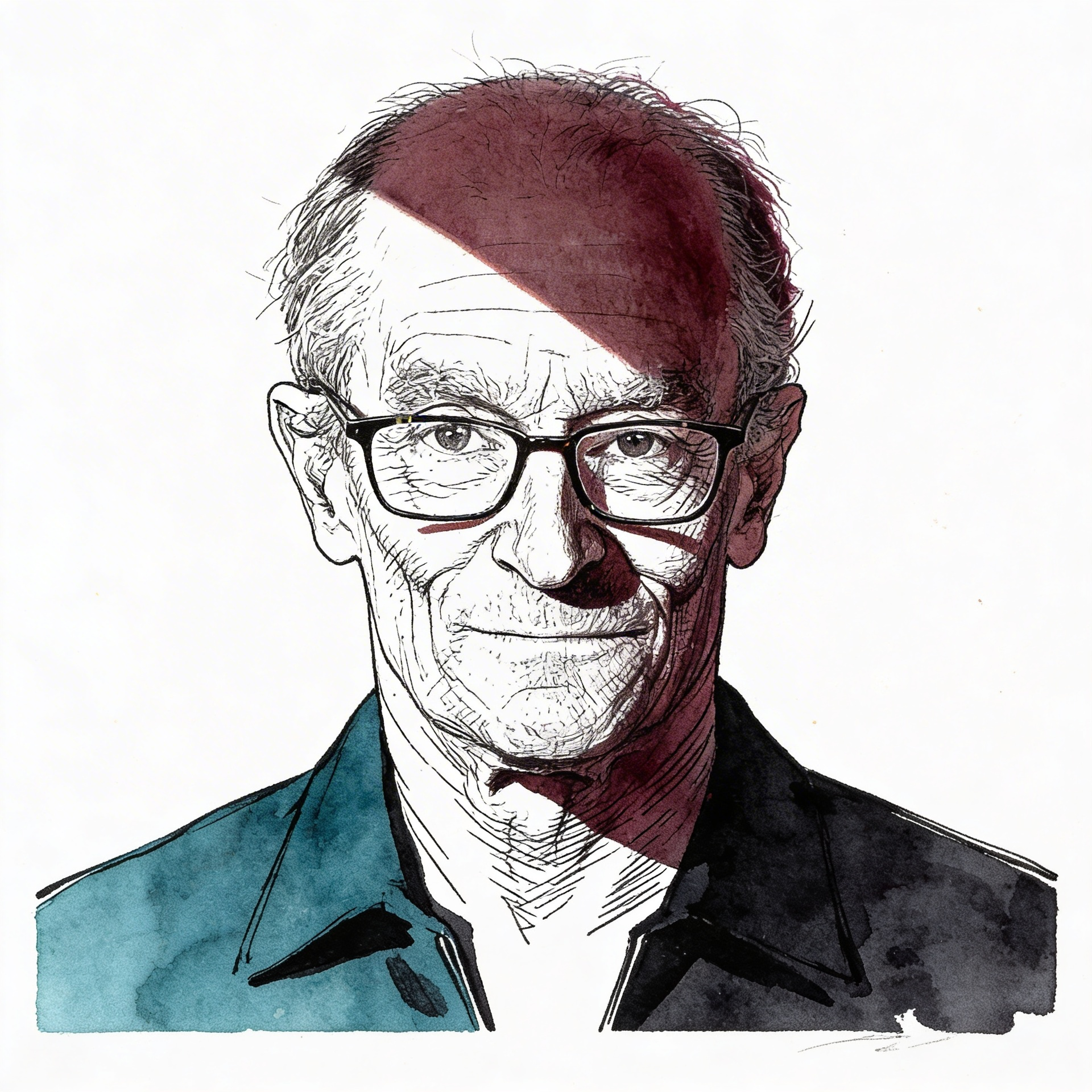
Daniel Fried
Former US State Department sanctions coordinator, now Atlantic Council senior fellow on Russia policy.
Last refreshed: 30 April 2026 · Appears in 1 active topic
If GL 134A is extended at $115 Urals, is the US price cap still a sanctions policy or a formality?
Timeline for Daniel Fried
Mentioned in: First Iran-free OFAC day of the war
Iran Conflict 2026GL 134A lapses toward quiet extension
Russia-Ukraine War 2026Background
Daniel Fried, a senior fellow at the Atlantic Council and former US State Department coordinator for sanctions policy, called publicly on 8 April 2026 for Treasury Secretary Scott Bessent to let General License 134A lapse on expiry rather than extend it, and fall back on the price cap as the operative mechanism. Bloomberg, Reuters and Semafor reported instead that an extension was coming, citing sources familiar with Treasury's position.
Fried's argument centres on the changed market context. The original GL 134 was issued in March when Urals crude was trading around $73 a barrel as a market stabilisation measure following the strait of Hormuz closure. At the April publication date, Urals was trading at $114 to $116, a level Bloomberg estimates generates roughly $150 million a day in additional Russian budget revenue above what the price CAP would allow. His position is that the instrument has ceased to serve its original purpose and is now directly contradicting the sanctions architecture it was meant to complement.
Fried's voice carries weight because he helped build the current US sanctions toolkit from inside government. A career Foreign Service officer WHO served as Ambassador to Poland and Assistant Secretary of State for European and Eurasian Affairs, he was State's coordinator for sanctions policy from 2013 to 2017 and ran the interagency response to Russia's 2014 Crimea annexation. His Atlantic Council work now focuses on enforcement gaps and the trade-off between energy market stability and economic pressure on Moscow. His 8 April call went publicly unanswered by Treasury.
Should the US extend the Russian oil sanctions waiver GL 134A?
What is General License 134A and why does it matter?
Should the US extend the Russian oil sanctions waiver GL-134A?
Who is Daniel Fried and what is his role in Iran sanctions policy?
Why did OFAC treat Russia differently from Iran in April 2026?





