Skip to content
Welcome, thoughtbot's Giant Robots listeners!Start here
US Midterms 2026
24SEP

Letlow routs Fleming by 13.6 points

2 min read
11:45UTC

Julia Letlow beat John Fleming 56.8% to 43.2% in Louisiana's Republican Senate runoff on 27 June, a margin far wider than late polling had suggested.

PoliticsDeveloping
Key takeaway

In Louisiana, unlike Texas, Trump's endorsement and the big money pulled together and produced a rout.

Julia Letlow beat John Fleming 56.8% to 43.2% in Louisiana's Republican Senate runoff on Saturday 27 June, a 13.6-point margin far wider than late polling had suggested⁠1. The runoff had been set for 27 June after Senator Bill Cassidy finished third in the primary. A mid-June Rigamer survey had shown Letlow's 15-point lead collapse to two points; the result buried that reading. Turnout fell 21% from the May primary, to 316,538 ballots⁠2.

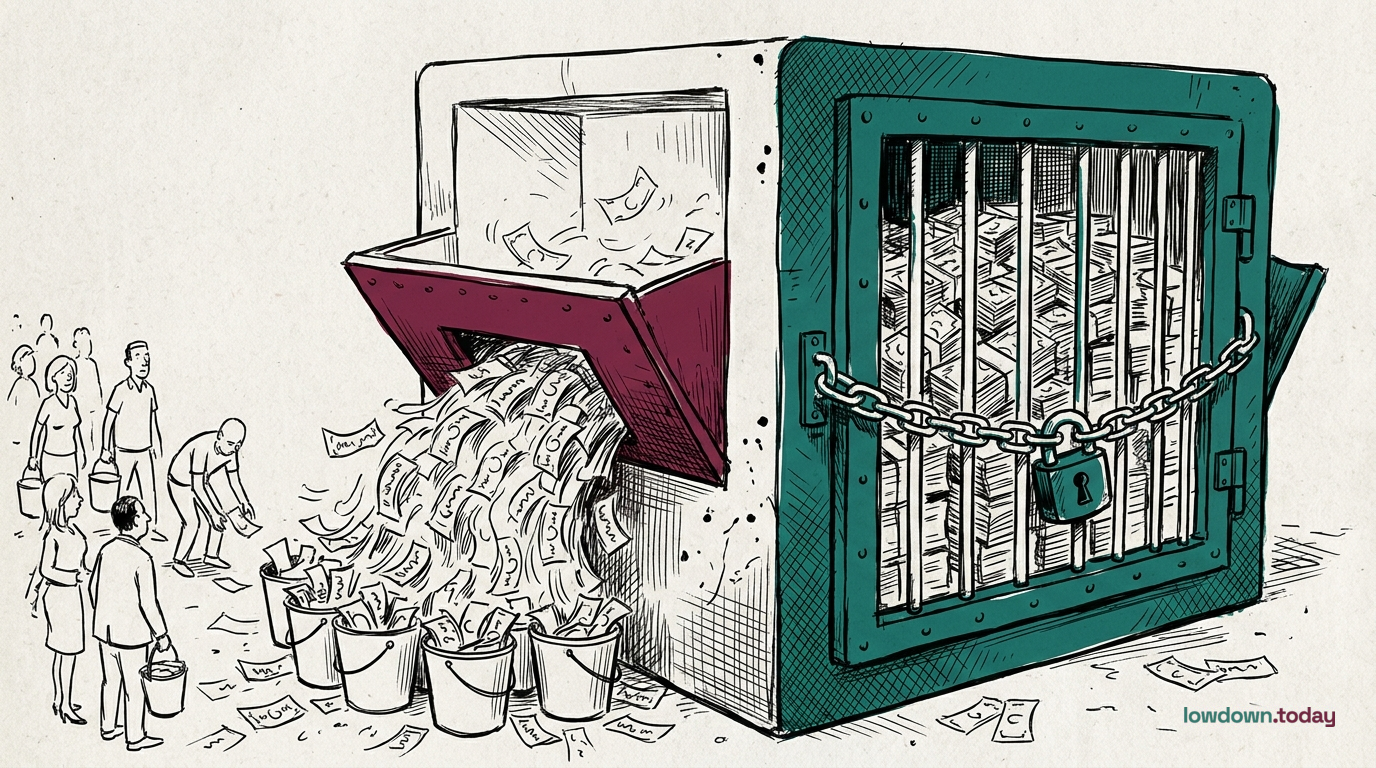
The money ran almost entirely one way. The Accountability Project Inc, a super PAC aligned with Governor Jeff Landry, reported $5.9m in independent expenditures against Fleming; Trump's own Securing American Greatness super PAC added $1m⁠3. Super PACs can spend unlimited sums on a race but are barred from coordinating with the candidate they support. Fleming drew essentially no outside support. Jamie Davis took the Democratic nomination 80-20 and advances to the general election.

Set the result against Texas. There a nine-to-one spending advantage for John Cornyn collapsed because Trump had endorsed Ken Paxton, who won by 28 points. In Louisiana the endorsement and the money pointed the same way, and Fleming lost by more than 13 points. Across the cycle's two Senate primaries a Trump endorsement has predicted the winner better than cash has in either direction.

Two contests make a pattern, not a law, and this one cannot separate the endorsement from the spending. What Louisiana shows cleanly is money amplifying an endorsement it agrees with, rather than substituting for one.

Deep Analysis

In plain English

Julia Letlow easily won the Republican runoff for Louisiana's open Senate seat, beating John Fleming by more than 13 points, a much bigger margin than polls just two weeks earlier had shown. Two things happened at once: fewer people voted than in the first round in May, and a pro-Letlow group spent nearly $6m attacking Fleming in the final stretch while he had no outside money helping him at all. Both favoured Letlow, and together they produced a landslide where the polls had shown a toss-up.

Deep Analysis
Root Causes

Turnout fell 21% from May's primary to June's runoff, a drop that concentrates the electorate around its highest-propensity, most contactable voters. Low-turnout runoffs reward whichever campaign can repeatedly reach that shrunken pool, which is exactly what a well-funded advertising and mail operation is built to do.

Fleming entered the runoff with almost no outside spending, while the Accountability Project committed $5.9m against him. That asymmetry compounds, rather than simply adds to, a turnout environment already tilted toward whoever can afford to keep reaching the remaining voters.

What could happen next?
  • Consequence

    Louisiana's Senate seat, already expected to stay Republican after Cassidy's primary defeat, now heads to November with a nominee who has shown she can absorb a large late-money assault without her lead collapsing.

First Reported In

Update #11 · Money uncapped, ballot rules untouched

NBC News· 1 Jul 2026
Read original →
Different Perspectives
University of Florida Election Lab
The lab, run by Michael McDonald, estimates about 124.3 million ballots, a raw midterm record, and turnout of about 49.4% of eligible voters, second to 2018's 50.05%. The raw record reflects population growth more than a record rate, so the late count is working through a near-2018 electorate.
Thune's critics on the right, including Senator Ron Johnson
Ron Johnson backed the failed 31-15 motion to delay Thune's re-election, after activists such as Mike Cernovich blamed the leader for the defeat. Their complaint is that Republicans could have passed the SAVE Act; in January it meets a Democratic Senate instead.
Senator John Thune
Senator John Thune
Thune was re-elected Senate Republican leader by acclamation on 10 November after a motion to delay failed 31-15. He kept the filibuster that stopped the SAVE Act, the choice his critics on the right blame for the defeat.
House Republicans under Jim Jordan
House Republicans elected Jordan minority leader by 106 votes to 73 over Steve Scalise on 10 November, after Speaker Mike Johnson declined to run. They replaced the leadership that lost the majority, while Senate Republicans kept theirs.
Donald Trump
Donald Trump
Trump asked on Truth Social on 9 November whether anybody believed the election "was honest" and blamed the machines, having told The New York Times on polling night he would accept the results. No Republican campaign had sued over a 2026 result by 10 November, so the claim has no case behind it.
Judge David O. Carter
Carter closed the Justice Department's suit over about 20,000 California mail ballots on 10 November after the department withdrew it, writing that the suit "attempted to disrupt an ongoing election". The closure leaves the department with no court order touching a 2026 California ballot.

Written with AI from Lowdown's published reporting. Not individually reviewed by an editor. Editorial standards.
