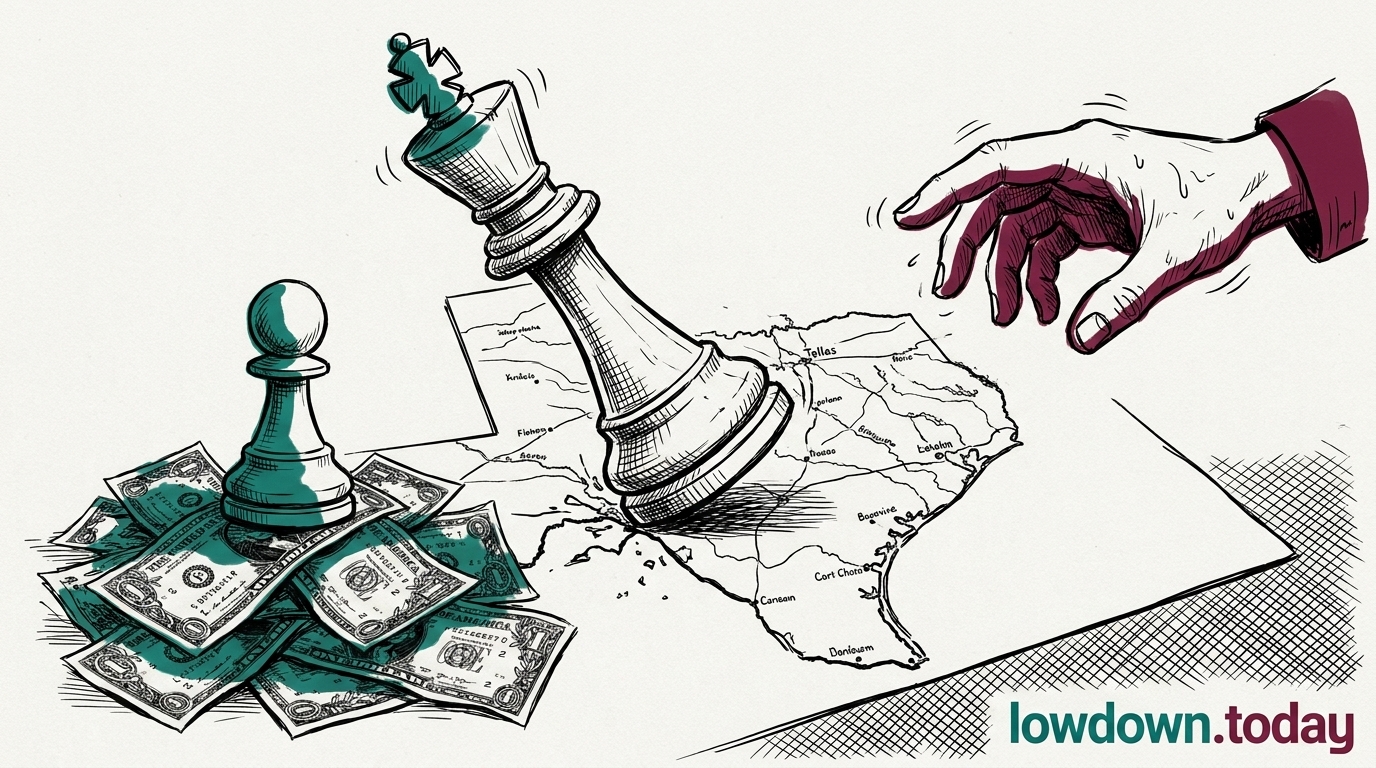
Ken Paxton beat John Cornyn on Tuesday 26 May with 63.8% of roughly 1.38 million Republican runoff votes, becoming the nominee for the Texas Senate seat Cornyn has held since 200312. Donald Trump endorsed Paxton in the final week; pro-Cornyn forces had outspent the challenger roughly nine to one across a race both sides combined spent an estimated $120 million on, yet Paxton won by 28 points. Cornyn becomes the first Texas senator since 1970 to lose a primary to a fellow Republican3.
The institutional paradox lands on the National Republican Senatorial Committee (NRSC), the body that recruits and funds Republican Senate candidates. During the primary, the NRSC called Paxton's conduct "repulsive and disgusting"4. It must now fund and defend Paxton's November seat against Democratic state representative James Talarico, in a race both leading forecasters moved to Leans Republican by the following day. Republicans enter November defending a three-seat Senate margin, meaning Texas has converted a safe hold into a seat requiring active defence.
The result extends a pattern from Louisiana: Bill Cassidy, who voted to convict Trump at his impeachment trial, lost his primary renomination the fortnight before, becoming the first sitting senator to lose a primary in fourteen years. Two establishment Republican senators ousted in less than a fortnight, each backed by the NRSC, each outspent their opponents. A nine-to-one financial advantage does not protect an establishment incumbent against a late presidential endorsement in a low-turnout runoff electorate that skews toward Trump's most motivated supporters. Fellowship PAC, the crypto-aligned independent expenditure committee that had backed Paxton before its ad was scrubbed under Republican leadership pressure, saw this dynamic coming; Paxton needed no outside help to win the runoff decisively.



