Skip to content
Welcome, thoughtbot's Giant Robots listeners!Start here
UK Local Elections 2026
23AUG

Marra's MSPs vote for right to decide

4 min read
19:09UTC

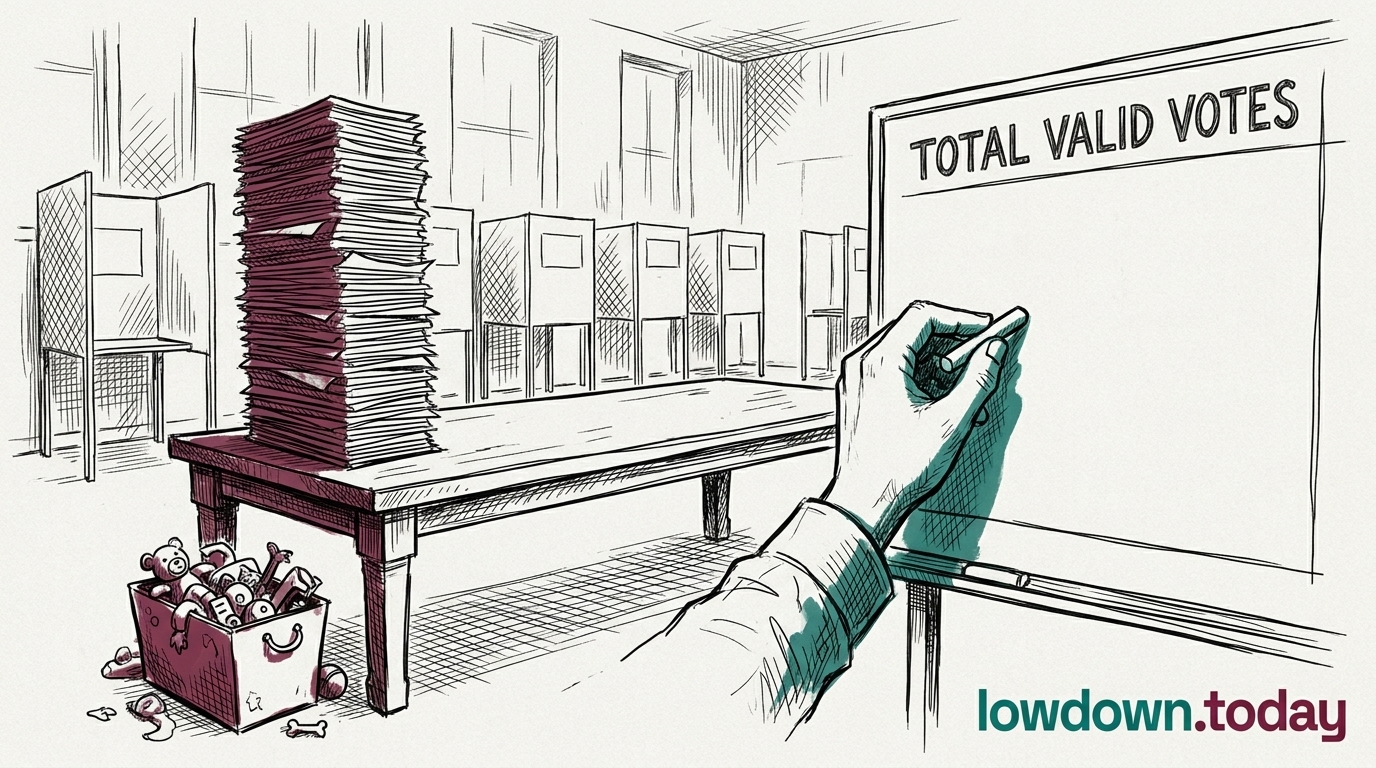
Three days after Michael Marra won the Scottish Labour leadership, all 17 of his MSPs backed John Swinney's motion on Scotland's right to decide its own future.

PoliticsAssessed
Key takeaway

Scottish Labour backed Scotland's right to decide without backing a referendum.

Michael Marra won the Scottish Labour leadership on Saturday 19 September with 4,266 of 6,751 votes, beating Joe Fagan, who took the remaining 2,485⁠1. "Scots know what we are against. They can't tell you what we are for," he said in his acceptance speech.

On Tuesday 22 September all 17 Labour members of the Scottish Parliament (MSPs) voted for First Minister John Swinney's motion that "Scotland is a nation that has a right to decide its own future"⁠2. Labour first wrote its own text into it: Marra's amendment, making child poverty "an immediate national priority" and recommitting to the 2030 target in the Child Poverty (Scotland) Act 2017, passed 91 to 12. The motion as amended then passed 84 to 18, with the Scottish National Party (SNP), Labour and the Scottish Greens for, and the Scottish Conservatives and Scottish Liberal Democrats against. Reform UK's 17 MSPs voted in none of the five divisions, and the amendment tabled in Malcolm Offord's name was spoken to but never moved⁠3.

The phrase "right to decide" echoes the Claim of Right that Scottish Labour has signed up to before, so the vote does not commit Marra's party to an independence referendum. Andy Burnham has already said he will refuse a Section 30 order, the transfer of power Holyrood needs to hold one lawfully.

At council level the SNP lost ground and gained it back. In City of Edinburgh Council by-elections held on 3 September, Labour's Ruth Elliott won Southside/Newington with 2,153 votes and The Greens' Lorenzo Martinico won Portobello/Craigmillar with 1,781⁠4; The Scotsman reports both seats were taken from the SNP. On 17 September the SNP's Leigh Payne gained Avondale and Stonehouse on South Lanarkshire Council from an independent, with first preferences of SNP 27.6%, Labour 20.0% and Reform UK 19.6%⁠5.

Deep Analysis

In plain English

Scotland has its own Parliament at Holyrood, which runs health, schools and much else. Big constitutional questions, including whether Scotland can leave the UK, are kept by the UK Parliament at Westminster. The Scottish Labour Party, part of UK Labour, opposes independence. Its new leader, Michael Marra, still had his members vote for a motion by John Swinney, the Scottish National Party First Minister, saying Scotland can decide its own future. The motion changes no law. A new independence referendum would still need permission from the UK Government, which Labour runs and which has said no.

Deep Analysis
Root Causes

The Scotland Act 1998 reserves the Union of the Kingdoms of Scotland and England to Westminster. Any binding referendum therefore needs a Section 30 order from the UK Government, which a Holyrood motion cannot compel.

Scottish Labour needs votes from people who support independence or are open to it, so it avoids voting against Scotland's right to choose. Voting for a declaratory motion costs it little while Westminster holds the legal key.

Reform UK and Labour each hold 17 seats. Labour's vote with the SNP separates it from the other unionist parties at the moment Reform is competing for the same pro-Union voters.

What could happen next?
  • Consequence

    The SNP enters its October conference able to cite a Holyrood resolution backed by a unionist party, while Labour can point to its own amendment as the reason it voted.

    Short term · Assessed
  • Risk

    Scottish Conservatives and Reform UK can now campaign as the only parties that did not vote for Swinney's text, competing for pro-Union voters Labour once held.

    Medium term · Suggested
  • Meaning

    Marra's first parliamentary act tied the party's identity to child poverty rather than to the constitution.

    Short term · Suggested
First Reported In

Update #18 · Legal advice halts England's council mergers

Aberdeen & Grampian Chamber of Commerce (via energy-pedia)· 7 Oct 2026
Read original →
Different Perspectives
Lancashire County Council
Lancashire filed in the Administrative Court before the 16 October limit, and its full council called for a legally binding referendum before any reorganisation. Ministers withdrew the Lancashire decision on 29 October, so the Reform-run county council keeps its current structure for now.
Kent County Council
Kent County Council
Kent announced judicial review proceedings before the 16 October limit against splitting Kent and Medway into four unitary councils. Ministers withdrew the Kent and Medway decision on 29 October, so the Reform-run county council keeps its current structure for now.
Conservative Party / Donald Walmsley
Walmsley, an East Sussex county councillor, left Reform UK in November and joined the Conservatives, citing ITV's undercover footage of Reform councillors and the leadership's response. His move came as the Conservatives gained four council seats from 22 October to 12 November and lost none.
UK Government / Jim McMahon (MHCLG) and Lord Wilson of Sedgefield
MHCLG said on 29 October it is "minded to" create unitary councils in five English areas from 2029, and McMahon argues no area will want two tiers back once they exist. In the Lords on 2 November, Lord Wilson refused to put a deadline for automatic registration into the Representation of the People Bill.
Huw Irranca-Davies, Llywydd of the Senedd
Irranca-Davies ruled on 10 November that Joe Martin's request for a statement on the "demographic replacement of white British people" was discriminatory and offensive. Martin will not be called to speak until he apologises to the chamber, and Reform's free-speech motion of 18 November cannot overturn the ruling.
Reform UK / Nigel Farage and Helen Jenner
Reform's 33 Members of the Senedd left their benches empty at Plenary on 17 November over the Llywydd's ruling on Joe Martin, which Farage called "ridiculous and outrageous". Welsh leader Helen Jenner says meaningful debate and scrutiny cannot happen until the Presiding Officer reverses his decision.

Written with AI from Lowdown's published reporting. Not individually reviewed by an editor. Editorial standards.
