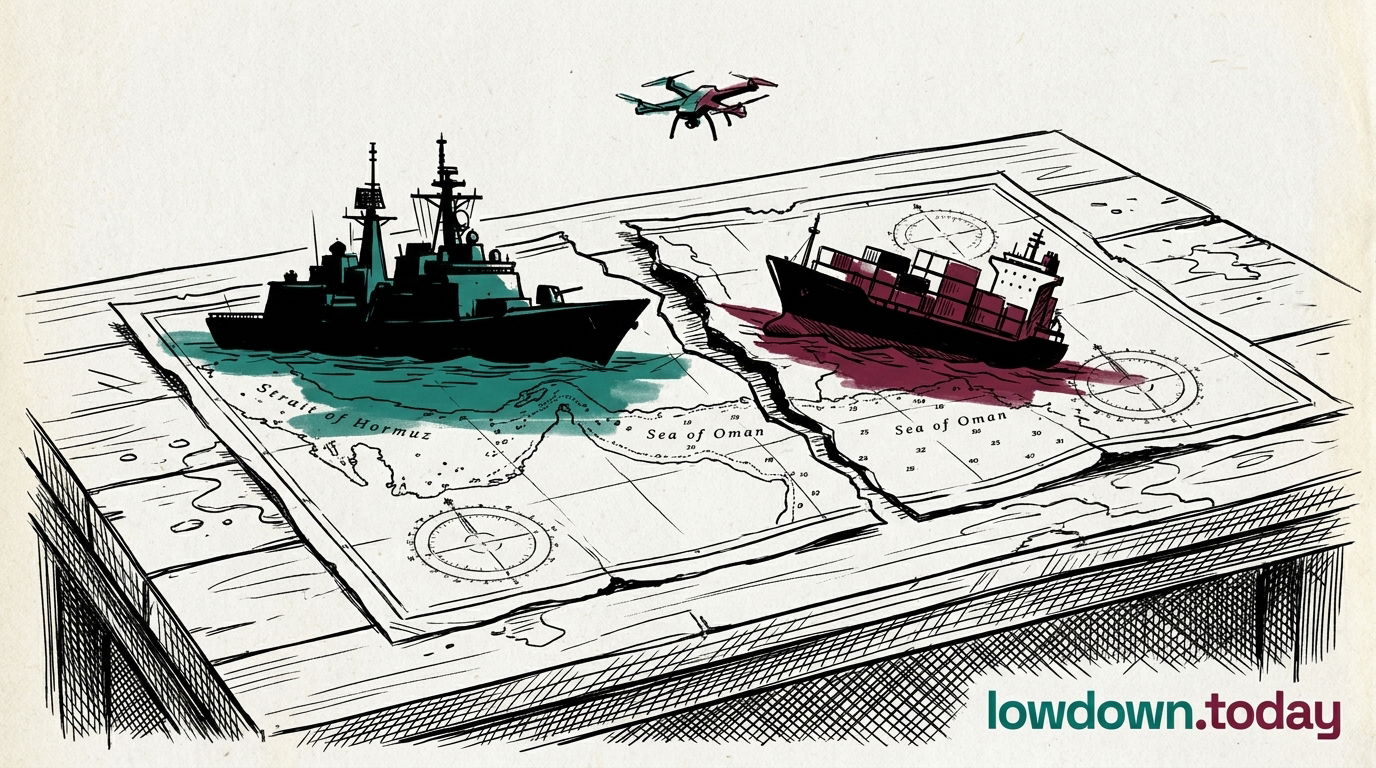
Vice President JD Vance leaves Washington for Islamabad on Tuesday, with the possibility of a second round of US-Iran indirect talks scheduled for the day the April ceasefire formally expires. Iran's foreign ministry stated that the country has 'no plans to reengage' negotiations 'for now', citing Washington's 'provocative actions'.
The first round collapsed at the Serena Hotel on 12 April, with Vance walking out after overnight negotiations and no next meeting scheduled. The channel Pakistan's Chief of Army Staff Asim Munir reopened during his Tehran visit, which secured Iran's in-principle concession on nuclear monitoring, is the only live mediation track. Islamabad has since offered to host multi-day talks aimed at a ceasefire extension via memorandum of understanding, rather than a signed agreement, which lowers the commitment cost on both capitals.
The mechanics of the Pakistan track are doing work the US-Iran bilateral cannot. Pakistani F-16s reinforced Saudi airspace while Islamabad mediated the US-Iran channel, embedding the mediator inside the regional air picture. Munir carried an agreed four-country monitoring framework out of Tehran last Wednesday; Pezeshkian and Khamenei have both signalled tolerance of Pakistani good offices even while hardening public rhetoric. Whether Tehran sends negotiators or lets the Tuesday departure pass unanswered will be the first readable signal of whether the rhetorical floor Iran set this week is negotiable.



