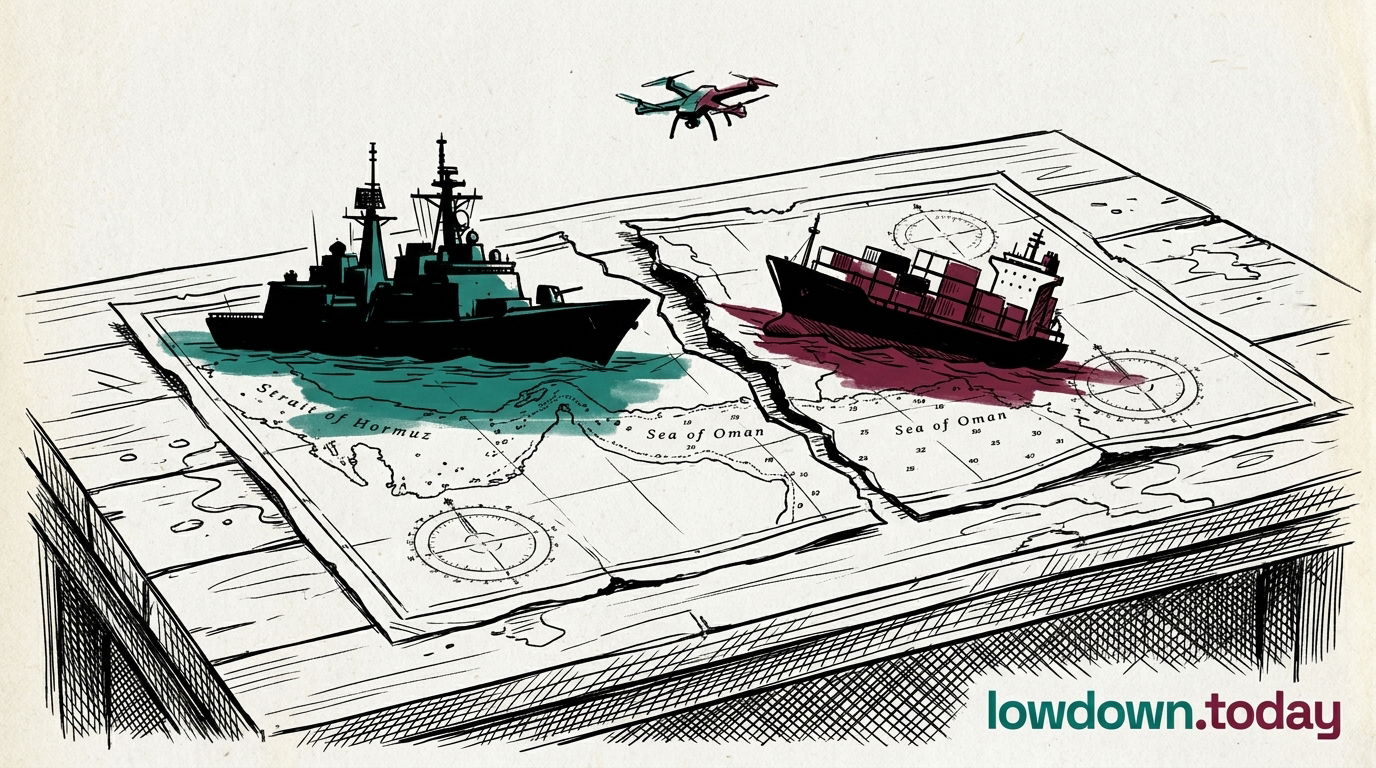
The US State Department published on state.gov the formal text Ten Day Cessation of Hostilities to Enable Peace Negotiations Between Israel and Lebanon this week, following 14 April talks. The document names the parties as the 'Government of Israel and Government of Lebanon' and declares the cessation 'brokered by the United States'. The two governments are scheduled for a second round of direct talks in Washington on Thursday, the first direct bilateral engagement in decades.
No equivalent Iran document exists. The Iran ceasefire, announced by Donald Trump through a Truth Social post at the start of this month, has produced no text on state.gov, whitehouse.gov, or the Federal Register after fifty-two days. The Federal Register's Iran-tagged documents feed has been empty since the start of last week. The Ten Day Cessation text and its handling of party identification, duration, and US brokerage role are exactly the template an Iran cessation would require.
The absence has now acquired structural consequences. Four unsigned deadlines now converge inside a fortnight. A UK-France-led coalition has been writing rules of engagement for the strait without US signatures at the table, leaving American vessels to operate under a document they did not draft. European Protection and Indemnity (P&I) underwriters are now pricing the Lebanon track on paper and the Iran track on Trump's remarks, widening the premium spread between the two theatres.
The counter-argument that unsigned pressure preserves flexibility carried weight through weeks two and three. With a Lebanon cessation text drafted the same week and five domestic-energy PDs signed the day before Iran's expiry, that flexibility argument is now what the absence is being used to produce, not what the absence reveals. The State Department's publication architecture is the neutral witness: it can produce Iran cessation paper, and it has not.



