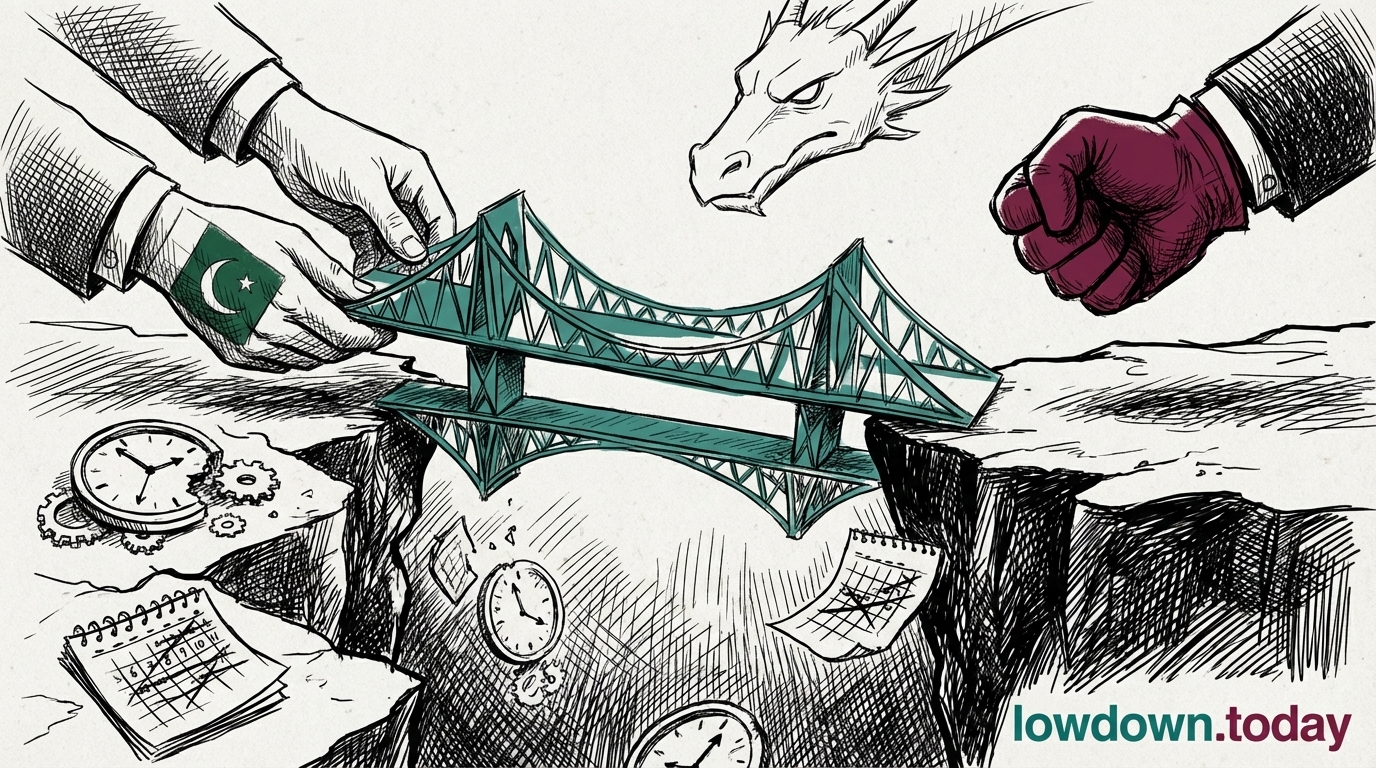
Iraqi Prime Minister Ali al-Zaidi carried a United States ceasefire proposal to Tehran after meeting Donald Trump at The White House earlier in July, The New York Times reported, putting it to President Masoud Pezeshkian, parliament speaker Mohammad Bagher Ghalibaf and Foreign Minister Abbas Araghchi 1. Iranian officials reportedly told him they had no interest in a temporary deal that left the final status of the Strait of Hormuz unsettled 2. Iraqi authorities called the account groundless on 24 July, and an Iranian official called it completely misleading the same day 3.
Baghdad has spent this war trying to avoid being a party to it, with American aircraft overhead and Iranian-aligned militias inside its own security forces. Carrying Washington's paper to Tehran would put the government on one side of a fight it has worked to sit outside, which gives Iraq a motive to deny the trip whether or not it happened. Tehran has its own reason: receiving an American proposal, and rejecting it over Hormuz, is a position it would rather announce on its own terms.
Two rival ceasefire texts already sit unanswered from 22 July, one from Qatar, Egypt, Pakistan and Oman and a separate Iranian draft sent to Washington . Araghchi also opened an Oman-brokered track on Hormuz in Muscat earlier in the month . None of those texts, nor the trip al-Zaidi is said to have made, has produced a signed instrument.
Neither denial settles whether al-Zaidi sat down with Pezeshkian at all. A government can truthfully deny carrying a formal proposal while having conveyed a message, and the gap between those two things is where mediation usually lives. The reported sticking point, Hormuz's final status, matches Iran's public position across every other channel this month, which is the detail in the account hardest to dismiss.





